Categories
Aspire Culture Blog Campaigns Culture Highlights Women's Adventure Scholarship Women's Adventure Scholarship Blogs

1st Annual Women’s Adventure Scholarship Winner: Anna Brown

1st Annual Women’s Adventure Scholarship Winner: Anna Brown

With growing anticipation and excitement for our Second Annual Women’s Adventure Scholarship for the 2021 season, we wanted to highlight the incredible women who were chosen from our first scholarship round.  With over 250 women sharing their insights, experiences and motivations as runners, it was deeply humbling and inspiring to read the applications for women all across the globe who have found a great sense of meaning and connection to lacing up their runners and hitting the trails!

One of three Women’s Adventure Scholarship winners was awarded to Anna Brown from Spokane, Washington. Anna joined us for four big mountain days exploring the trails leading to the magical backcountry village of Stehekin. 
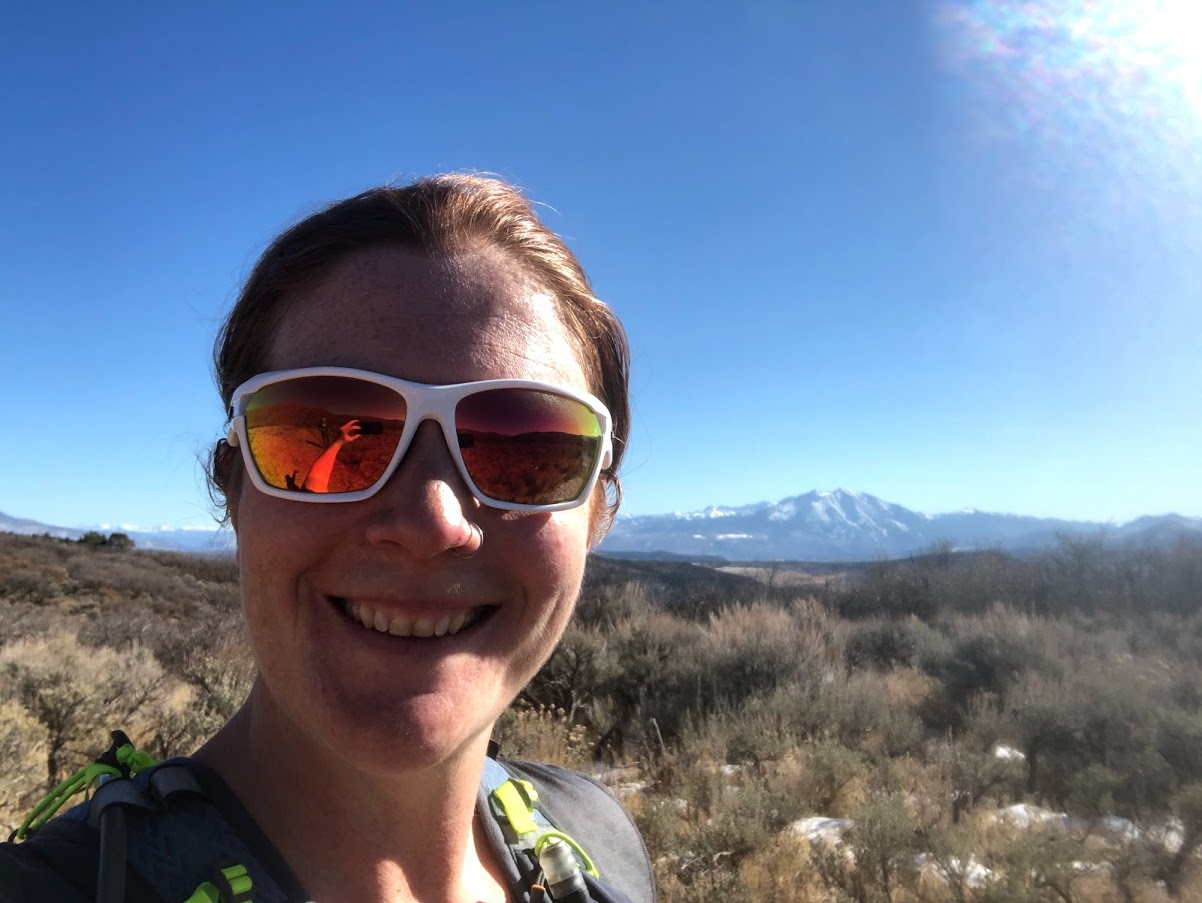
For Anna, what started as a negative self-image to bring her to running, blossomed into something so much more. 

“I love to run because it continually allows me to rediscover who I am. I used to joke, “I will only run if something ugly is chasing me.” After the birth of my daughter in 2007, that something “ugly” was my own self-image. I started running almost as a way to punish myself for not living up to the perfect societal ideal of a woman. However, somewhere along the way, running allowed me to accept myself for who I am, and I no longer use running as a countermeasure for habits that were more harmful than good. Running allows me to be me, and it allows me to discover who I am as I age and change. I have run marathons, trail runs, half iron-mans, 5Ks, 10ks, and more. I have felt amazing after a run, and I have cried and crawled my way to the finish line. I don’t finish first, I often finish last, but I finish. And that is more than enough – just like me. I run because running has taught me so much about living”

With women facing many fears, challenges and obstacles to get out and explore wild places, Anna touches on the fear of the unknown. 

“I think one thing that contributes to women fearing wilderness spaces is the unknown. Many of us are raised to be apprehensive of what we don’t know, and we are taught to protect ourselves from what we can’t control. In spaces continually inhabited by others, we have social norms we can follow to guide our way through situations. If we were not exposed to the wilderness, especially the backcountry, I think many women are unsure of how to navigate it. It’s peculiar if you think about it. In many ways, the rules of nature are more general and simpler than the ones we follow in social situations with other human beings, yet many women are uncomfortable with wild spaces. Exposure to the backcountry, to those pristine and alone places, is key in changing our stories and in empowering us to take back what I truly believe is natural and needed – our connection to the earth in a very real and intimate way. To be present and alone in nature is not the same as being with others in the wilds of society. Crowded city spaces often create isolation, but the vast space of the wilds can heal and bond us all together. This is true for me. I think it can be true for others.”

Throughout Anna’s life she has continued to inspire others with the power of consistency and a persistent passion to get out on the trails and show up! 

This may sound trite, but honestly, I am most proud that I am still running. As I have gotten older, my body has been more prone to injury. I have found myself continually challenged by not only injury, but demands from life in general – family, work, and so on. I have had to give myself the grace and space to put running on hold for days, weeks, and even a month or two. I am not very competitive with others when it comes to running, but with myself, I am relentless. I used to be so irritated that I couldn’t break my personal records, but I have come to learn that it is ok. It is ok to allow my body and my mind to take care of me. Running supports me in these endeavors; I used to think my body and mind needed to support my running, but that is not really true. Running is therapy – physical and mental. And when I am 80+, I hope that my greatest running accomplishment will yet be that I am still running.
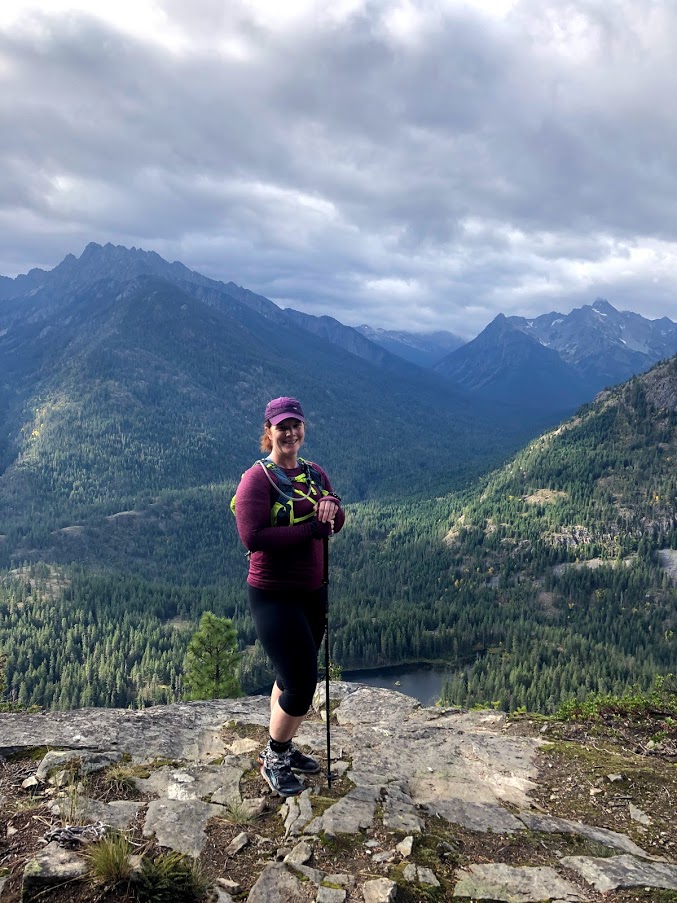
With Anna’s inspiration, insight and experience we share her final essay submission from our Adventure Scholarship. 

Whether it is through social conditioning that is deeply rooted in the norms of our culture or whether it is perpetuated by the generational rituals of our families of origin, we learn from a young age our “place” in society. It’s a way for our collective brains to categorize individuals as part of our tribe and to “other” those who are not; evolutionarily speaking, this is how societies survived famines, wars, religious persecution, etc.  My earliest memories of being “othered,” was in kindergarten. My family lived on the edge of the wealthiest school district in the city. We were working class. In addition, my mother was a large woman and did not look like the other moms. My fellow 6-year-olds would laugh at our old, ugly, yet reliable car, my gently used clothing, my made-with-love sack lunches, and my beautifully fat mother. It broke my young heart. I would experience this “othering” continually as a child, young adult, and even now – snide remarks on my weight, on my lack of wealth, on my family name, and on being a woman. This is part of the human condition; the price we pay for living in societal groups, but I believe women experience some of the harshest forms of criticism; as such, we fade away, break, or develop unbending backbones. Personally, I am the latter; I learned how to be tough, independent, and resilient.

I once had a yoga teacher say to me that the goal of yoga was not to be perfect but to breathe ourselves through the stuck spaces around our lives so that we could reveal our tender hearts hidden under layers of protective armor and to finally make peace with who we are. For me, an overheated studio with 50 strangers is not the place for me to find this type of vulnerable self-discovery; I would rather embark on this endeavor in the wilds of the pacific northwest.  Here is the thing about being tough, it serves a much-needed purpose in the moment of surviving, but it does little for building true strength and creating the vital connection we all need to live with meaning. In my experience, the most empowering thing I have done as a woman is to be vulnerable, to lay my heart bare for others, and to reach for the light of human connection. I could not have learned how to do this with others, if the mountain trail hadn’t first taught me how to do it with myself. 

There is a raw honesty that one finds among the dusty July mountain paths of Eastern Washington – a truth that is realized once you force yourself to breathe in deeply the smell of hot pine needles. There is a feeling of connectedness and belonging that one can only get from standing alone on an alpine mountain top in October while looking at the newly turned colors of the larch blazing like wildfire below. Getting to these places requires something more than physical strength and sheer will. It requires the ability to find those supposed human weaknesses that many women have buried deeply – vulnerability, reliance on others, and ultimately, self-love. I have experienced the depth and breadth of human emotion on the mountain trail; I once screamed until my throat was sore because of sheer panic at basecamp in the Pasayten Wilderness; I have cried the heaving sobs of grief on the hard packed earth of an ultra-race course on the high-desert outside of Ellensburg; I have shared in the side-splitting laughter that comes after sheer exhaustion with other women under the shadow of the Sawtooth range; and, I have stood in stunning awe looking down at the mist shrouded valleys on a mountaintop in the North Cascades. For me, the most empowering experience I have had and continue to have in nature is giving in to my need to be connected to this earth and others; I have to breathe into those spaces of vulnerability, and in doing so, I am learning to live a life of meaning and not just survival.  
Categories
Assorted Blog courses Culture Highlights Preparation Runner Profile Runner Profile Runner Profiles Stage Trip Styles update WL

Runner Profile: Mario Scalcucci

“Who goes on Aspire trips?”
It’s a question we hear often. The truth is, the runners who show up for our trips come from diverse backgrounds and bring a wide range of running and mountain experience with them to the trails.
We all relate to mountain spaces in unique and personal ways. We are excited to add some depth to our response to the “Who?” question with a series of Aspire trail runner profiles. We enjoyed hitting the dirt and building friendships with these runners on our trips, and we think you’ll enjoy hearing their stories!

Name: Mario Scalcucci Age: 33 Hometown: Westfield, Indiana

Which Aspire Trip(s) have you participated in?

Wonderland Trail 2020

What is your favorite trail snack?

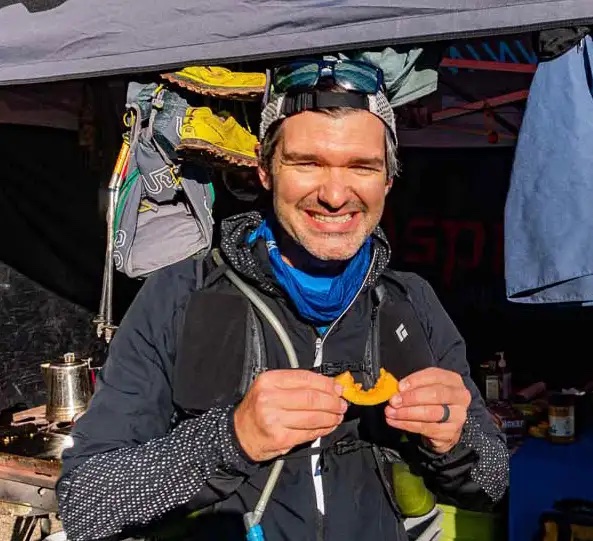
Peach rings

Describe your experience, background, and enthusiasm for running and/or wilderness and backcountry experiences?

I’m very new to the sport of trail running, love being outside, and away from heavy traffic. Being supported makes these remote trips doable.

What questions, concerns, or unknowns did you have going into your trip? How were they resolved?

Ha! Our unknown was Covid-19. Resolved our worries with professional guidelines and procedures. Campsites were also up in the air and again, Aspire rolled with the changing reservations and made it work. All we had to do was run/hike to the next campsite.

How did you prepare for your trip? Given your experience would you prepare differently, if so how?

I prepared for this trip like any other long distance run. With the amount of elevation gain and distances each day, it was important to be ready. But the support we had put us at ease if a long day turned a bit longer.

What story or description would you give to represent the group dynamic on your trip?

As a person with a quiet personality, it was out of my comfort zone to camp with a group of people who I’ve never met before. But with everyone sharing the same enthusiasm for the outdoors and adventures we all fit in quite well.

What was the most difficult moment from your trip?

Leaving at the end after celebratory drinks and an amazing dinner.

What advice or thoughts would you offer to someone considering signing up for an Aspire trip?

This is a must try for all adventurous people. The amount of support received was above any expense we put in.

Facebook: Mario Scalcucci

Categories
Blog courses Culture Highlights NCT Preparation Runner Profile Runner Profile Runner Profiles Stage Trip Styles update WL

Runner Profile: Gerald O’Keeffe

“Who goes on Aspire trips?”
It’s a question we hear often. The truth is, the runners who show up for our trips come from diverse backgrounds and bring a wide range of running and mountain experience with them to the trails.
We all relate to mountain spaces in unique and personal ways. We are excited to add some depth to our response to the “Who?” question with a series of Aspire trail runner profiles. We enjoyed hitting the dirt and building friendships with these runners on our trips, and we think you’ll enjoy hearing their stories!

Name: Gerald O’Keeffe Age: 53 Hometown: Arlington Heights, Illinois

Which Aspire Trip(s) have you participated in?

Wonderland Trail 2020, North Cascades Traverse ’22

Describe your experience, background, and enthusiasm for running and/or wilderness and backcountry experiences?

After running a number road marathons, I started getting more into back-country experiences like backpacking and wilderness camping. I did a trail run and immediately realized that trail running combined my love of running and my desire to spend more time in wild and natural places. I was hooked.

What questions, concerns, or unknowns did you have going into your trip? How were they resolved?

Mainly, I was concerned about the vertical gain. I live in Illinois and it is quite challenging if not impossible to run in nearby areas and get significant vertical gain. Every week, I traveled to Wisconsin to run in the hilly terrain of the Kettle Moraine State Forest and also supplemented with incline runs on the treadmill but the treadmill runs ended once the pandemic hit and I couldn’t go to my health club. Fortunately, I did do a lot of training in the heat and humidity that is typical for the Chicago area in summer. Then, my partner Christine and I did a 55 mile backpacking trip on the Northern Loop in MRNP the week prior to the run. This was extremely helpful in terms of familiarizing me with the terrain and getting my legs ready.

How did you prepare for your trip? Given your experience would you prepare differently, if so how?

I used a six month 100k training program from Training Peaks and also ran a 54 mile ultra in the Colorado mountains three week prior to the WT run. The ultra was at average elevation of 10,500 feet and had about 8,500 feet of vertical gain, so once I finished that, I was more confident that I was in good enough condition for the 93 mile Wonderland Trail. If I were to do this again, I would find a way to spend more time running in the mountains, maybe do a few 50k races in the months leading up to the Aspire stage run. I would also be more disciplined about doing core and strength work as part of my weekly running program. I did some core work but could have done more. Last, I would do more back to back long runs. I typically did my long run on Saturday and would then do a 5-10 mile recovery run on Sunday. I never managed to do something like a 25 mile run on Saturday followed by a 20 mile run on Sunday. Given this, I did wonder whether I would be able to handle multiple days of ultra distances on the Wonderland Trail.

What story or description would you give to represent the group dynamic on your trip?

The six of us were all pretty evenly matched in terms of our running ability. We didn’t all run together but we weren’t hours and hours apart, either. This was nice because it was possible to visit with different people at various points throughout the day of running.

What was the most difficult moment and/or a surprising episode from your trip?

On day 2 we ran from Mowich Lake to White River via the Spray Park route. It started raining a few hours into the day and even though I was wearing a long-sleeve Smartwool shirt, I was worried about getting a chill. I put on my windbreaker so I had another layer but everything was soaked with the rain. Fortunately, my legs were feeling surprisingly strong and I was able to keep cranking at a good pace and this helped me stay warm. Getting to the heated Aspire tent at White River was quite wonderful!

What advice or thoughts would you offer to someone considering signing up for an Aspire trip?

Spend time talking with your fellow runners and Aspire guides and getting acquainted with them. They are interesting people! Go with the flow, stop and at any waterfall or glacial stream you find interesting and take in the moment by splashing your face or soaking and resting your feet. Water is a very prominent and awesome part of the Wonderland Trail. Most important, enjoy the journey.

Facebook: Gerald O’keefe

Instagram: okeeffegerald

Categories
Blog courses Highlights Preparation Runner Profile Runner Profiles Runner Resources update WL

Runner Profile: Kristin Gablehouse

Name: Kristin Gablehouse Age: 42 Hometown: Lafayette, Colorado

Which Aspire Trip(s) have you participated in?

Wonderland Traverse 2018

Describe your experience, background, and enthusiasm for running and/or wilderness and backcountry experiences?

I grew up backpacking with my family. As soon as I could walk I carried my own diapers in a backpack. High school cross country is when I first found a love for running, and it wasn’t until my late 20s when I began trail running. Back in 2011, I started running ultramarathons, and have since run several 100 mile trail ultramarathons. For me the races are just an excuse to put in hours of training and spend all weekend roaming through the mountains.

What questions, concerns, or unknowns did you have going into your trip? How were they resolved?

My biggest concern going into the trip were the water crossings. I sustained a traumatic brain injury in 2015 and still have a lot of vertigo. Crossing a log bridge with water rushing underneath is far more daunting than standing at the starting line of a 100 mile ultramarathon.

How did you prepare for your trip? Given your experience would you prepare differently, if so how?

The trip was part of a big training week for a fall 100 miler, so I really didn’t change anything. I was already doing 60-70 mile training weeks at that point.

What story or description would you give to represent the group dynamic on your trip?

Everyone was out there for different reasons, and we had a variety of fitness levels and speeds. Some folks were more social than others, but everyone was supportive.

What was the most difficult moment from your trip?

The suspension bridge on day 1 was very difficult for me. I had to stop for 10 minutes once I got across so I could stop shaking and get my heart rate back down.

What advice or thoughts would you offer to someone considering signing up for an Aspire trip?

I would recommend training and preparing like you would for a race, so you can enjoy the trip as much as possible. You can get by with less training, but if you want less suffering and more vacation, train more. The heated dining tent, hot showers, and amazing food was far beyond anything I had expected.

Categories
Aspire Culture Blog Culture Highlights Runner Resources Training Training Resources

Time to Lace Up

Exploring what motivates us to run.

What’s the driving force that motivates you to lace up your shoes and hit the dirt?

Ask a trail runner what gets them out there and you’ll hear a wide range of answers. Waking up in the early morning light while the rest of the world sleeps, taking the mid-day run break, or hitting the trails in the evening with the run crew – whatever the reason, we runners are motivated to intentionally carve out that time to move our bodies, breath the fresh air, and commit to a time of presence on the trails.

Connection with ourselves.

For many, running is the one moment of peace in their day amidst the norms of a go-go-go society full of deadlines, meetings, expectations, endless notifications, and responsibilities.  It’s a simple moment to catch their breath, tune out the outer noise and take a moment to, hypothetically, slow down.

We seek solitude for the endless miles of reflection, a mindfulness practice, and a way to return back to ourselves.  We take time on the trails to work through difficult emotions, life stressors, and personal challenges. We use the solitude to release, let go, explore new ideas, and simply be. It’s clear that the strength and determination developed during the physical and mental challenges trail running presents translate into other avenues of life. 

Then comes running to push oneself – mentally, physically, emotionally and spiritually.  In running, we break through self-imposed limitations, building greater resiliency and opening up the capacity for running limitless through the adventures of life. We train long and hard and continue when it’s easier to quit. We set lofty goals that are seemingly out of reach, but continuously challenging ourselves teaches us that with hard work and effort, anything can be achieved.

Connection to each other.

Along with a chance to connect to ourselves, running creates an opportunity for friends to come together. Having a strong foundation of like-minded friends built around a love for outdoor movement and the trails can also mean having a go-to crew for early morning weekend escapades, friends crazy enough to sign up for big races together or be a support crew – friends always game for an epic adventure! 

Running can also be a vehicle for change. Through protest runs and fundraising, runners are using our sport as a stepping stone for activism and inclusivity. This work is helping bridge the gap between years of inequalities outdoors, incrementally changing that narrative in the outdoor industry and reality of what it means to recreate outside for marginalized people. 

Connection to the Wilderness

For many, trail running is true exploration – a way to use the miracle of the body as a vehicle of discovery in new terrain. Our feet carry us to high peaks with jaw dropping vistas and deeper into pristine, wild places. This exploration generates an inner sense of playfulness, a way of seeing the world through curious and fresh eyes. The wild spaces we inhabit encourage a giddy, child-like sensation of joy, play, and wonder.  

Hitting the trails is a great way to expand outdoor skills. Whether it’s a seasoned endurance athlete brushing up on mountaineering skills to travel faster through technical terrain, or someone starting at square one by learning navigation skills, fueling techniques and risk management in outdoor settings, expanding our skills increases confidence and our access to the places we love.


One of the most beautiful parts of each individual’s motivation to run, is that the same sense of wonder and exploration found in the long, expansive mountain trails, can also be found on the neighborhood trails you run each day. The same joy you find running with friends, can be just as meaningful and important on your solo runs. A 3-mile run through the same neighborhood can feel just as impactful as a big day out in the mountains. 

That’s the true beauty in perspective, individuality, and finding a personal sense of meaning through trail running. Each experience and motive is unique, admirable, and profound. 

It’s a healthy mix of all of these factors that bring us back to the trails time and time again. In a sport built on a communal love for the miraculous movement of our bodies through the wonder of the natural world, what matters isn’t why you run… only THAT you run.


Aspire’s trip calendar has every runner. What motivates you? 

Looking for big mountain mileage or training for a lofty adventure goal? Our Stage trips are the go-to! 

Want to build deep connections and friendships around the fire with a beer and explore epic zones during the day? Our Rendezvous have you covered.  

If it’s time to learn something new, hammer in your skill base and open up further possibilities of mountain exploration,  our Skills courses offer the next level of learning.

We look forward to sharing miles and motivation with you!


Kara Folkerts is a plant powered trail runner, sustainable travel advocate, yoga teacher, and passionate about all things sustainability, travel, health, and outdoor movement.  Originally from Canada, Kara has spent the last few years exploring and living abroad in various countries across the globe before joining the Aspire crew in 2020. Kara has been guiding various trail running, sustainability, and health retreats internationally since completing her undergrad in Ecotourism and Outdoor Leadership.  With all of these experiences, she seeks meaningful connections with others, loves to learn of new cultures, and fosters the mindset of a lifelong learner.  With a big heart for trail running and exploring wild places, she’s always stoked to get out there with others. 

She writes about all her adventures on her blog at www.karafolkerts.com and on her instagram @karafolkerts


Categories
Aspire Culture Blog courses Culture Destinations Diverse Voices Highlights Native YOSE Yosemite Backcountry Stage

Running on Stolen Land: Yosemite National Park

Developing a sense of context provides support for the deep connections to ourselves, each other, and the land that we celebrate on our trips. As part of our commitment to community and context, we are educating ourselves on the indigenous lands where we run trips… learning about the people who call these lands home, the forced succession of their homelands, their traditional lifeways , modern challenges, and the roles they play in land stewardship and conservation.

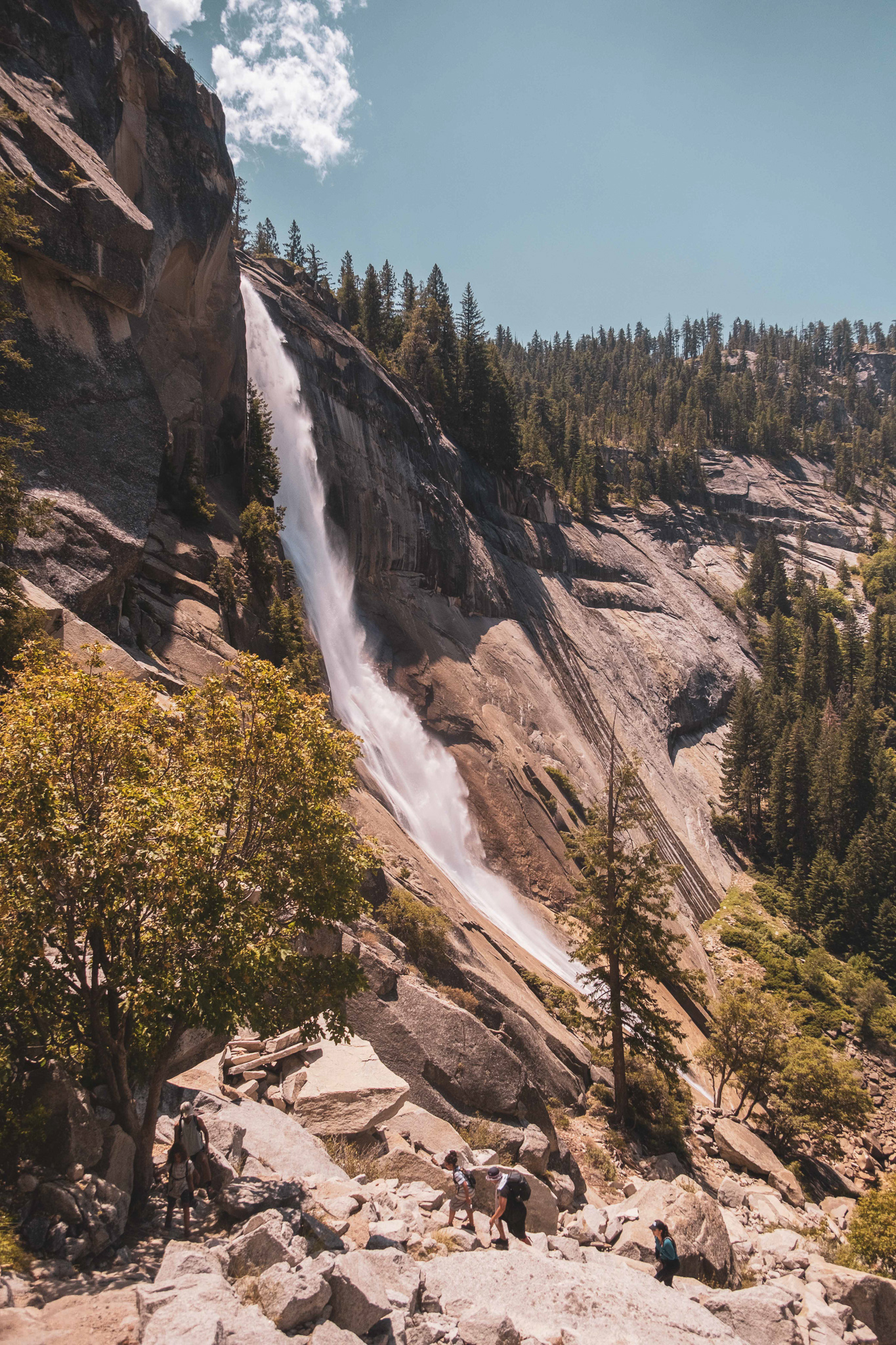
Coming off of a month of beautiful trips in Yosemite National Park, we share what we’ve learned Miwok people who inhabited the valley for thousands of years before the arrival or white settlers in the 1850’s.


Yosemite National Park is known for its dramatic natural landscapes boasting incredible waterfalls, giant sequoia trees, and towering granite domes.  It became a National Park in 1890 and continues to hold its sense of awe and appreciation among those who visit.

While Yosemite is known as a world-class destination for climbers and outdoor enthusiasts alike, the history and unfortunate harm of the Indigenous communities in the Valley is important for present visitors to acknowledge and also have an increased awareness of the Indigenous land management and cultural practices that make these natural areas a better place for all.  


History

The area we now refer to as Yosemite National Park is the traditional homelands of the Ahwahnechee people, a Southern Sierra Miwok Indigenous Nation who lived in the Ahwahnee (Yosemite) Valley.  Ahwahnee was a Miwok word to describe the open mouth of a bear, similar to how the First Peoples viewed the open end of their valley. 

For over 5,500 years the valley had an abundance of natural resources that allowed the Indigenous people to thrive off the land. This drastically changed around 1848, when word of gold in the area brought a flood of settlers to Yosemite. This gold rush resulted in a violent clash between the Native Americans and the new coming colonists, driving the Miwok Nation out of their homeland to mine the area for gold. 

During this period, the Southern Sierra Miwok Nation suffered from violent dispossession, relocation, and economic disadvantage in their ancestral homeland from the militia group, Mariposa Battalion.  This state funded militia group waged a seven month war, systematically burning villages and food supplies, thus forcing the Indigenous Communities from their land. The Native Americans eventually relented, were captured, and were forced to relocate to a reservation, ending the tribal habitation of Yosemite Valley and beginning a new era of the settlers.

Within a year’s time, the Ahwahneechee resettled throughout the valley, but in 1864, President Abraham Lincoln designated the Yosemite Valley as a protected area.  While the efforts were made to conserve the natural environment, the newly protected region brought a rush of tourism to the valley, which further lessened the control the Miwok had of their ancestral lands. 

Petitions for Yosemite to become a National Park began in 1889 when John Muir came to the valley.  At the time, the area was preserved as a forest reserve by the State Government but officially became a part of the National Park Service in 1890.

While the creation of the Park meant environmental preservation in the Valley, it further restricted the Ahwahneechee people from using their land for cultural and traditional purposes. By 1935 the South Sierra Miwok Nation was completely relocated from their lands and were threatened with fines, arrest, and further banishment from the park if not obeyed.


Fighting for Federal Recognition

Despite a dark past of displacement, the Indigenous groups of Yosemite have continued to advocate and lobby for federal recognition and use of their ancestral lands by working with the National Park Service. In 1980, the American Indian Council of Mariposa County (AICMC) was approved for the construction of a new Indigenous Cultural center in the Valley. In 1987, they were approved for the first Native American Relationship Management Policy to outline the importance of Indigenous Americans in the National Park management. 

While Yosemite works with the AICMC to better explain the Native American history of the Valley, most of the information and museums in Yosemite still highlight the settlers’ history instead of the Ahwahneechee history. 

Currently, the Southern Sierra Miwok people are “seeking self-determination, self-governance, and acknowledgment through the federal recognition process. This designation will allow [their] tribe to acquire tribal sovereignty rights. Federal recognition allows access to further health benefits, scholarships for higher education, funding opportunities to support [their] wellbeing and cultural continuance.” (Southern Sierra Miwuk Nation). 

As explained by the Miwok Nation, the motivation for the federal acknowledgement is to support and work with the underlying issues of fundamental justice for their people.  The hope is to “significantly enhance and facilitate this interaction by establishing a formal government-to-government relationship” through self-sovereignty, child welfare, additional federal support programs, revenue sharing trust funds, educational assistance, environmental protection and land acquisition, and protection of Indigenous cultural sites, and traditional gathering and other interest in their ancestral lands.

Ultimately, with the number of people traveling to Yosemite rising each year the importance to acknowledge, support, and campaign for the preservation and rights of the Southern Sierra Miwok Nation increases.  As trail runners and outdoor enthusiasts, it’s important we not only learn the true history of these wild spaces, but also support and help in the federal recognition of the first inhabitants of these regions we enjoy so much. 


For additional information and ways to support the Southern Sierra Miwuk Nation see below:  

Southern Sierra Miwuk Nation https://www.southernsierramiwuknation.org/federal-recognition 

Native Land – Me-Wuk (Southern Sierra Miwok)

Yosemite Mariposa County 

Indian Country Today https://indiancountrytoday.com/archive/native-history-yosemite-national-park-created-on-native-homelands 

The Yosemite Valley Native Americans 

https://ppaccone.medium.com/the-yosemite-valley-native-americans-f89957da5f18

Kara Folkerts

Kara Folkerts is a plant powered trail runner, sustainable travel advocate, yoga teacher, and passionate about all things sustainability, travel, health, and outdoor movement.  Originally from Canada, Kara has spent the last few years exploring and living abroad in various countries across the globe before joining the Aspire crew in 2020. Kara has been guiding various trail running, sustainability, and health retreats internationally since completing her undergrad in Ecotourism and Outdoor Leadership.  With all of these experiences, she seeks meaningful connections with others, loves to learn of new cultures, and fosters the mindset of a lifelong learner.  With a big heart for trail running and exploring wild places, she’s always stoked to get out there with others. 

She writes about all her adventures on her blog at www.karafolkerts.com and on her instagram @karafolkerts

Categories
Aspire Culture Blog Culture FAQ's Food Highlights nutrition Preparation Runner Resources What to Expect on Trips YOSE

On the Menu: Sierra Bowls

We understand the importance of recovery and fueling on the trails and the vital role food plays in a successful multi-day adventure. We want to see you thrive both mental and physically on our trips, so our menu is fine tuned to offer deeply satisfying, well-rounded, and healthy meals for runners.

During our time down south in the Sierra Nevada’s, we were eating a variety of whole-food, plant-centered meals daily and were inspired to add a new item to the Aspire menu. Dubbed the ‘Sierra Bowl’ after it’s place of inspiration, it’s already an instant hit among our community that we’ve incorporated into every trip’s menu. 


Sierra Bowls are a simple, one-bowl meal that is whole-food and plant based that features a bed of whole grains, fresh vegetables, healthy fats, varying sources of proteins and topped with a variety of seeds, nuts, delicious sauces and a whole lot of love.

The best part?! We make room for creativity and personal flair with the ‘build your own bowl’ meals for runners.  Choose from your favorite veggies, toppings and proteins to create a delicious dish that is catered to your own preferences, needs, and taste buds.

That being said, we do have a few favorite components of our Sierra bowls that have worked wonders for recovery and our taste buds.

We like to start our bowl with a warm base of quinoa.  This naturally gluten-free whole-grain has gained popularity in recent years with it’s high protein status, containing all the essential amino acids that you need, making it an excellent protein source for veg and meat-eaters alike.

Next, we like to add roasted sweet potatoes.  Not only are they delicious, they also are a perfect source of complex carbohydrates needed for exercise. In addition, they are also packed with phytochemicals that can help reduce post-workout inflammation. 

From there, we add a variety of healthy proteins such as edamame, whole-food based vegan meats, roasted chicken and a variety of nuts to sprinkle on top. Pairing protein with healthy carbohydrates helps promote muscle recovery after a hard effort out on the trails. 

Next comes a plethora of fresh veggies.  We’re talking shredded purple cabbage, carrots, steamed broccoli, sauerkraut, kale, arugula, tomatoes and more.  We aim to keep it fresh, colorful, and abundant!  This adds essential vitamins, minerals and phytonutrients to your meal.  

Healthy fats are another component of the bowl not to be missed.  While protein and complex carbs take a majority of the attention when fueling as an athlete, healthy fats play a crucial role in a balanced nutrition plan for athletes.  Not only do healthy fats create a truly satiating meal, it also aids in balancing hormone levels as an athlete.  Whether it’s avocado, a drizzle of tahini, a dollop of hummus or a sprinkle of nuts, we got you.

For the grand finale and to cover all bases, we’ve got all the sauces.  We have a wide mix of tahini, sriracha, dijon mustard, liquid aminos, hummus, and our personal favorite, Bitchin’ Sauce.  This vegan, almond-based whole-food dip has become a huge hit with everyone! 

At the end of the day, the creation of this bowl is centered around deep nourishment and nutrition to fuel your big days, but also with the acknowledgement that sharing of wholesome meals for runners in the company and community of others is just as important to feel truly nourished. 


Kara Folkerts is a plant powered trail runner, sustainable travel advocate, yoga teacher, and passionate about all things sustainability, travel, health, and outdoor movement.  Originally from Canada, Kara has spent the last few years exploring and living abroad in various countries across the globe before joining the Aspire crew in 2020. Kara has been guiding various trail running, sustainability, and health retreats internationally since completing her undergrad in Ecotourism and Outdoor Leadership.  With all of these experiences, she seeks meaningful connections with others, loves to learn of new cultures, and fosters the mindset of a lifelong learner.  With a big heart for trail running and exploring wild places, she’s always stoked to get out there with others. 

She writes about all her adventures on her blog at www.karafolkerts.com and on her instagram @karafolkerts

Categories
Blog Culture Highlights Preparation Runner Profile Runner Profile Runner Profiles

Runner Profile: Lauren Rock

“Who goes on Aspire trips?”
It’s a question we hear often. The truth is, the runners who show up for our trips come from diverse backgrounds and bring a wide range of running and mountain experience with them to the trails.
We all relate to mountain spaces in unique and personal ways. We are excited to add some depth to our response to the “Who?” question with a series of Aspire trail runner profiles. We enjoyed hitting the dirt and building friendships with these runners on our trips, and we think you’ll enjoy hearing their stories!

Name: Laurn Rock Age: 35 Hometown: Seattle, Washington

Which Aspire Trip(s) have you participated in?

Wonderland Traverse 2020

What is your occupation?

Architect

What is your favorite trail snack?

Inka corn and Swedish fish

What questions, concerns, or unknowns did you have going into your trip? How were they resolved?

I had done perhaps a bit too much research on the Wonderland Trail and totally psyched myself out about the many river crossings. I had read that the log bridges are often and unpredictably washed out, forcing runners to ford rivers and deal with varying water levels and currents. Not having much confidence in my balance, I talked through my anxieties with Abram in advance of the trip and felt better knowing that my fears were out on the table.

As it turned out, all of the river crossings during my trip featured beautifully in tact log bridges, thanks to the wonderful National Park Rangers. To kick things off on the right foot, the very first river crossing we got to, I believe it was Kautz Creek, had just been outfitted with a brand new log bridge. Meaning, there was fresh sawdust and rangers still finishing up the repairs, when we crossed. The second big win, was easily crossing the South Mowich River using a network of log bridges at the end of Day 1. After that, my anxiety was lifted and I could just enjoy the trail!

How did you prepare for your trip? Given your experience would you prepare differently, if so how?

I love training, following a plan, and having an excuse to spend long days out in the mountains. Especially during COVID, with everything else being cancelled, I loved having this trip on my calendar as something to work towards, and a training plan as the one constant in my summer. I roughly followed the 8-week training plan that Aspire sent out in terms of mileage, and tried to get in as much vert as possible while living in the city and only being able to get out to the mountains on weekends. I peaked with a few 50+ mile weeks. I enjoyed many trail training adventures with my friends Sarah and Cathleen who also joined me on this trip.

In terms of gear, I don’t typically run with poles, but they seemed like a good idea, so I brought them along attached to my pack each day. I ended up only using them for about 30 minutes total, on the last day as we were going across the snow near Panhandle Gap in extremely foggy conditions. Probably not necessary, but they were a nice security blanket.

What story or description would you give to represent the group dynamic on your trip?

Fun and supportive! Everyone on our trip had varying strengths and weaknesses, so while we didn’t all stick together each day, it was fun to pass or get passed by each other, often multiple times during each day, and exchange some words of encouragement and camaraderie along the way!

What info/advice/thoughts would you offer to someone considering signing up for an Aspire trip?

Aspire is a terrific organization with the best people. You are guaranteed to have a blast, meet incredible people, and enjoy some delicious food! The Wonderland Trail is really something special. I can see Mt. Rainier from my house and I am so inspired looking at it and reminding myself that I actually ran around it in 3 days. It makes me excited for more big adventures!

Categories
Aspire Culture Blog Culture Highlights Preparation registered runners Runner Resources Wild

Becoming a More Mindful and Eco-Conscious Trail Runner

Earth Day – aside from one day to simply declare your love and good intent to care for the environment and move on, Earth Day is a movement and commitment towards taking environmental action for the long haul. 


We are trail runners! We spend hours on the trails, pushing our physical and mental limits, enamoured by the beauty of the trails and having a deep love for the natural landscapes our two feet can take us. You’d think our outdoor exploration and immense appreciation for running in natural areas would directly correlate to environmental care right?!

Well, yes and no. While trail running is certainly a lower impact outdoor sport, everything we do still has its impact. With mindful intent and purpose in how we recreate outside, we can work towards becoming more informed and better stewards of the Earth. 

Between single-use plastics and wrappers from bars, gels and sports drinks, driving to the trailheads or flying to your destination race, and running in these often remote and wild natural areas – every action we take has an impact on the environment.


So as avid trail runners and trail users, what measures can we take to support and care for the natural areas we inhabit? 

Plogging and ‘Taking 3 for the Trail’

Pick up trash on the trails! Plogging is a fusion of jogging, with the Swedish expression ‘plocka upp’ meaning to collect. Picking litter off the trails is an easy and effective way to clean up the natural areas we explore. And why not join the ‘Take 3 or the Trail’ movement by picking up three pieces of trash every time you’re on the trails. Remember, if you don’t like seeing garbage on the trails, the next person on the trails won’t either, so consider picking it up to make a cleaner environment for everyone to enjoy. 

Hop on a Bike or Carpool

We are trail runners, we LOVE human-powered adventures! So why not take it a little further and create a completely human-powered adventure by hopping on your bike (or maybe even paddle) to reach the trailhead before your run.  Alternatively, carpooling or finding rideshares always beats out a solo drive to the trails. 

Go Back to the Basics with the Leave No Trace Principles! 

Plan ahead and prepare:

  • Research where you are going, what gear is necessary, and ways to lessen your impact on the area. Preparation can ensure greater safety and minimize resource damage to the site.

Travel on Durable Surfaces

  • Always stay on marked trails to avoid damaging delicate terrain and vegetation. 

Dispose of Waste Properly

  • Pack in what you pack out.  Be especially mindful of small pieces of trash such as the tops of gel wrappers and toilet paper. 

Leave What You Find 

  • See a beautiful rock or flower on the trails? Take a photo instead of taking the object back with you.  If you enjoyed its beauty, it’s likely the next trail user will appreciate it as well. 

Minimize Campfire Impacts

  • First and foremost, be informed of the area’s local fire regulations and rules.  If you are able to safely have a fire, ensure it is on a designated fire site or on a durable and safe surface to reduce environmental impact.

Respect Wildlife

  • Travel respectfully and do not pursue, feed or force animals to flee. For most wildlife, passing quietly is best, however, when in bear country it is good to make noise to ensure your safety.  Always keep a respectable distance between you and all wildlife. 

Be Consideration of Other Visitors  

  • Trail Runners aren’t the only users on the trails.  Trails may have a blend of hikers, bikers, and even horses.  It’s important to be kind, respectful, slow down and not crowd another’s person’s space. 

Engage in Gear Swaps and Utilized Used Gear

With new colours, styles, and trail running gear being released every season, it’s easy to jump on the bandwagon of new trail gear. However, while many of these brands represent outdoor pursuits and claim to be more sustainable, often, they still fall into the avenue of fast fashion with harsh environmental impact and unfair working environments for their employers.  Instead of opting for new, consider used and second hand.  It’s also important to ask yourself if your gear needs to be replaced in the first place. Remember: the most sustainable gear you have is the gear you already own.  

Give Back through Volunteering

What local trails do you spend the most time on? Make a fun day out of it with friends, by getting active and outside through local trail maintenance. This can be surprisingly easy to get involved with, often by simply reaching out to a local running store or municipal park to learn more.

Donate

Consider donating to organizations that are doing their part in caring for the climate!  Research and find organizations that you feel personally passionate about.  Maybe it’s clean water and ocean initiatives, plastic pollution, local trail associations, community gardens, National Parks or another organization you feel personally connected to.  Whatever it may be, make it personal and meaningful to you. 

Vote

While personal lifestyle changes and mindfulness of we utilize outdoor spaces, political and large-scale action is also greatly necessary for environmental sustainability and lasting change.  Voting in local, state, and federal elections is key to having your voice be heard and be a part of decision-making that affects you, your community and the planet.

Speak up

Be an advocate for the planet both on and off the trails! Speak to others about how we can collectively come together to ensure a more sustainable and healthy future. Whether it’s getting involved and speaking on a larger scale, or having conversations with a few of your friends on the trails. Even small conversations are impactful and can create ripple effects to waves of great change spreading to others.  Don’t forget that the words we speak have the power to turn into big action, which is the catalyst for radical change.  
What action can you take TODAY to be a more mindful, eco-conscious trail running and steward of the Earth?


Kara Folkerts is a plant powered trail runner, sustainable travel advocate, yoga teacher, and passionate about all things sustainability, travel, health, and outdoor movement.  Originally from Canada, Kara has spent the last few years exploring and living abroad in various countries across the globe before joining the Aspire crew in 2020. Kara has been guiding various trail running, sustainability, and health retreats internationally since completing her undergrad in Ecotourism and Outdoor Leadership.  With all of these experiences, she seeks meaningful connections with others, loves to learn of new cultures, and fosters the mindset of a lifelong learner.  With a big heart for trail running and exploring wild places, she’s always stoked to get out there with others. 

She writes about all her adventures on her blog at www.karafolkerts.com and on her instagram @karafolkerts

Categories
Blog courses Culture Highlights Preparation Runner Profile Runner Profile Runner Profiles WL

Runner Profile: Rebekah Mihm

“Who goes on Aspire trips?”
It’s a question we hear often. The truth is, the runners who show up for our trips come from diverse backgrounds and bring a wide range of running and mountain experience with them to the trails.

We all relate to mountain spaces in unique and personal ways. We are excited to add some depth to our response to the “Who?” question with a series of Aspire trail runner profiles. We enjoyed hitting the dirt and building friendships with these runners on our trips, and we think you’ll enjoy hearing their stories!


Name: Rebekah Mihm Age: 33 Hometown: Elmhurst, Illinois (Chicago Suburb)

Which Aspire Trip(s) have you participated in?

Wonderland Circumnavigation 2020, North Cascades Traverse 2021

Describe your experience, background, and enthusiasm for running and/or wilderness and backcountry experiences?

I am relatively new to the ultra trail running world. After seven years running road marathons, I was burned out and not enjoying racing. In 2017, I signed up for my first trail 50k and was instantly hooked. I love being in the outdoors and especially enjoy the challenges presented in an ultra distance and while running on trails. Mountain trails are my favorite, perhaps because I grew up in Idaho. There is something very peaceful and nostalgic about returning to run in the mountains.

What questions, concerns, or unknowns did you have going into your trip? How were they resolved?

I was anxious about the Wonderland trail due to my lack of back country experiences and my ability to train for so much elevation. I went on the adventure with my training partner as a way to ensure that I would not get lost or drown in a river. Experiencing the trail with my training partner was an incredible experience and gave me the confidence to go on the trip. I did learn that the sweeper with the Aspire crew is also always available to accompany the last runner, so that is a great option for others who may lack confidence to run the trail alone due to lack of experience.

How did you prepare for your trip? Given your experience would you prepare differently, if so how?

My training included weekly treadmill workouts at 15% incline and every Sunday I went to the local hill and ran up and down to hit my weekly mileage. I felt like I was reasonably prepared, however, next time I would do twice a week treadmill incline workouts as the other runners in the group who lived in the area were substantially better at the climbs. I also bought a book about the Wonderland trail and read it multiple times to prepare for everything I might encounter. I was very happy with my gear selection and found the course packet incredibly useful for packing.

What story or description would you give to represent the group dynamic on your trip?

I fully expected to be intimidated by the group, however, they turned out to be just like me…other runners setting out to accomplish an exciting (and a little scary!) first time goal. I loved the mix of multi-sport athletes, runners who had never done the mileage before, and runners coming back after breaks.

One moment that the group made very special for me was at the end of day two. I had not expected the day to take us so long, so as we arrived at camp after dark to the cheering of our group, it brought tears to my eyes. Our new friends that had been strangers a day ago were genuinely happy to see us and share stories about our shared adventures. The camaraderie created with the people we shared the trail with was very powerful.

What was the most difficult moment and/or a surprising episode from your trip?

The last day I was unexpectedly running alone, and as we had seen four bears on the trip up to that point, I was anxious about being a solo female in the wilderness. It was a foggy morning and I crossed a river after getting through Summerland Camp and for the life of me, I could not find the rock stacks to mark the trail. Nothing looked like a trail. Just rocks and more rocks. I wandered aimlessly crying for 10 minutes before I found the trail. Ten minutes later the Aspire crew caught up to me and I was so happy to see him, more tears came! It was scary in the moment but empowering to overcome the unexpected and finish the adventure.

What advice or thoughts would you offer to someone considering signing up for an Aspire trip?

Don’t hold back! Train hard and have confidence. There is something very special about these trips that is unlike any race you will ever run. The beauty about the Aspire trip is that you have all the options in the world to make the adventure magical for you. Whether you are speedy or come in every night with the sweeper like me, you will have the VIP treatment and support along the way to accomplish your goal. Read reviews and blogs. Check out pictures. You won’t regret it.

We welcome any insights or perspectives that illustrate the diverse people, abilities, and backgrounds that describe our community and how people experience our trips.

Our group had such a wide range of individuals from guys who had run many challenging mountain races and 100 milers, to me, the newbie mountain runner from Chicago who never ran more than a 100K, to an individual in his 60’s who had never run more than 34 miles, but had lots of back country experience. Some runners in our group were winter sports athletes who only ran in the summer. Some had only run 50Ks in the mountains but trained on the Wonderland trail. The group was very diverse in age (33-64) and location (Indiana, Illinois, Washington).

Also, we greatly enjoyed the tent rental option. I love to camp, but my experience is a bit limited, so the assistance from the Aspire team to set up and take down our tents made it great to not worry after a long day about how to prepare for the night.

Facebook: Rebekah Mihm