Categories
Aspire Culture Blog Culture Highlights Native Wild

The Salmon People

During Native American Heritage month, we invite you to take a deeper look  with us at the connection between the first people of the Pacific Northwest and the earth. Learn about the impact of the modern day stewardship of indigenous tribes on our rapidly changing environment through the eyes and experience of Stillaguamish Tribe Marine Biologist Francesca Perez.


“I don’t believe in magic. I believe in the sun and the stars, the water, the tides, the floods, the owls, the hawks flying, the river running, the wind talking. They are measurements. They tell us how healthy things are. How healthy we are. Because we and they are the same…”

-Billy Frank Jr.


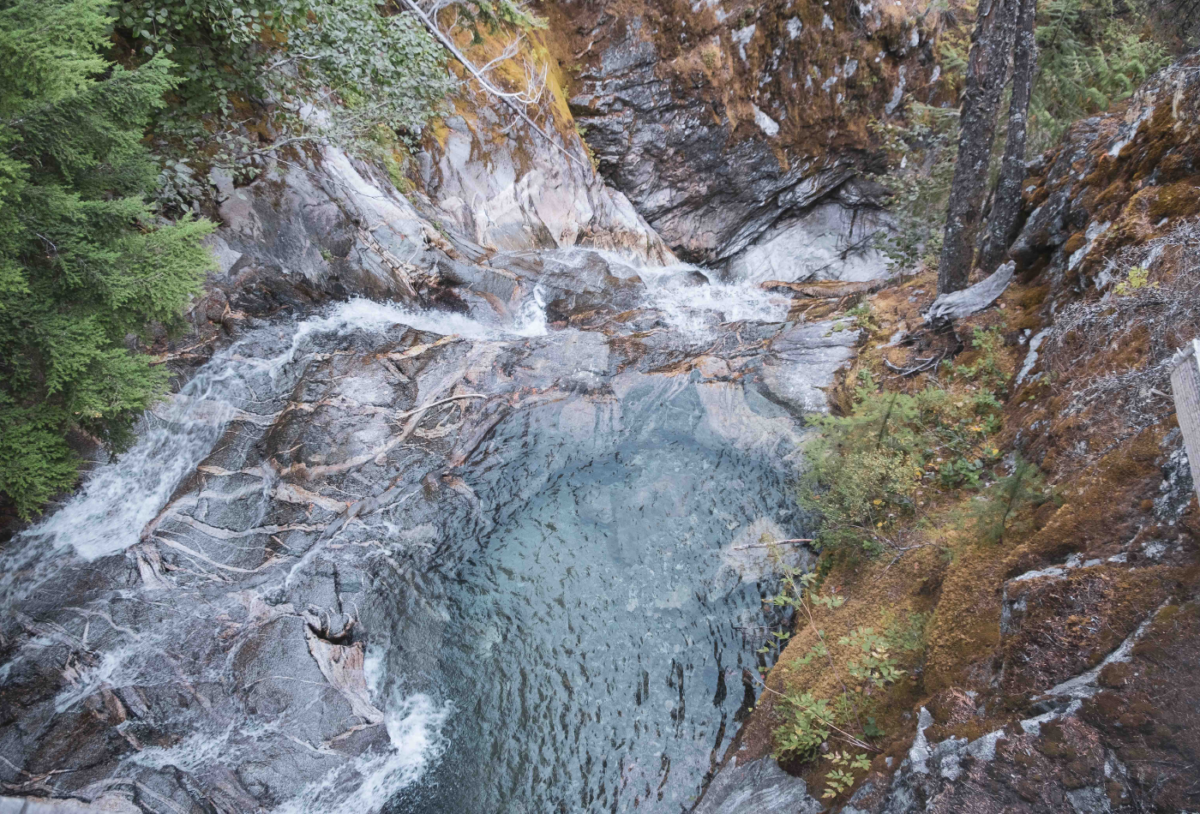
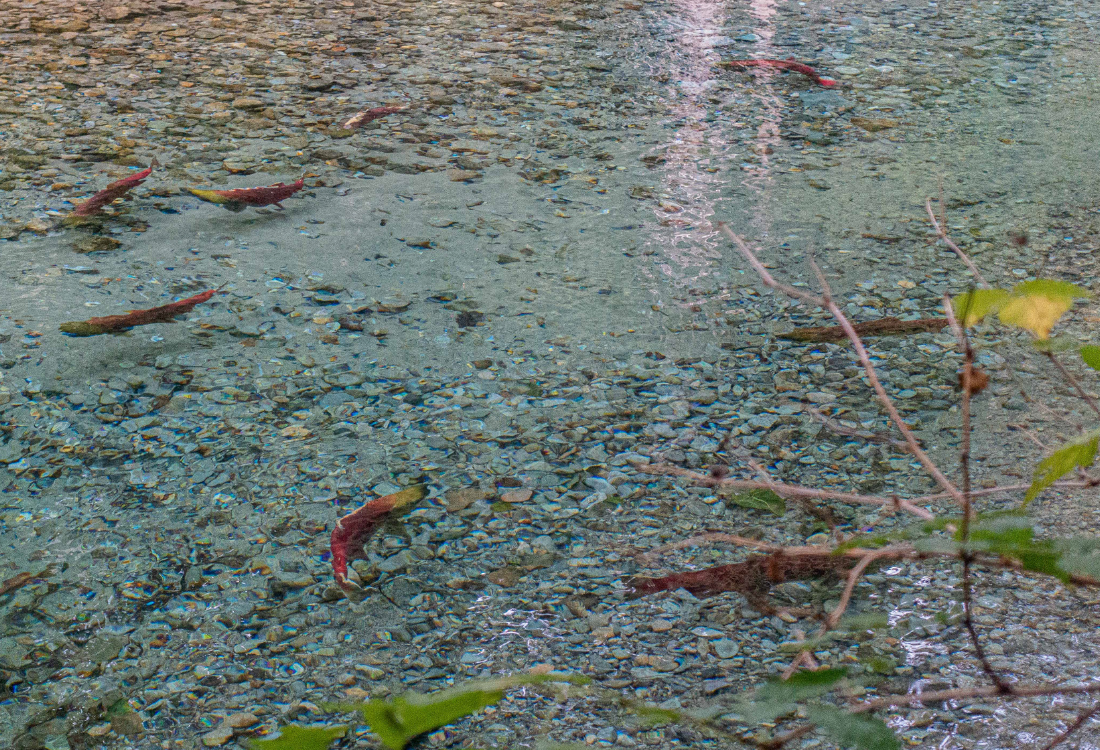
When you think of salmon do you envision rivers thick with red fishy backs? Sockeye leaping into the maw of a grizzly bear? Consider old growth cedars, containing ocean-nutrients delivered by eagles dining on spawned out fish. Freshwater mussels hidden in stream gravels, dependent on juvenile salmon for their offspring’s survival.

Consider also the autumn rain run-off swelling creeks with invisible chemicals that kill female coho ripe with eggs.

There are tangles in the Pacific Northwest web of life.

The Salmon People

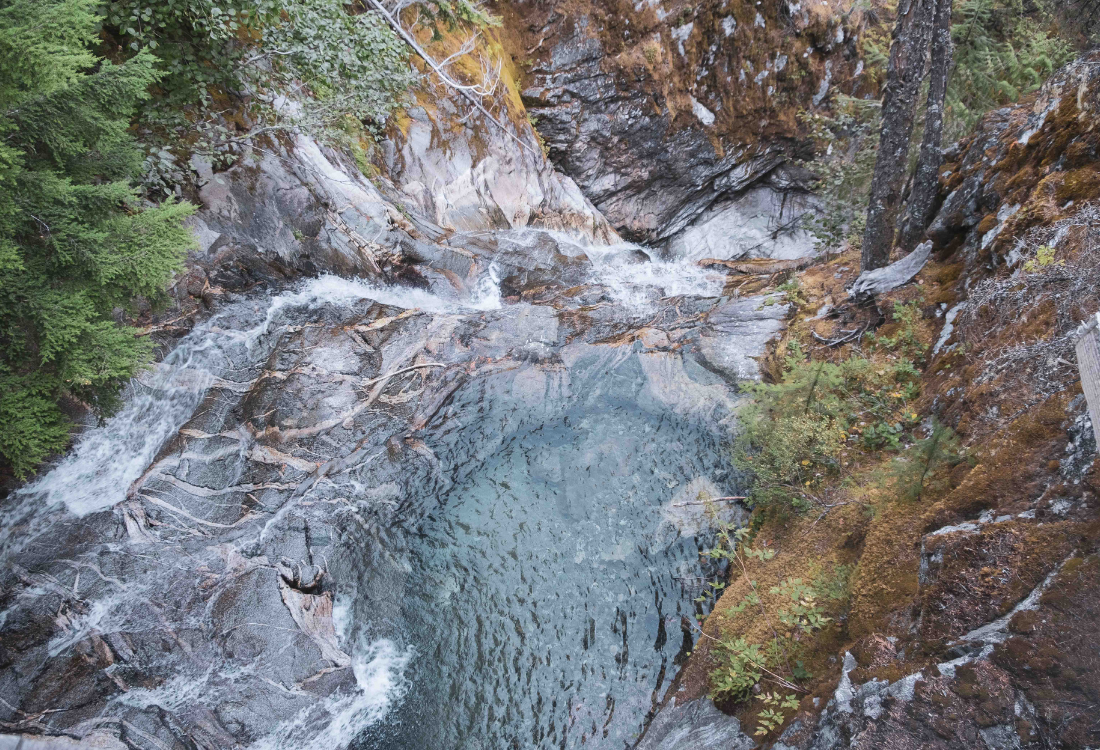
The salmon we know today evolved millions of years ago. The best adapted species survived the Pleistocene, successfully responding to landscape changes created by the ice ages. They spawn in our rivers and streams, nesting in glacial debris. They hatch and swim downstream to our ocean, where they eat and grow fishable. Those that escape nets and predators return to their birth stream years later, navigating by unseen forces.

The indigenous people of the Pacific Northwest adapted to post-glacial conditions along with salmon, and they thrived in these food-rich, coastal environments. Their complex societies are marked by ceremony, story, art, and trade. Hundreds of thousands of Indians celebrated and served their Salmon Family well for millennia, until European fur traders arrived in the early 19th century.

Settlement
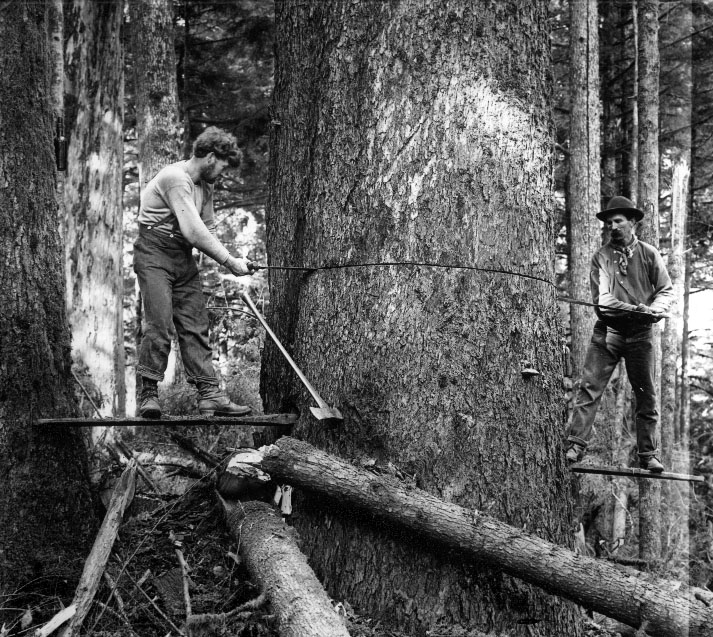
The settlement and resource extraction that followed so completely transformed the landscape that by the 1880s hatcheries were needed to sustain the drain. It addition to vast over-harvest, a gauntlet of obstacles were created that impacted salmon survival.

Removing beavers and their complex infrastructure, diking rivers, and draining estuaries all depleted juvenile salmon habitat by removing wetlands and small channels that support first year development.

Old growth timber harvest, transported by rail along those armored banks, robbed rivers of the wood that creates cool, deep pools for refuge in summer.

Dams blocked off hundreds of miles streams for spawning. And thanks to modern society, regional marine waters have become so laden with chemicals that salmon who grow to adulthood in Puget Sound are a cancer risk to human and orca alike.

Fish managers have reduced harvest by 80-90%, yet salmon populations continue to decline. What can be done?

Stewardship
In the words of UBC Chancellor Steven Point, “We are only borrowing and using the world.”

Health of salmon relates directly to the spiritual and physical well-being of local indigenous people. For this reason, each Tribe in the Puget Sound region dedicates a large percentage of revenue to restore habitat and rebuild salmon stocks. As co-managers ( Boldt Decision 1974 ), Treaty Tribes operate natural resource departments similar to those of the State, but with the luxury of focusing on specific river basins. Tribal governments can streamline priority projects, and are leaders in research, monitoring, and restoration.

Since Chinook were listed as Threatened by the Endangered Species Act in 1999, Puget Sound tribes have worked with State and Federal leaders to channel fiscal resources to help salmon recovery. They co-write management plans, develop land-protection strategies, and review grants for restoration projects. Limited tribal staff often juggle a variety of tasks ranging from sampling plankton to commenting on development permits to walking the rivers each September recording data on spawned out fish (everyone’s favorite).
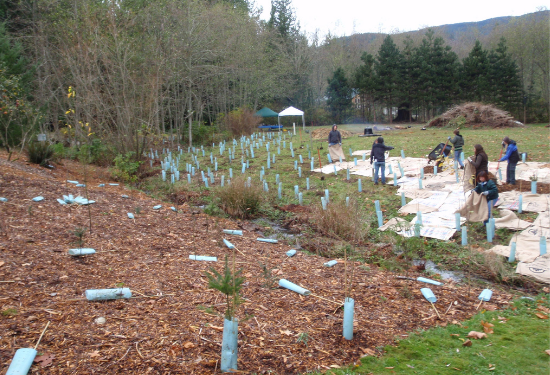

Restoration work can involve volunteers to replant floodplain forests in winter, or tribal youth to test water quality in summer. Large scale projects restore miles of stream habitat through culvert repair and
small (plus sometimes large) dam removals. Community engagement with stakeholders leads to dike removal, freeing rivers and estuaries to flow and channelize naturally. And millions of salmon fry, that would not otherwise survive, are released from hatcheries every year.

This is but a small sample of indigenous stewardship activities in Puget Sound that provide hundreds of jobs and is leveraged with similar efforts by government agencies. Yet with population growth and climate change, we continue to lose more habitat than can be restored. The work requires continued persistence and creative, inclusive thinking.

Read: The State of Our Watersheds

Stewardship means caring for someone else’s property or space. Indigenous leaders recognize we must care for the land as their ancestors did, not for the next year or next generation, but for the seven generations still to come, and the Salmon People are leading the way.
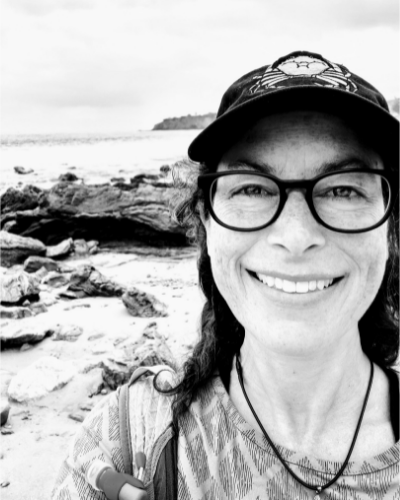
Keeping the marine environment clean and healthy is a lifelong pursuit that Franchesca is fortunate enough to work toward daily in her job as a biologist for the Stillaguamish Tribe. 

She oversees the Marine Stewardship and Shellfish Program, managing multiple monitoring and research projects, advocating for the Tribe in emerging marine resource issues, and by seeking shellfish harvest opportunities for Tribal members.
Franchesca holds an MS in Marine and Estuarine Science from Western Washington University.  Outside of work, Franchesca enjoys exploring wild places and taking her kids to the beach as often as they’ll let her.
Categories
Aspire Culture Blog Culture Highlights Preparation registered runners Runner Resources Wild

Becoming a More Mindful and Eco-Conscious Trail Runner

Earth Day – aside from one day to simply declare your love and good intent to care for the environment and move on, Earth Day is a movement and commitment towards taking environmental action for the long haul. 


We are trail runners! We spend hours on the trails, pushing our physical and mental limits, enamoured by the beauty of the trails and having a deep love for the natural landscapes our two feet can take us. You’d think our outdoor exploration and immense appreciation for running in natural areas would directly correlate to environmental care right?!

Well, yes and no. While trail running is certainly a lower impact outdoor sport, everything we do still has its impact. With mindful intent and purpose in how we recreate outside, we can work towards becoming more informed and better stewards of the Earth. 

Between single-use plastics and wrappers from bars, gels and sports drinks, driving to the trailheads or flying to your destination race, and running in these often remote and wild natural areas – every action we take has an impact on the environment.


So as avid trail runners and trail users, what measures can we take to support and care for the natural areas we inhabit? 

Plogging and ‘Taking 3 for the Trail’

Pick up trash on the trails! Plogging is a fusion of jogging, with the Swedish expression ‘plocka upp’ meaning to collect. Picking litter off the trails is an easy and effective way to clean up the natural areas we explore. And why not join the ‘Take 3 or the Trail’ movement by picking up three pieces of trash every time you’re on the trails. Remember, if you don’t like seeing garbage on the trails, the next person on the trails won’t either, so consider picking it up to make a cleaner environment for everyone to enjoy. 

Hop on a Bike or Carpool

We are trail runners, we LOVE human-powered adventures! So why not take it a little further and create a completely human-powered adventure by hopping on your bike (or maybe even paddle) to reach the trailhead before your run.  Alternatively, carpooling or finding rideshares always beats out a solo drive to the trails. 

Go Back to the Basics with the Leave No Trace Principles! 

Plan ahead and prepare:

  • Research where you are going, what gear is necessary, and ways to lessen your impact on the area. Preparation can ensure greater safety and minimize resource damage to the site.

Travel on Durable Surfaces

  • Always stay on marked trails to avoid damaging delicate terrain and vegetation. 

Dispose of Waste Properly

  • Pack in what you pack out.  Be especially mindful of small pieces of trash such as the tops of gel wrappers and toilet paper. 

Leave What You Find 

  • See a beautiful rock or flower on the trails? Take a photo instead of taking the object back with you.  If you enjoyed its beauty, it’s likely the next trail user will appreciate it as well. 

Minimize Campfire Impacts

  • First and foremost, be informed of the area’s local fire regulations and rules.  If you are able to safely have a fire, ensure it is on a designated fire site or on a durable and safe surface to reduce environmental impact.

Respect Wildlife

  • Travel respectfully and do not pursue, feed or force animals to flee. For most wildlife, passing quietly is best, however, when in bear country it is good to make noise to ensure your safety.  Always keep a respectable distance between you and all wildlife. 

Be Consideration of Other Visitors  

  • Trail Runners aren’t the only users on the trails.  Trails may have a blend of hikers, bikers, and even horses.  It’s important to be kind, respectful, slow down and not crowd another’s person’s space. 

Engage in Gear Swaps and Utilized Used Gear

With new colours, styles, and trail running gear being released every season, it’s easy to jump on the bandwagon of new trail gear. However, while many of these brands represent outdoor pursuits and claim to be more sustainable, often, they still fall into the avenue of fast fashion with harsh environmental impact and unfair working environments for their employers.  Instead of opting for new, consider used and second hand.  It’s also important to ask yourself if your gear needs to be replaced in the first place. Remember: the most sustainable gear you have is the gear you already own.  

Give Back through Volunteering

What local trails do you spend the most time on? Make a fun day out of it with friends, by getting active and outside through local trail maintenance. This can be surprisingly easy to get involved with, often by simply reaching out to a local running store or municipal park to learn more.

Donate

Consider donating to organizations that are doing their part in caring for the climate!  Research and find organizations that you feel personally passionate about.  Maybe it’s clean water and ocean initiatives, plastic pollution, local trail associations, community gardens, National Parks or another organization you feel personally connected to.  Whatever it may be, make it personal and meaningful to you. 

Vote

While personal lifestyle changes and mindfulness of we utilize outdoor spaces, political and large-scale action is also greatly necessary for environmental sustainability and lasting change.  Voting in local, state, and federal elections is key to having your voice be heard and be a part of decision-making that affects you, your community and the planet.

Speak up

Be an advocate for the planet both on and off the trails! Speak to others about how we can collectively come together to ensure a more sustainable and healthy future. Whether it’s getting involved and speaking on a larger scale, or having conversations with a few of your friends on the trails. Even small conversations are impactful and can create ripple effects to waves of great change spreading to others.  Don’t forget that the words we speak have the power to turn into big action, which is the catalyst for radical change.  
What action can you take TODAY to be a more mindful, eco-conscious trail running and steward of the Earth?


Kara Folkerts is a plant powered trail runner, sustainable travel advocate, yoga teacher, and passionate about all things sustainability, travel, health, and outdoor movement.  Originally from Canada, Kara has spent the last few years exploring and living abroad in various countries across the globe before joining the Aspire crew in 2020. Kara has been guiding various trail running, sustainability, and health retreats internationally since completing her undergrad in Ecotourism and Outdoor Leadership.  With all of these experiences, she seeks meaningful connections with others, loves to learn of new cultures, and fosters the mindset of a lifelong learner.  With a big heart for trail running and exploring wild places, she’s always stoked to get out there with others. 

She writes about all her adventures on her blog at www.karafolkerts.com and on her instagram @karafolkerts

Categories
Aspire Culture Blog courses Culture Destinations Highlights LCT Lost Coast Trail Stage update Wild

Ecological Rhythms of the Lost Coast

Pacific Salmon have been an ecological cornerstone of the Pacific Northwest for millions of years. By studying their lifespans, a broader picture of connection between all of nature comes into focus. As runners travelling through these landscapes, we are invited to join these ebbs and flows. Jeff Mogavero explores these connections through the eyes of a wildlife technician and ultra-runner.

“And while they delight our senses, the salmon also represent us in a profound and heartfelt way. They are the precious mettle of our watersheds. They embody our home places. Salmon are the deep note of our dwelling here, the silver soul of this green bell-steelhead, sockeye, coho, chum, pinks, and kings.”

-Tom Jay, “Homecoming” 

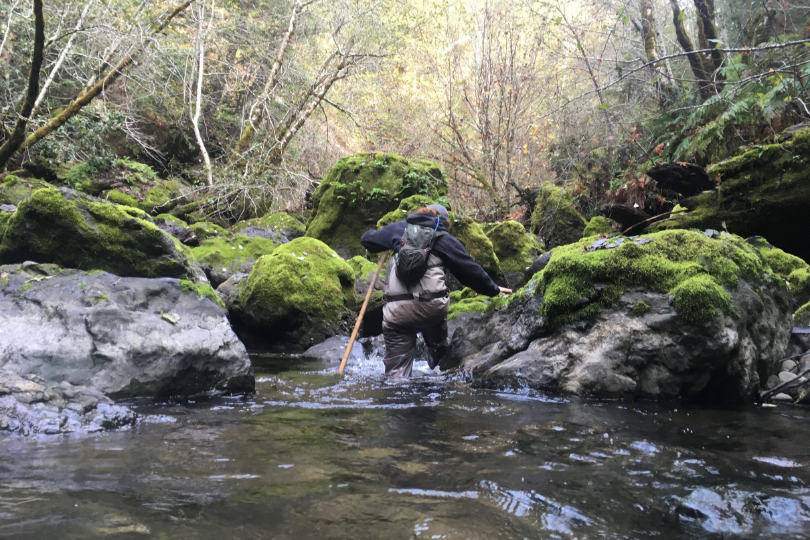
Heading up stream in the King’s Range on the Northern California Coast. PC: Jeff Mogavero

TO RUN the Lost Coast Trail is to flow between the earth and the sea. To scramble up stony bluffs and to trot across tan satiny acres of beach sand. To see more sea lions and elk than people.  To deeply breathe in the tang of saltwater and marine life. To run the wildest edge of the west coast.

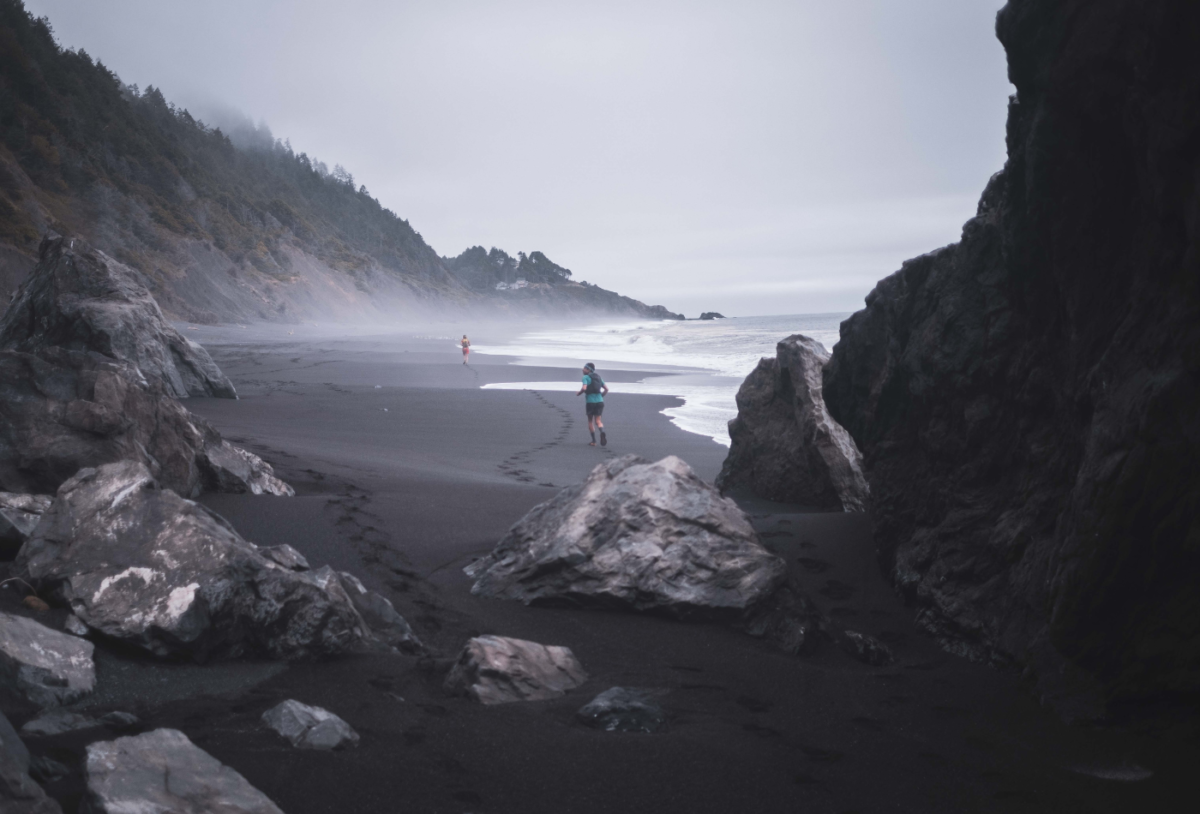
Over days, you’ll run across beaches of sand, beaches of volcanic rock, beaches of bowling-ball-sized rocks, beaches of cobble and seaweed. For those days, you’ll live in deepest relationship with the rhythm of the earth and sea, timing your movement around the tides, feeling those great shifts of the ocean around you. Waking to the crashing of waves and watching dusk fall around a campfire. 

All the while running along the edge of the King Range, along the edge of the Sinkyone Wilderness, and most of all, along the edge of the great North Pacific. Standing awestruck above the cool plain of the sea, or flowing through marine meadows beside the water’s hypnotic boil. The sea’s mood different every hour and every day: wide, skidding waves or seething combers, or silky calm beneath a golden setting sun, or the slow pound against thousand foot cliffs on a foggy morning. And just as the weather strips the coastline, it strips you down and then builds you up, filling you with a wild strength you never knew you had. 

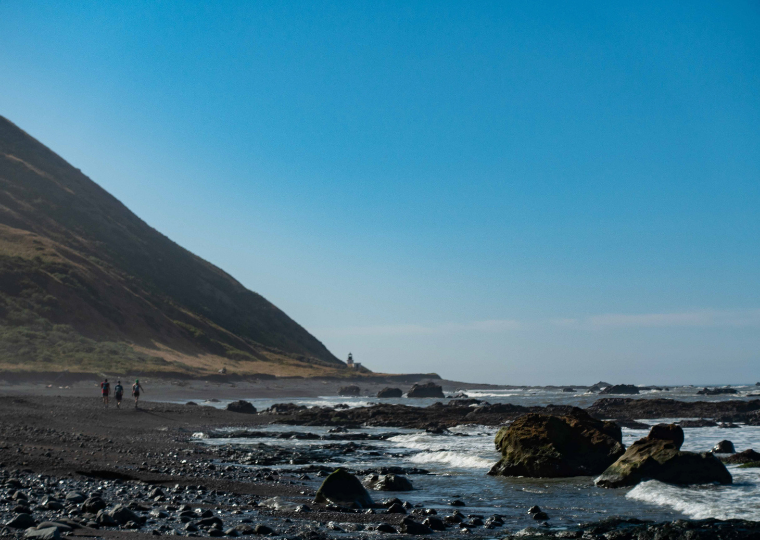
Runners cross a stretch of beach on California’s Lost Coast Trail

To run the forgotten coast is also to run through the gateway of one of the world’s greatest ecological miracles:

This wild rib of forgotten coastline is the southernmost range of Pacific Salmon, a two-million-year-old magnificent species that is the ecological cornerstone of the entire north Pacific, from California up through Oregon, Washington, BC and Alaska, and even across to Siberia and Northern Japan.  Salmon are born in the clear cold streams of these regions and migrate out to sea, returning two years later to the exact stream where they were born, fighting their way upstream to spawn, laying the eggs for the next generation, and then die.

When they go to sea for voyages that can be 10,000 miles long, they’re the size of your fist, and when they swim back up the exact alder-lined home creek where they were born twenty-four months later, they’re often the size of your leg, their flesh red from the mineral richness of the deep sea. As they spawn and die, they are eaten by eagles, bears and other creatures who spread their ocean-mineral-rich remains throughout the forest, even into the tops of trees. If you take a carbon scan of, say, a two-hundred foot Sitka Spruce or Doug Fir, you can literally see the salmon matter up in the crown of the tree. Thus, the lush Pacific Northwest temperate rainforest is a “Salmon Forest,” and much of its biological richness comes from the Salmon importing ocean nutrients inland into the forests, just as the dark, cool forests keep the salmon streams cold and clear for the salmon to thrive. 

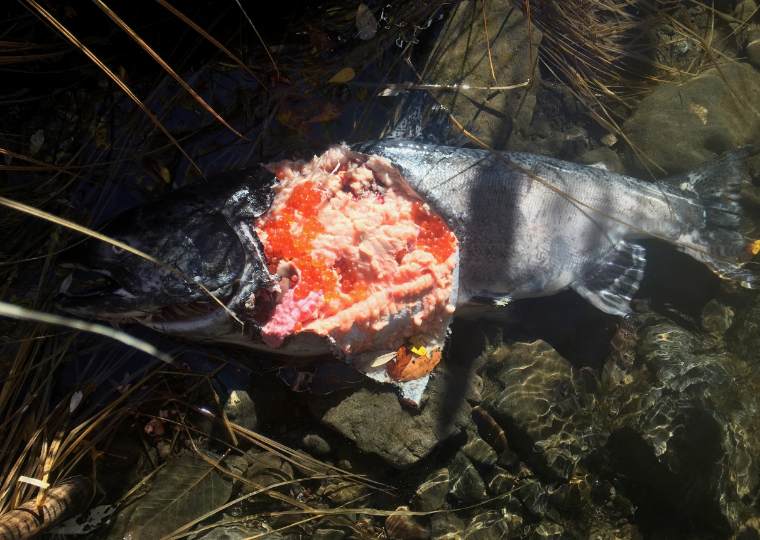
A salmon disintegrated on the shore of a creek. PC: Jeff Mogavero

Generations ago, Salmon inhabited watersheds all the way down to San Diego and southern Japan, surviving and adapting to ice ages, floods and droughts. But in the last century, ecological pressure from development, mining, dredging, logging, and climate change has reduced their range. Along the Lost Coast, the Salmon runs have been kept alive by a team of dedicated watershed activists who have fought for decades to protect the ecological and hydrological integrity of salmon streams, and even hand-delivering smolts (baby fish) into healthy stream habitat. They’ve prevented dams, built fish ladders and hatcheries, protected and helped to hatch eggs, and restored the salmon runs on rivers like the Mattole and the Eel. The King Range Conservation Area, created in 1970, was the nation’s first designated Conservation Area, and a quarter-century later the coastal King Range Wilderness (that hosts much of the trail) was also designated to further protect this place. Offshore, the Rocks and Island Wilderness protects even more habitat.  So, as you run beneath Ospreys and Cormorants, with seals barking and bear tracks visible in the sand, you are moving through one of the crown jewels of American conservation.  

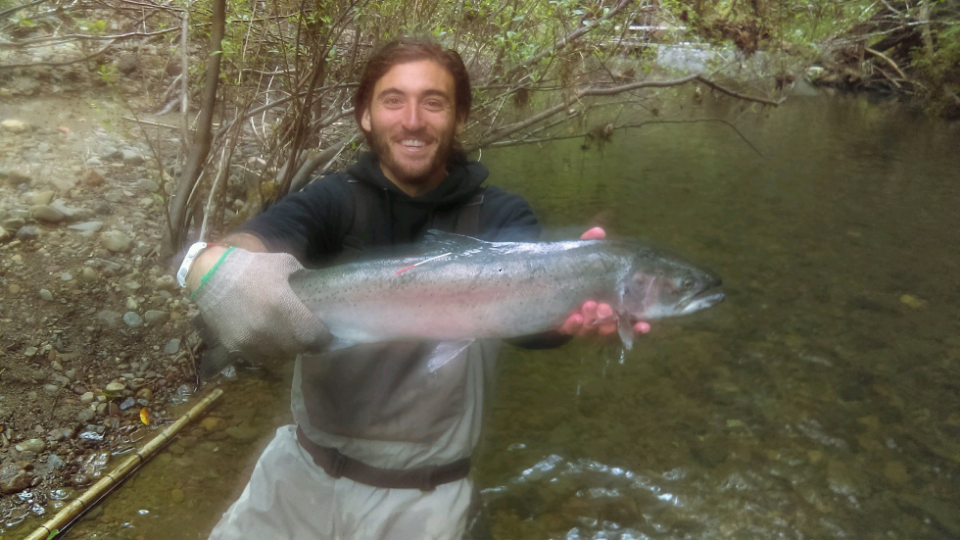
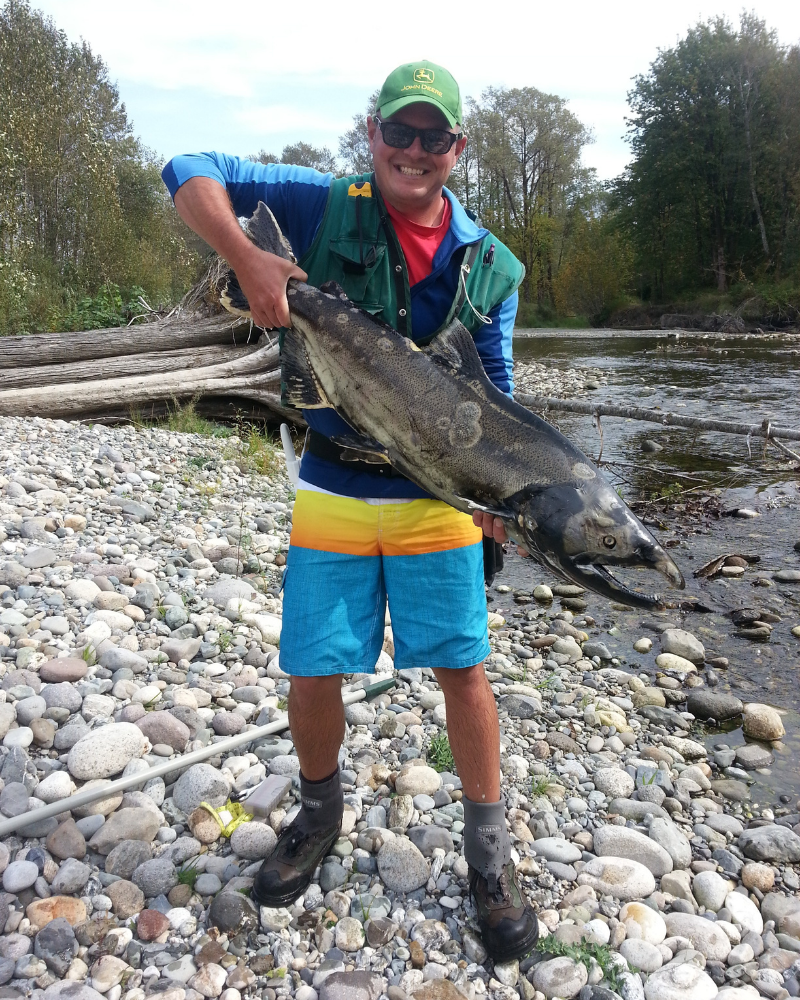
Jeff Mogavero holds up a large salmon on the Lost Coast

And so, to run the Lost Coast trail is to run through America’s longest stretch of undeveloped coastline outside of Alaska, in the remote footsteps of conservationists and activists who protected it. It is to marvel at herds of Elk while Bald Eagles fish the crumpling waves.  To stagger up ragged thumbs of land, and to narrowly escape across tide flats before the ocean gushes back in.  To be a participant in an ecosystem that stretches north across the Pacific all the way to Japan, in the soul-shadow of those extraordinary Salmon; and just as the Salmon return to their restored home streams bigger and stronger, we are restored by this wild ecological integrity, returning to some deep, quiet place within ourselves, strengthened and calmed.  By living for a bit in the resonance of such a place, maybe we can return to our homeplaces deeper and more resilient. As salmon activist and author Freeman House has written of this coast, “I find in myself a new fluidity of response, a diminished sense of attachment, a more comfortable sense of humility. I am a different person than I was when I arrived in this valley.”


With three decades spent exploring the PNW and Alaska, Ian is based in Maine, where he directs the Kauffmann Program for Environmental Writing and Wilderness Exploration, and teaches writing, ecology, brain science, music and mindfulness to high school students. With over two decades leading trips and expeditions across the US, Alaska and internationally, he loves empowering people to take agency in their lives and discover new places. Ian is a poet and graduate of the Rainier Writing Workshop, and his writing has been featured in places like Terrain.org, Orion and High Desert Journal.  He also directs a community steelband, loves kayaking big water, drinks copious amounts of coffee, geeks out around nutrition, literature and fitness, and was once a member of an Inuit Dance Troupe.

Check out his website at Ianramsey.net


Run this rugged stretch of California coast with Aspire and see how you come away changed.

Run the Lost Coast Trail.