Aspire Adventure Running, in collaboration with coach Andrew Fast, has created 2022’s Spring Training Community program. The training plan includes elite concepts for every athlete and monthly webinars that give participants a chance to come together for further insight. The webinars feature presentations from Andrew and special guests discussing fueling, use of technology in training, ways to improve recovery, and the power of mindset. The intent of this program is to lay down a solid foundation of base fitness in preparation for spring and summer objectives.
Training log entry:October 2nd, 2021
“That was hard. It got hot and the legs got wobbly just past the half way mark. Lots of vomiting on the ridge. I may not race tomorrow.”
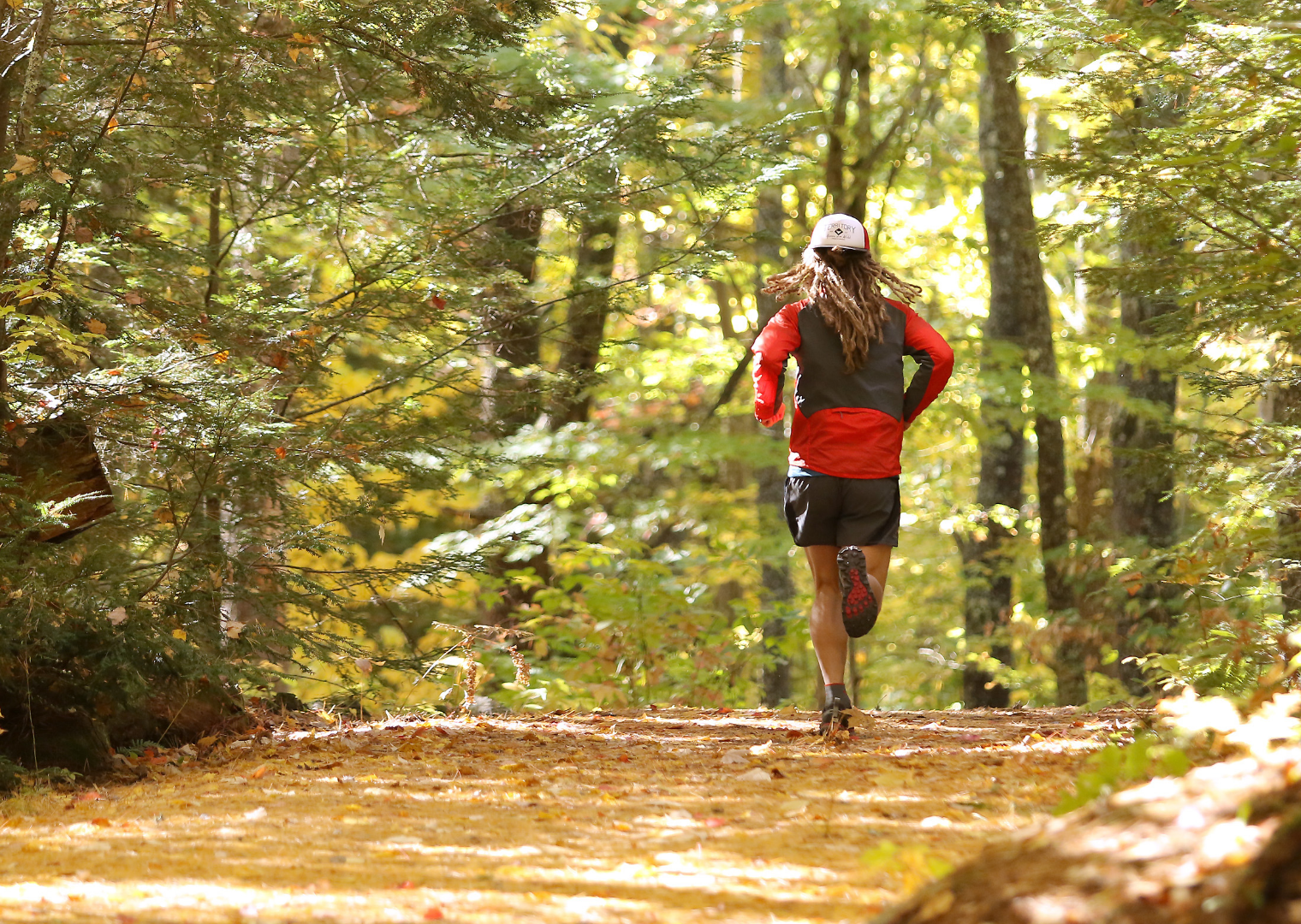
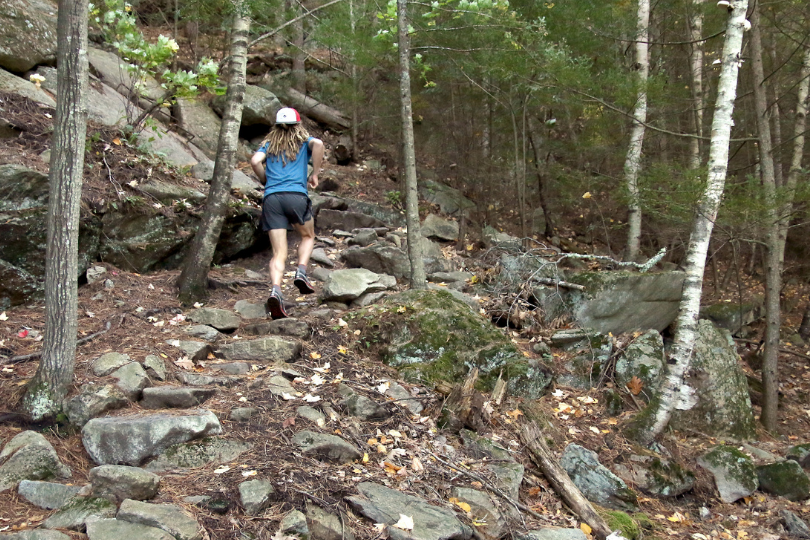
This entry is from day two at The Broken Arrow Skyrace Triple Crown, a VK + 50km + 25km over three days of racing. The lowest combined time wins. Just after the start of the 50km a few of us started working together. Chatting. Finding rhythm. Finding our legs and laughing along the way. Rolling through the half way point, a volunteer told us we were about 10 minutes behind the lead. Leaving the aid station I felt a switch flip in the wrong direction. Running quickly turned to shuffling with heavy legs and lethargic energy. The group disappeared as my pace slowed. By the time I made it to the high point on the ridge it felt like I was stumbling around like a drunken sailor on a tightrope.
I finished the race sunburnt and very dehydrated. Racing the following day didn’t feel like an option.
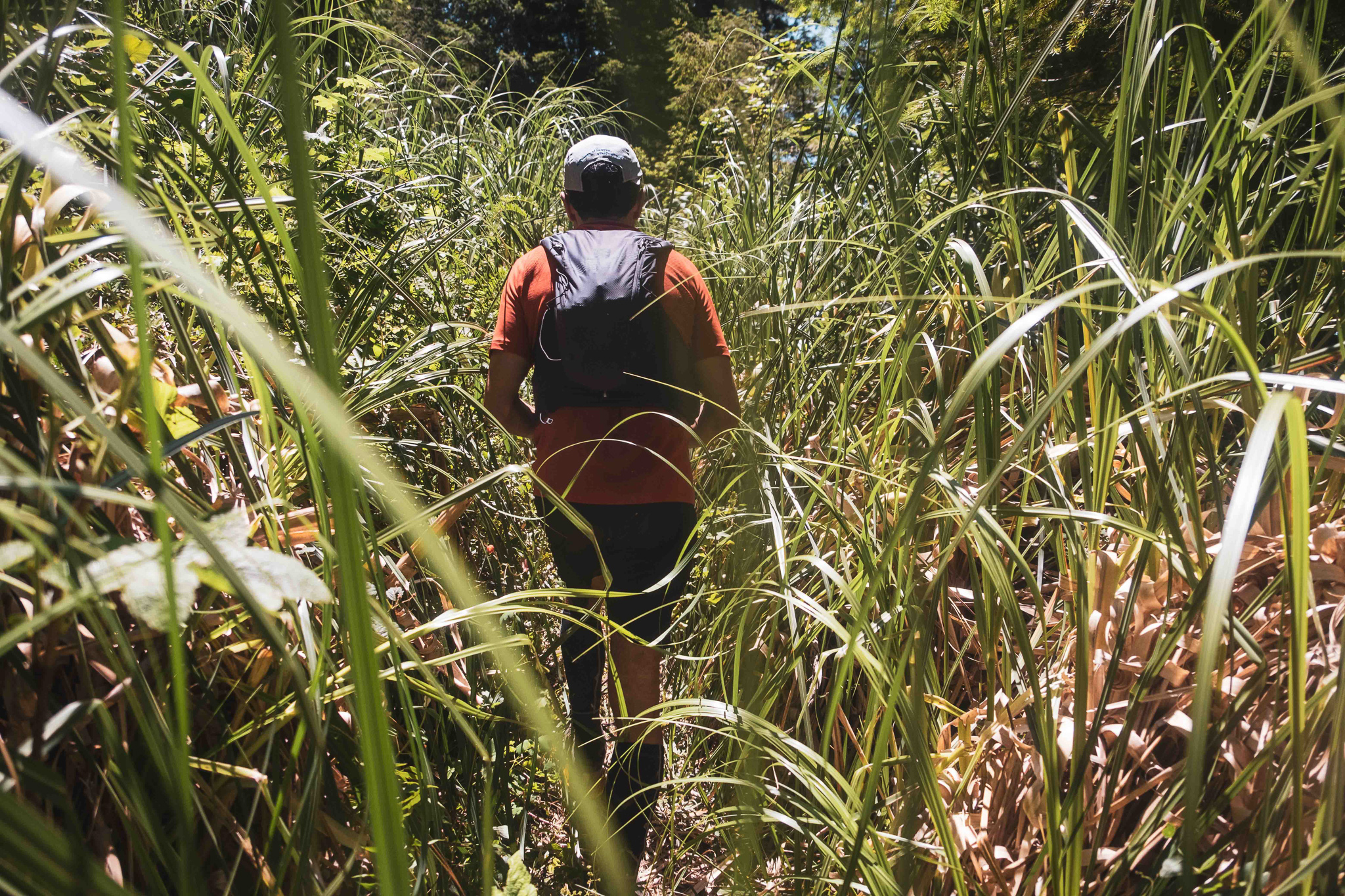
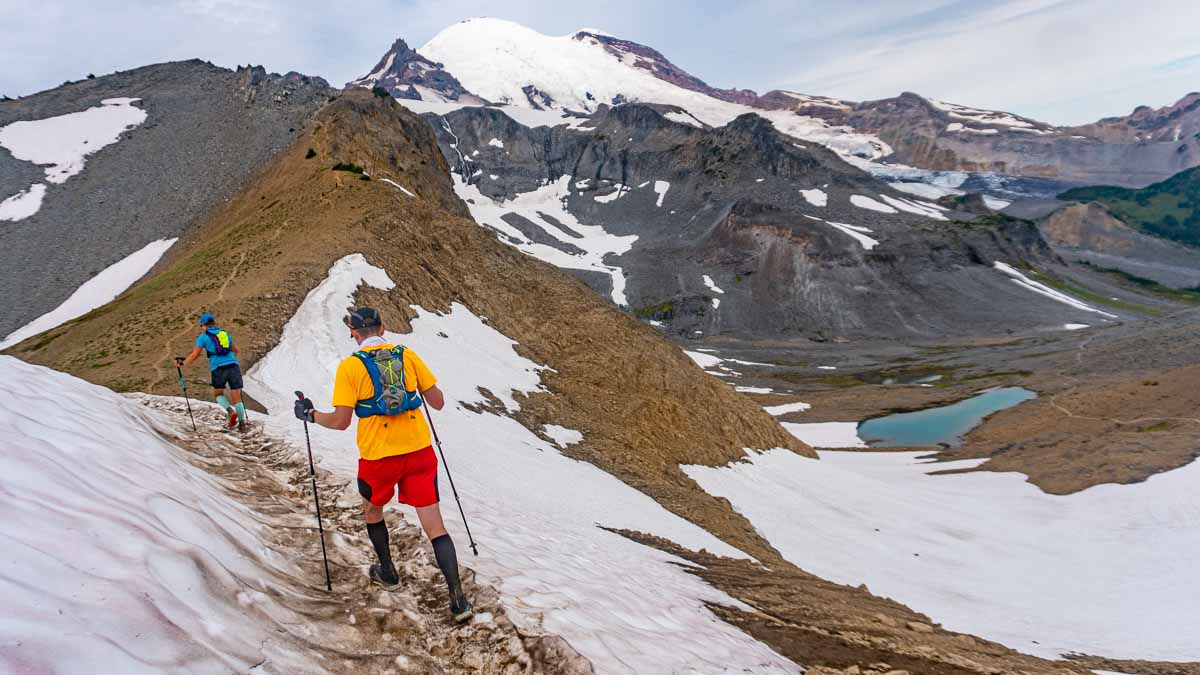
Runners approach Hadley Peak, a sub-peak of Kulshan (Mt. Baker) in the North Cascades.
Training log entry:October 3rd, 2021
“Great day of running. 3rd place Broken Arrow Skyrace Triple Crown. Today felt easy.”
On day three I woke up, put on my favorite pair of socks and hat, and showed up to the start line ready to work. The miles flew by… and it felt easy. Why? What was so different from day two as compared to the start of day three? Looking back on the experience, I’m reminded of how powerful setting expectations for a session or race can be and how useful developing an awareness for rate of perceived exertion is. Simple as it may sound I didn’t internalize how ‘hard’ would feel when I hit the half way point of the 50km before I started so when that moment came, I spiraled.
On the third and final day of racing I rolled out of bed, coffeed up while putting on my run shoes, and headed for the door like any other morning. But unlike the day prior I changed one thing–I told myself today’s run would be hard. That at some point my legs would feel like lead, breathing would be more difficult once we hit 9,000 feet, and that I was in control of my effort. On the short list of things a person can control, perceived exertion deserves a spot near the top, here’s why: we often inflate how we feel.
If we over-inflate a negative feeling, then we often spiral. In a milisecond, we give ourselves a reason and justification for a bad performance. “My nutrition was off. My legs felt dead. I just didn’t feel good.” We set ourselves up for performing poorly.
But it’s not just over-inflating the negative that can get us into trouble. We all experience a performance like my last day of racing, where an incredibly difficult task somehow becomes effortless and easy. Many athletes I work with will finish a race and say, “I could have gone faster.” The athlete then goes on to spend season after season searching for that elusive feeling where the difficult feels easy. Dialing in their taper, nutrition, new shoes, workout stack, and selecting courses that suit their strengths but neglecting to sharpen their sense of what easy, medium, or hard feels like on a regular basis and more importantly tuning into how a session or race should feel before they start. Like a muscle this sense must be strengthened through repetition, but once it’s more clearly defined it becomes free speed in the long run.
Yours in sport, Andrew Fast, DPT
This month’s Spring Training Community webinar topic is Data & Analytics: Using Individual Heart Rate, Pace, and other Key Metrics to Improve Training and Performance Our guest speaker is Sport Science Product Marketing Manager at Coros, Derek Dalzell
Join the Spring Training Community to receive the training plan and access the webinars. We’re looking forward to training with you!
Andrew works in Sports Medicine and Performance in Park City with the US Ski & Snowboard Team, USA Cycling, and Project Podium, a Team USA Under 21 Triathlon Development program. He has volunteered at the Olympic Training Center in Colorado Springs, worked with world-class runners in Mammoth Lakes, California, as well as raced and trained with elite-level athletes. Andrew earned his Doctorate of Physical Therapy from Franklin Pierce University in 2015 and started racing as a professional triathlete in 2013. As a clinician, Andrew is most interested in lower quarter biomechanics.
If you are interested in working with Andrew as a personal coach, reach him via email: fastafast@gmail.com or via social media: @fastafast.
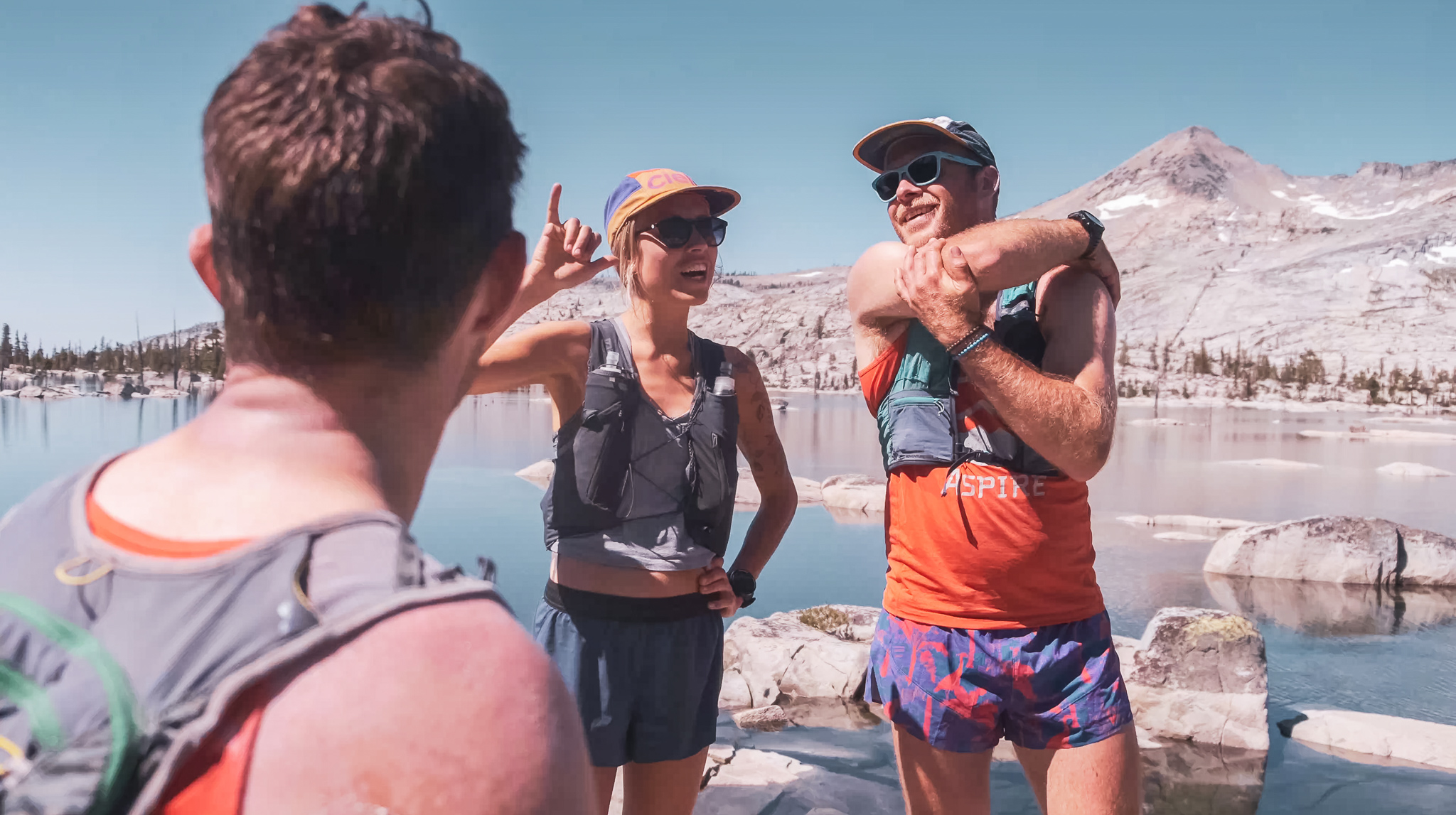
A runner strides across the granite of Cathedral Pass in Yosemite National Park at dawn.
Aspire Adventure Running, in collaboration with coach Andrew Fast, has created 2022’s Spring Training Community program. The training plan includes elite concepts for every athlete and monthly webinars that give participants a chance to come together for further insight. The webinars feature presentations from Andrew and special guests discussing fueling, use of technology in training, ways to improve recovery, and the power of mindset. The intent of this program is to lay down a solid foundation of base fitness in preparation for spring and summer objectives.
Two Aspire staff members soak in the North Cascades.
I’m working with an athlete who is running a 50 kilometer trail race in August. Though motivated, she is busy. As a successful businesswoman averaging 60 hour work weeks and family engagements with her two school-age daughters, fitting in training runs and the needed recovery can prove to be challenging. This athlete profile is common; motivated and disciplined but short on time. Two primary goals surface when it comes to helping this athlete: (1) longevity and (2) repeatability.
When training load begins to ramp up for the above athlete, so too does the importance of developing (or re-developing) a sustainable ebb and flow between life and training. We are not monks. We have jobs, families, and life outside of training. The discipline dial can’t be turned up to 100% year round. But there does come a time in preparation where we want to give a little more of ourselves in the form of little things that go a long way; habits. Here are my top 12 habits for longevity and repeatability:
Be considerate. Training is important, we know this. But it shouldn’t impact everyone around you. If you’ve got a run on the schedule and are going on a long drive to a soccer tournament or weekend away–get out of the car 10 or so miles before the destination and run it in. We run in an effort to be the best version of ourselves. Do your best to not let it be at the expense of others.
Pack your kit the night before. Laid out or packed and by the door. Early morning and uncaffeinated is not the time to be looking for your lucky socks.
Early to bed, early to rise. Sleep is dope. Sleep is the single most performance enhancing thing you can do for your body and mind. If you get run down then consistency suffers. When working with a lower volume program, consistency is even more important.
Clarity: Know your “why”. Spend some time thinking about your true motivation for training (process oriented or results oriented). Be mindful of where training fits in your overall life, keeping this symbiotic balance in perspective and remembering that for nearly all of us it’s about being healthy and having fun.
Set the bar low. Set your training targets a little below what you think is feasible. You will feel better consistently hitting modest targets rather than slightly missing your targets. I am constantly giving athletes reassurance that it is okay to cut things back.
Fuel yourself. On Sunday, do food prep for the week and eat fresh fruit in the office. Don’t create a food oasis. Have what you need at the ready and don’s skip the post training fueling window! Rought fueling guidelines: 45-60 grams of carbs/hour & 70-75 grams of carbs after longer sessions (3hrs+).
Abram preps the acorn squash for runners at Territory Run Camp.
Discover and trim unnecessary time activities. In each of our lives, we’ll have areas of dead time that we might be willing to give up in order to get an extra 30 minutes into our day. .In my mind this directly relates to sleep and social media; if you must get on social media do it when you want to be fired up (in the morning) and not when you’re trying to down regulate (right before bed).
Have a plan. Macro and micro. Macro: season goals and a plan to get there. Micro: session goals. Show up rested and ready to work. Intensity and duration is written into a session for a reason. Internalize what the goal of the session is before you start the workout.
Train at the appropriate intensity for your session goals. It’s tempting to seek to increase benefits by increasing intensity — however, your physiology is not impacted by the number of weekly hours you have to train. Be wary of simply making yourself more tired, rather than more fit.
Set expectations that match your reality. Match your performance goals to your ability to commit. I look at time allocation as a pie chart; what percentage of the pie goes to career and family and training? Draw it out and make sure your expectations match your true bandwidth.
Runners take a break from the climb up McGregor Mountain and enjoy the views. Stehekin Rendezvous.
The above list isn’t comprehensive and I’m certain some of you have other habits you’ve found to be useful. Let’s hear ‘em! Send me a quick note with your top habits that have worked well for you in the past–chances are there is someone in our Spring Training Community who might benefit from implementing them. Email me: fastafast@gmail.com subjective line: HABITS and I’ll start our next meeting by sharing submissions (anonymously) with the group.
Yours in sport,
Andrew
March’s STC webinar focus is Fueling Essentials: The Specifics for Training and Endurance. Our guest speaker will be Chief Product Officer for Gnarly Nutrition Shannon O’Grady, PhD.
Join the Spring Training Community to receive the training plan and access the webinars. We’re looking forward to training with you!
Andrew works in Sports Medicine and Performance in Park City with the US Ski & Snowboard Team, USA Cycling, and Project Podium, a Team USA Under 21 Triathlon Development program. He has volunteered at the Olympic Training Center in Colorado Springs, worked with world-class runners in Mammoth Lakes, California, as well as raced and trained with elite-level athletes. Andrew earned his Doctorate of Physical Therapy from Franklin Pierce University in 2015 and started racing as a professional triathlete in 2013. As a clinician, Andrew is most interested in lower quarter biomechanics.
If you are interested in working with Andrew as a personal coach, reach him via email: fastafast@gmail.com or via social media: @fastafast.
Runners sit across the valley from Half Dome in Yosemite National Park
The Why’s and How’s of the Spring Training Community
Aspire Adventure Running, in collaboration with coach Andrew Fast, has created a 2022’s Spring Training Community program. The training plan includes elite concepts for every athlete and monthly webinars that give participants a chance to come together for further insight. The webinars will feature presentations from Andrew and special guests discussing fueling, use of technology in training, and ways to improve recovery, and the power of mindset. The intent of this program is to lay down a solid foundation of base fitness in preparation for spring and summer objectives.
On the climb up Sourdough Mountain, North Cascades National Park
Mid-winter to early spring is my favorite time of year. Trip plans are made, race registrations open, and longer, warmer, brighter days feel not-so-distant. Big objectives on the horizon – like circumnavigating Mt. Rainier on the Wonderland Trail, The Lost Coast, Yosemite Backcountry, or a traverse of the North Cascades – generate a sense of excitement that fuels preparation.
Common questions arise: “How much training should I be doing?” “What should I prioritize?” “When should I rest?” “ How many calories per hour!?” Having a coach takes care of these questions for you, in essence, answering the how.
And figuring out the “what” is simple – any trip or rendezvous on the Aspire tick list is bound to be world class. Let’s be honest – endurance oriented objectives are hard. When the going gets tough, like on those early morning training runs or at the crux of a climb late in the day, having clarity on your why is what will carry you through. The role of the coach is to alleviate the athlete of any guesswork in preparation.
Training itself needn’t be complicated or inundated with technology and gadgets. Endurance is a ‘blue collar’ sport; layers of fitness stack up over time for the athlete willing to do the work session to session and week to week. A common phrase you’ll hear from me: “Only increment what needs to be incremented.” There is a time and place to add volume, intensity, and get tired (density). It is the role of the coach to know when to turn those dials up or down.
Within 2022’s Spring Training Community program you’ll see two major blocks: Base Phase 1 and Base Phase 2. The first block can be thought of as the foundation upon which we build the house, with an emphasis on easy volume and building durability through repeatable sessions and strength training. After the half way point we transition into Base Phase 2, where the variable of interval work is added into weekly waves. The primary difference between Base Phase 1 and Base Phase 2 is the number of ‘hard’ sessions per week and an incremental bias towards specificity. At the end of this plan an athlete will have enough hay in the barn (fitness) to transition into the Competition Period which is effectively maintaining form via 1-2 hard sessions and 1 longer session per week until their target event.
I genuinely look forward to the opportunity to train with you!
Yours in sport,
Andrew Fast
Join the Spring Training Community to receive the training plan and access the webinars. We’re looking forward to training with you!
Andrew works in Sports Medicine and Performance in Park City with the US Ski & Snowboard Team, USA Cycling, and Project Podium, a Team USA Under 21 Triathlon Development program. He has volunteered at the Olympic Training Center in Colorado Springs, worked with world-class runners in Mammoth Lakes, California, as well as raced and trained with elite-level athletes. Andrew earned his Doctorate of Physical Therapy from Franklin Pierce University in 2015 and started racing as a professional triathlete in 2013. As a clinician, Andrew is most interested in lower quarter biomechanics.
What’s the driving force that motivates you to lace up your shoes and hit the dirt?
Ask a trail runner what gets them out there and you’ll hear a wide range of answers. Waking up in the early morning light while the rest of the world sleeps, taking the mid-day run break, or hitting the trails in the evening with the run crew – whatever the reason, we runners are motivated to intentionally carve out that time to move our bodies, breath the fresh air, and commit to a time of presence on the trails.
Connection with ourselves.
For many, running is the one moment of peace in their day amidst the norms of a go-go-go society full of deadlines, meetings, expectations, endless notifications, and responsibilities. It’s a simple moment to catch their breath, tune out the outer noise and take a moment to, hypothetically, slow down.
We seek solitude for the endless miles of reflection, a mindfulness practice, and a way to return back to ourselves. We take time on the trails to work through difficult emotions, life stressors, and personal challenges. We use the solitude to release, let go, explore new ideas, and simply be. It’s clear that the strength and determination developed during the physical and mental challenges trail running presents translate into other avenues of life.
Then comes running to push oneself – mentally, physically, emotionally and spiritually. In running, we break through self-imposed limitations, building greater resiliency and opening up the capacity for running limitless through the adventures of life. We train long and hard and continue when it’s easier to quit. We set lofty goals that are seemingly out of reach, but continuously challenging ourselves teaches us that with hard work and effort, anything can be achieved.
Connection to each other.
Along with a chance to connect to ourselves, running creates an opportunity for friends to come together. Having a strong foundation of like-minded friends built around a love for outdoor movement and the trails can also mean having a go-to crew for early morning weekend escapades, friends crazy enough to sign up for big races together or be a support crew – friends always game for an epic adventure!
Running can also be a vehicle for change. Through protest runs and fundraising, runners are using our sport as a stepping stone for activism and inclusivity. This work is helping bridge the gap between years of inequalities outdoors, incrementally changing that narrative in the outdoor industry and reality of what it means to recreate outside for marginalized people.
Connection to the Wilderness
For many, trail running is true exploration – a way to use the miracle of the body as a vehicle of discovery in new terrain. Our feet carry us to high peaks with jaw dropping vistas and deeper into pristine, wild places. This exploration generates an inner sense of playfulness, a way of seeing the world through curious and fresh eyes. The wild spaces we inhabit encourage a giddy, child-like sensation of joy, play, and wonder.
Hitting the trails is a great way to expand outdoor skills. Whether it’s a seasoned endurance athlete brushing up on mountaineering skills to travel faster through technical terrain, or someone starting at square one by learning navigation skills, fueling techniques and risk management in outdoor settings, expanding our skills increases confidence and our access to the places we love.
One of the most beautiful parts of each individual’s motivation to run, is that the same sense of wonder and exploration found in the long, expansive mountain trails, can also be found on the neighborhood trails you run each day. The same joy you find running with friends, can be just as meaningful and important on your solo runs. A 3-mile run through the same neighborhood can feel just as impactful as a big day out in the mountains.
That’s the true beauty in perspective, individuality, and finding a personal sense of meaning through trail running. Each experience and motive is unique, admirable, and profound.
It’s a healthy mix of all of these factors that bring us back to the trails time and time again. In a sport built on a communal love for the miraculous movement of our bodies through the wonder of the natural world, what matters isn’t why you run… only THAT you run.
Aspire’s trip calendar has every runner. What motivates you?
We look forward to sharing miles and motivation with you!
Kara Folkerts is a plant powered trail runner, sustainable travel advocate, yoga teacher, and passionate about all things sustainability, travel, health, and outdoor movement. Originally from Canada, Kara has spent the last few years exploring and living abroad in various countries across the globe before joining the Aspire crew in 2020. Kara has been guiding various trail running, sustainability, and health retreats internationally since completing her undergrad in Ecotourism and Outdoor Leadership. With all of these experiences, she seeks meaningful connections with others, loves to learn of new cultures, and fosters the mindset of a lifelong learner. With a big heart for trail running and exploring wild places, she’s always stoked to get out there with others.
Taper time… maybe head out to an island with some reading materials?
I’d like to start this final post with a little brain exercise. When I say ‘taper’ what comes to mind for you? Does the “Scream” emoji (or the actual painting) pop into your head, complete with echoing shriek? Or- do you think yessssss!!!!! Now I have an ironclad excuse to sit on the couch, Netflix, and eat ice cream. Every. Single. Day.
In my humble experience, there’s not a whole lot of middle ground where tapering is concerned. Either you love it or you despise it. You either can’t wait to reap the rewards of your hard training and basically just grow into the couch until the big day, or you develop a pacing habit and get irrationally angry at the littlest things because you’re not training.
I have witnessed many a stellar teammate and competitor deny themselves what could have been an equally stellar competition or event by not respecting the tapering period. Too often athletes, when feeling at peak fitness and peak recovery, will try to sneak in one last hard workout (often to validate that they are, in fact, ready for their upcoming goal) only to push themselves over the edge5,7.
It’s a really heartbreaking thing to witness, especially knowing months and years of training have gone into planning for a culminating event. Some people may repeatedly disregard tapering and adopt the view that mere hours of decreased training is good enough, but for most of us the physiology of recovery is undeniable. We need quality rest for quality outcomes7. There are smart ways to approach tapering that will allow you to seek the best possible outcome, regardless of whether you’re a racer or not. There’s also a plethora of things to consider when you’re trying to figure out how long you should taper for. The most obvious is the duration of your goal race or event, but consider also if you have other, less important (but still sizable) training goals throughout the season. Should you taper before each of those too? What about strength and speed workouts in the taper period? These are all topics we’ll tackle here to take some of the mystery out of tapering and hopefully quell some of your taper tantrums…if you’re inclined in that direction.
Maybe crack open a tasty adult beverage?
When you’re planning your running season, it’s great to have a couple of target events in mind, with one in particular being the goal event/race that you’ll plan to take your most serious taper for. Again, these do not need to be races, but can simply be epic trail runs you want to be in tip-top shape for. Regardless of whether it’s a race or a solo epic mountain outing, having a couple of different goals throughout the running season will break up the season into distinguishable training blocs and help organize your taper period(s).
We will get into what exactly the tapering training volume might look like later, but let’s just roll with the target events for now. Ideally you’d grade these events by priority, with ‘A’ being the topmost in importance, ‘B’ being secondary and so forth. Lots of runners will have an A, B, and C event lined up for their running season, and will train right through the C event (essentially allowing no extra or special rest) for this event4,5. This means that going into your C run you’ll have a clear idea of what your training goal is, and you’ll stick to it, not overextending or getting swept up in an ego battle. And if you’re racing, you’re probably not aiming to go out guns blazing for a podium finish. Essentially, the C event ends up being some form of race, epic, or supported trip (Aspire anyone?!!!) that probably has a defined distance, will ideally mimic some of the terrain and conditions of your ‘A’ event, and is worked seamlessly into your training plan. Meanwhile, a ‘B’ event is one that will demand some recovery pre and post event. For example, if your B event is a 100K run (with your ‘A’ event being a 100 miler 2 months later), you’ll need to plan a moderate taper pre-100K. Oftentimes within distances of 50 miles or less, one week of tapering is sufficient. 100K can be a tricky intermediate distance, and someone with years of solid base training may feel comfortable with a week of tapering, whereas someone brand new to the distance might want to be more cautious and look at a 8-10 day taper period. Keep in mind, taper does not actually mean total and complete sloth-like inactivity (despite what my intro might have alluded to). Lastly, the ‘A’ event is where you’ll have a prolonged and defined taper period lasting several weeks. This is where you’ll really need to try your best to stick to your tapering plan. For events like 100 milers you might expect a 2-3 week taper period depending on the athlete.
So, what does training volume actually look like for tapering? In a word: less1,2,3,7,8. In this article I will be focusing on folks looking to go long, meaning 50-100+ miles. Tapering for shorter distances like marathons, half marathons, and 10Ks is a whole different arena for which I can claim no special theoretical expertise. I do however, speak from experience, practice, and study when approaching tapering theory for the longer distances.
Don’t worry, you can still eat ALL the tacos.
For those who’ve been following along over the past months you knew this was coming at some point… this is where the requisite science lesson makes an appearance! When we train, our bodies become fatigued; there’s continual tissue damage on a microscopic level in addition to constant physiologic and musculoskeletal adaptation. The ‘off’ days we take throughout training allow for periods of recovery to occur, for our bodies to assimilate the training load being placed on it, and for us to get fitter, stronger, and more adaptive to the stressors of trail running1,4,5,7. The tapering period capitalizes off of this progressive tear down and build up cycle and is sometimes referred to as the supercompensation period. This means that all those corny sayings like ‘the money’s in the bank!’ or ‘the hay is in the barn’ actually apply here4. You’ve done the work to earn the fitness, and now you need to be judicious about how you spend all that hard earned cash, a.k.a. endurance potential. The aim then is to hold on to as much of that peak fitness and strength you’ve achieved while also shedding some of the fatigue that always accompanies hard training.
Generally speaking, in a three week taper period you can plan for 50-70% of the volume of your biggest training week for your first taper week and decrease from there2,3,6,7 (More detail below). Additional things you’ll want to consider: drop the strength training down to 1-2 times per week then eliminate it all together for the last week. Any speed or hill workouts should be done with ample recovery allowed for within the workout, and ideally would comprise no more than one training day of each week. You’ll want to make rest and recovery a priority1,2,4,7,8. This is the time where, if you’re feeling unmotivated, lethargic, or just can’t fit in your planned run then don’t.
Resting at this stage rather than creating additional stress for yourself will pay big dividends. If you’re handling your taper period well you can maintain a reduced version of your preferred long run(s) to prevent losing an undue amount of the aerobic fitness you’ve gained. This may seem contradictory to what I’ve just said regarding focusing on recovery, but this bit applies to runners who have had an injury free training bloc, are feeling motivated, rested, and ready to go. If you fall into that category still remain cautious that you don’t overdo and leave yourself wanting on your goal day. Below are some possible scenarios that you might apply to your own training to taper for your ‘A’ event. These are guidelines for runners who are newer to the following distances might use, or for those who have less than 5 years of continuous base training.
50 mile -100K distance
Biggest training week volume = 90km (50 milers)/ 105 km (100K runners)
Taper Week 1:
Total Distance: Biggest Week x 70% = 63 km (50 m)/ 73 km (100k)
Strength: 1-2 workouts, focus on functional strength, lower weight and higher reps
Speed/Hills: 1-2 workouts, allow for equal recovery time between repeats
Long Run: 50% max of average ‘medium week’ long run
Taper Week 2
Total Distance: Biggest Week x 40-45%= 40 km (50 m)/ 42 km (100k)
Strength: 1 workout, decrease weight and repetitions
Speed/Hills: 1 workout, allow for extra recovery time between repeats
Long Run: 35% max of average ‘medium week’ long run
Taper Week 3
Total Distance: Biggest Week x 35%= 31 km (50 m)/ 36 km (100k)
Strength: None
Speed/Hills: 1 curtailed workout maximum, consider pick-ups instead of hills
Long Run: Less a true long run and more an easy distance run
Week 4 = Pre-Event/Run Week
Sleep as much as possible
Eat well and enough, but don’t be adventurous with your gut
Re-check gear, travel plans, routes, forecasts
100m distance
Biggest training week volume = 130km
Taper Week 1:
Total Distance: Biggest Week x 40% = 52 km
Strength: 1 workout, focus on functional strength, lower weight and higher reps
Speed/Hills: 1-2 workouts, allow for equal recovery time between repeats
Long Run: 40% max of average ‘medium week’ long run
Taper Week 2
Total Distance: Biggest Week x 35%= 45 km
Strength: 1 workout, decrease weight and repetitions
Speed/Hills: 1 workout, allow for extra recovery time between repeats
Long Run: 30% max of average ‘medium week’ long run
Taper Week 3
Total Distance: Biggest Week x 20%= 32 km
Strength: None
Speed/Hills: No specific speed or hills, only pick-ups early in the week
Long Run: Easy Distance
Week 4 = Pre-Event/Run Week
Sleep as much as possible
Eat well- and make sure to eat extra in the week leading up to your big endeavour, but don’t be adventurous with your gut
Re-check gear, travel plans, routes, forecasts
With the rough guidelines above you should be able to get an idea of which direction to take your taper in, as well as how to plan smaller recovery sessions throughout the season. Bear in mind that everyone recovers differently, and that tapering is an absolutely individually honed process. For example, years ago before my first 100 miler I was dutifully following my tapering plan through week one, but then a heat wave hit and I felt absolutely wiped out. With a little over two weeks to go before the big day I had a hard time motivating to get up at 3 am to run when the temperature was bearable. So, I mostly just didn’t run at all for the weeks leading up to the race. Instead I went to work, came home to sit in an ice bath, ate A LOT, and slept even more. I would be lying if I said that, even knowing it was the right thing to do, all that inactivity didn’t make me pretty anxious. I felt like my fitness was plummeting and my motivation right along with it. But by the time I showed up at the start line and (many hours later) somehow managed to win the women’s race, I was pretty grateful I had taken it easy leading up to the event. I knew that the excessive heat leading up to the event would take a toll, as did the record-breaking heat on race day. It’s also worth keeping in mind that regardless of whether or not you’re racing, heading into your run a little on the downside of peak fitness is infinitely better than being overfatigued or overtrained. Adrenaline and the bliss that comes from being on the trail will pick up the difference.
These are all things you can ruminate on when you create your perfect taper cocktail. Consider what your end objective is, think about how you might best get there, and plan for those daemons on your shoulder along the way. And remember that above all, we are all absolutely privileged to be running in such wild and beautiful places- so don’t forget to enjoy the journey along the way.
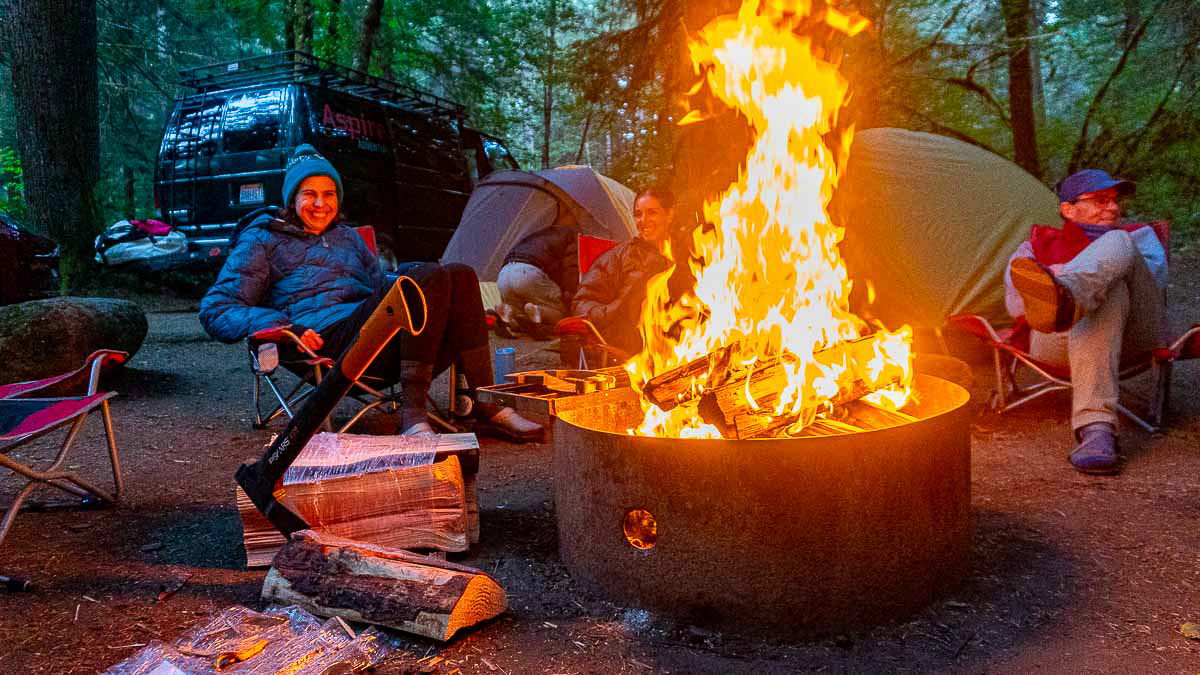
If all else fails, sit by a campfire in some low-rider camp chairs. You won’t be able to get up, even if you want to.
References:
Bosquet, L., Montpetit, J., Arvisais, D., & Mujika, I. (2007). Effects of tapering on performance: a meta-analysis. Medicine & Science in Sports & Exercise, 39(8), 1358-1365.
Henderson, Z. J. (2016). Peaking and tapering in endurance athletes: a review. The Post, 1(1).
Houmard, J. A. (1991). Impact of reduced training on performance in endurance athletes. Sports Medicine, 12(6), 380-393.
House, Steve, and Scott Johnston. Training for the New Alpinism. Patagonia Books, Ventura, California, 2014.
House, Steve, Scott Johnston, and Kilian Jornet. Training for the Uphill Athlete. Patagonia Books, Ventura, California, 2019.
Mujika, I., & Padilla, S. (2003). Scientific bases for precompetition tapering strategies. Medicine and science in sports and exercise, 35(7), 1182-1187.
Murach, K. A., & Bagley, J. R. (2015). Less is more: the physiological basis for tapering in endurance, strength, and power athletes. Sports, 3(3), 209-218.
Pyne, D. B., Mujika, I., & Reilly, T. (2009). Peaking for optimal performance: Research limitations and future directions. Journal of sports sciences, 27(3), 195-202.
Recovery dinner on the beach, lot’s of greens to boot!
Have you ever busted a chain on your bike? I don’t recommend it. Once, during a xc mountain bike race, I was pumping hard uphill in a good position, when all of the sudden…”ping, whip!”, my chain snapped and came flying off.
My knee came down hard on my top tube, and I hobbled my bike to the side of the trail, collected what I could of my broken chain, and did the walk of shame back to the finish line. Needless to say, the podium finish I was hoping for did not happen.
Just like a faulty chain on your bike could cost you a race, or at the very least, screw up your plans for a fun ride, inadequate fueling and poor nutrition habits could turn your long run into a death march.
For big days in the mountains, it’s important to have your pre, during, and post run fueling strategy dialed in. No weak links, right?
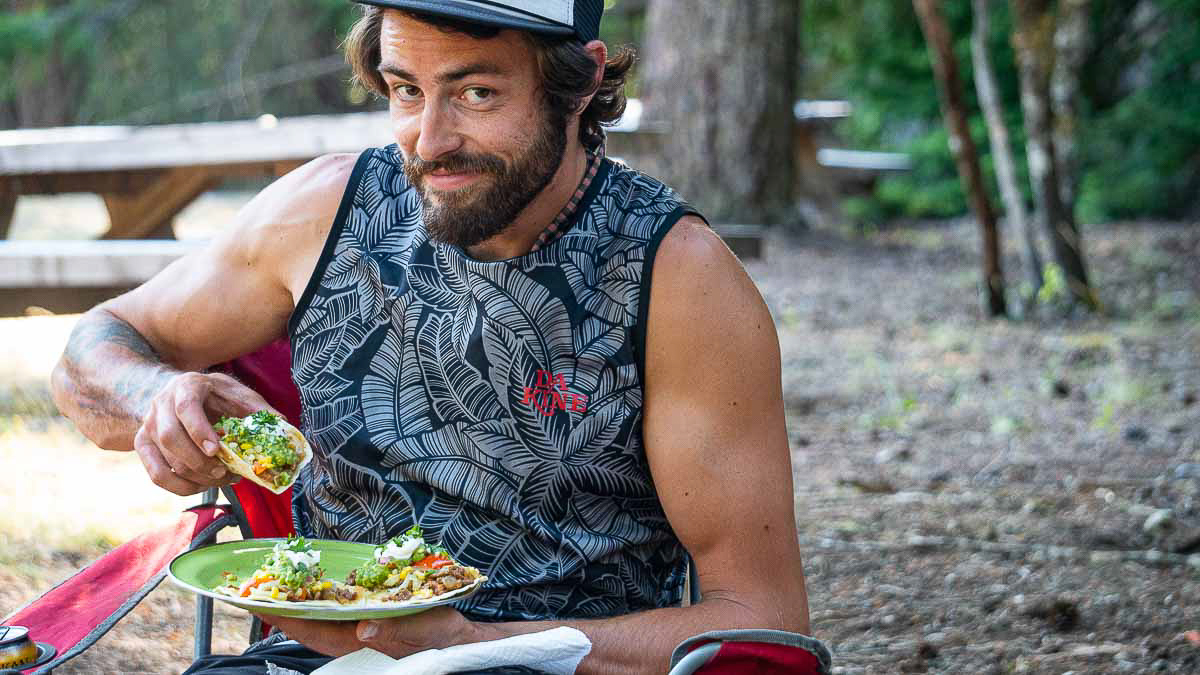
Tacos, fully loaded.
What to eat BEFOREa big day in the mountains:
The main focus of your fueling strategy before a long run should be to top off your glycogen stores (the storage form of carbohydrate) in your muscles and liver.
By focusing on carbohydrate intake the night before and morning of a big day, you’re essentially topping off your gas tank before you hit the road – you’ll be able to fill up along the way, but it’s nice to start out with plenty of stored carbs that your body will use for high intensity exercise.
I always suggest that endurance athletes eat normal-sized meals (you don’t want to be overstuffing yourself) that include complex carbohydrate sources like rice, noodles, potatoes, other starchy veggies and whole grains.
For example, maybe the night before a big day you could eat sweet potatoes, rice, and veggies, and then the morning of, you could eat some oatmeal, granola, or toast.
One thing that’s important to remember is that the closer you get to actually starting your run, the smaller portion you should eat. Two hours out? A full, normal sized meal should be ok. 20 minutes before? Something smaller like a half a banana or a granola bar might be a better idea.
It’s also important that you go into an event hydrated (but not overhydrated – your pee should be yellowish clear), and that you avoid high-fiber foods, as well as excessive fat and protein.
French toast for the carbs, berries for the antioxidants, whipped cream for the YUM!
What to eat DURING your big day out:
During a trail run, or ultra-type event, you’re most likely going to be hitting a couple different intensities and paces.
At lower intensities (heart rate zones 1-3), your muscles are going to be primarily using stored body fat for energy. Even someone with relatively low body fat % could have over 100,000 calories stored as fat that they can tap into.
At higher intensities (zones 3-5) your muscles REQUIRE carbohydrates to function optimally. That’s why it’s important to make sure to have carbohydrate sources with you so you can refuel. “Bonking” or “hitting the wall”, is when a runner has burned through all of their stored carbs, and is practically forced to bring their intensity level down. Bonking in the backcountry can actually be pretty dangerous.
In general, it’s recommended that for a run or adventure lasting more than an hour, your fueling strategy includes carbs every hour. Depending on duration and intensity levels, trail runners can benefit from anywhere from 30-90 grams of carbohydrate per hour.
For back-to-back, stage-race-style running, the higher end of that scale is probably best.
So what does that look like?
Well, there are plenty of carbohydrate sources that a runner could eat during a big day. Everything from energy gel (20-30g of carbs) and sports drink (40-50 g of carbs) to a classic PBJ or a potato wrap. (50-70 g of carbs).
Practice makes perfect with endurance fueling, and you’ll have to play around with different sources and amounts of carbs to see what works best for you.
Working for it requires eating for it.
What to eat AFTER a long effort:
Following a long or more intense effort, it’s really important to make sure you are re-fueling well, so your body has the building blocks it needs to make adaptations. This is even more crucial when you are doing multiple long runs or adventures on back-to-back days.
If you’re still feeling extra sore and beat up from yesterday, today’s effort isn’t going to be near as fun.
There are 4 primary aspects of recovery nutrition that I recommend for your fueling strategy:
1. Rehydrate (that’s a no-brainer)
2. 20-30 g of protein, especially the amino acid Leucine
3. At least 20-30 g of carbohydrate
4. Foods rich in antioxidants, such as berries, greens, and spices.
Including those nutrients in your recovery meal will give your body the building blocks that it needs to recover well and make the physiological adaptations that lead to better fitness.
This recovery bowl is calling to me right now.
An easy go-to recovery food is a smoothie. You can put plenty of carbohydrates (bananas, berries, citrus, fruit juice), protein (soy milk, dairy milk, nuts and seeds, protein powder), and antioxidants (greens, berries, spices) in a smoothie that make it a recovery powerhouse.
To sum it up:
Before = carbohydrate
During = carbohydrate
After = carbohydrate, protein, and antioxidants
If it feels intimidating to start incorporating every aspect of fueling into your plan, just start with one aspect. If you haven’t been eating before your long runs and adventures, start by trying to dial that in. With time and practice, you’ll be able to find a fueling strategy that works for you so you can feel strong, fast, and enjoy doing what you love.
Editor’s Note: Nutrition on Aspire Trips
Food is an integral part of Aspire trips. Running with us means highly nutritious meals calibrated to impress your taste buds and prepare your body for (often back to back) days on the trail.
Expect mornings packed with carbs and just the right amount of protein. Lunch is build your own sandwiches and wraps with a wide array of fixings, accompanied by an ample stash of all the bars, gels and electrolytes you’ll need for your trail miles. Dinners are nothing short of revelatory, but we won’t spill the beans on the menu just yet.
Special dietary needs? Let us know and we’ll make sure you’re taken care of. Favorite beverages, bars, or snacks? We do that too!
We’re looking forward to breaking bread together! For more info, take a look into the Aspire kitchen on the blog.
Vic Johnson loves moving through wild places as efficiently as possible, and his goal is to help other outdoor athletes do the same.
He’s taught nutrition education to collegiate sports teams, and has coached triathletes, mountain athletes, and runners throughout the world. Learn more at www.mtnsportsnutrition.com.
A runner covers ground on the North Cascades Traverse.
Most runners who’ve been at it for a while will unfortunately feel that tell-tale twinge somewhere in their bodies that eventually turns into a full-blown injury.I’ve been there; a lot.
Whether it’s an ankle sprain or a knee strain, Achilles tendonitis or a stress fracture, it’s no secret that injuries are devastating to runners, regardless of what level you run at. The internet is awash in information- some of it really good, some of it really not so good, about what to do when injured. An important (and often overlooked) topic to consider is what happened along the way that gets us runners to the point of being vulnerable to developing injuries3. Patterns of persistent weakness, compensation, and a “no pain no gain” mentality often land athletes in the doctor’s office when it’s already too late3,5,13. Here we’ll take a look at some injuries that are ubiquitous in the running world, and some things to watch out for leading up to these issues.
It goes without saying that runners of all flavours get injured. All the time. Every distance from the 100m dash to the 100 miler incurs its own special set of injury risks, and trail runners are no exception. Sure, the softer surfaces of single track and scree are always better than pounding the pavement. But just because we trail enthusiasts often go to extreme lengths to avoid the track or the asphalt doesn’t mean we’re immune to all the same pitfalls other runners face. Sometimes it can feel like maddeningly brief periods of blissful trail cruising between one injury recovering and another rearing up.
My mother has been a constant training partner over the years (on her 60-year-old single speed Schwinn – no joke) and a voice of supremely logical reasoning. She has always astutely commented on why a myopic, mono-sport devotion rarely leads to athletic longevity. She is right. Runners need time off, they need to cross train, they need to do all the non-running things that will ensure they can keep running for decades into the future.
But it’s hard. There is nothing I would love better than to run 365 days a year, decade after decade. From the time I was a competitive gymnast in primary school all the way up to the current day, my mom has rightly interrogated my compulsion for excessive loyalty to a single sport. All this from a lady who is not a runner nor a trained coach but has a beyond normal capacity for level-headed decision making, an invaluable outsider perspective, and doesn’t suffer from a running addiction. What I’m getting at here is that sometimes the most honest reflection of what’s in your own best interest comes in the form of a wakeup call from an injury, or from a highly perceptive parent, coach, or spouse.
There are an infinite number of ailments trail runners might be hit with, but here we’ll go over a couple of the most common ones and some of the likely musculoskeletal imbalances and weaknesses that lead up to said injuries. You’ll notice a lot of crossover and commonality in symptoms and likely weakness patterns in the injuries listed below. I should stress here before jumping into the following overviews that whilst a lot of runners do encounter injury, just because you have a post-run twinge does not automatically equate to catastrophic or even moderate injury. Try to be critically self-evaluative. Channel that inner ‘mom calm.’ Ask yourself how long you’ve experienced symptoms, if you’ve had any incident or event that escalated your problem, and if it has been unresponsive to cursory rest and time off. If you feel your issue isn’t improving with rest, icing (if appropriate), cross training, and other self-care then give a thought to whether or not you’re headed for injury. It’s a delicate balance between not manifesting something that isn’t there and equally not living in ignorant bliss about what might be brewing.
[Quick Note: The following provides general information to those reading but is in no way intended to diagnose any ailment, prescribe treatment, or predict rehabilitation outcomes. Please always talk with your Primary Care Physician, PT, or other healthcare provider for clinical assessment and treatment].
Plantar Fasciitis
What is it?
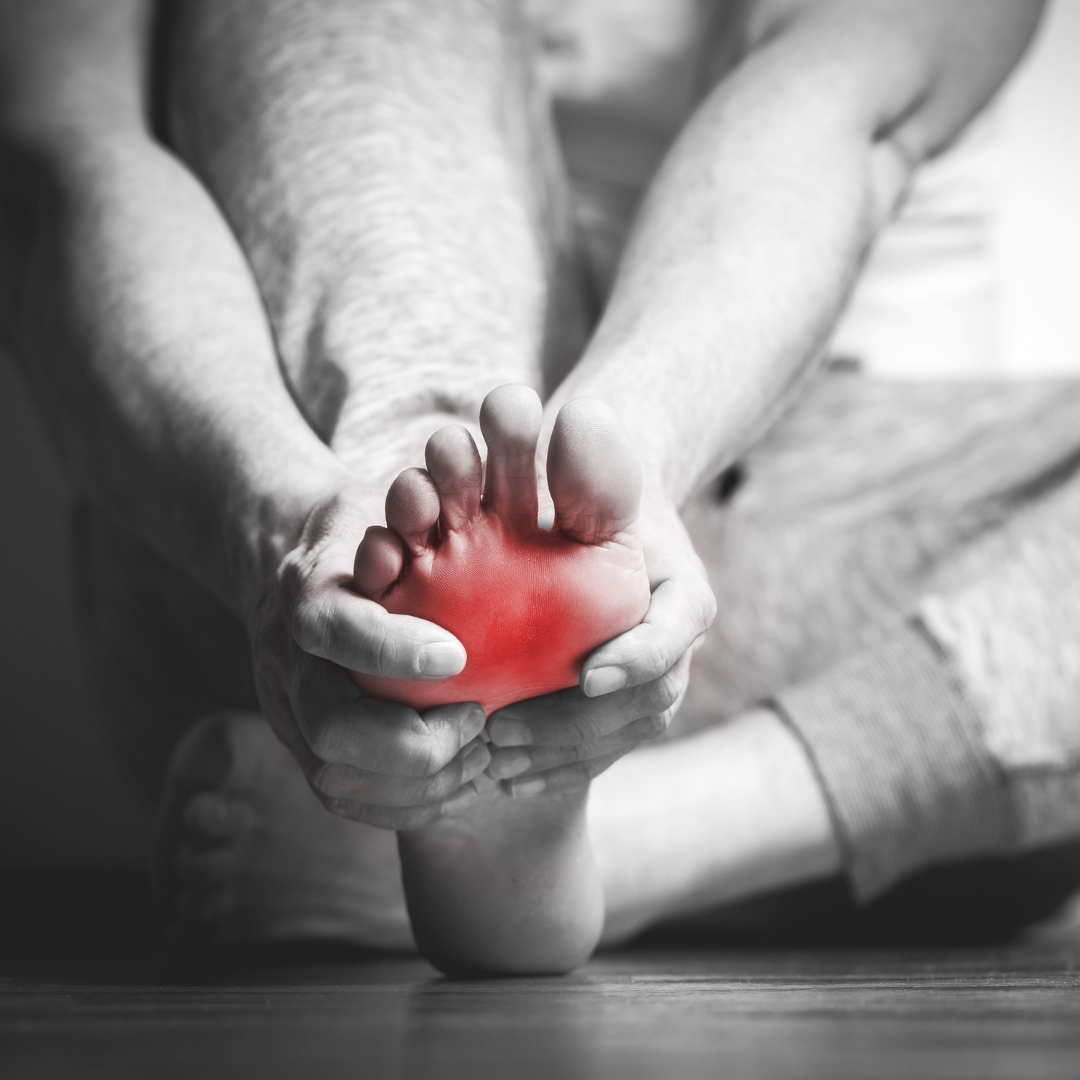
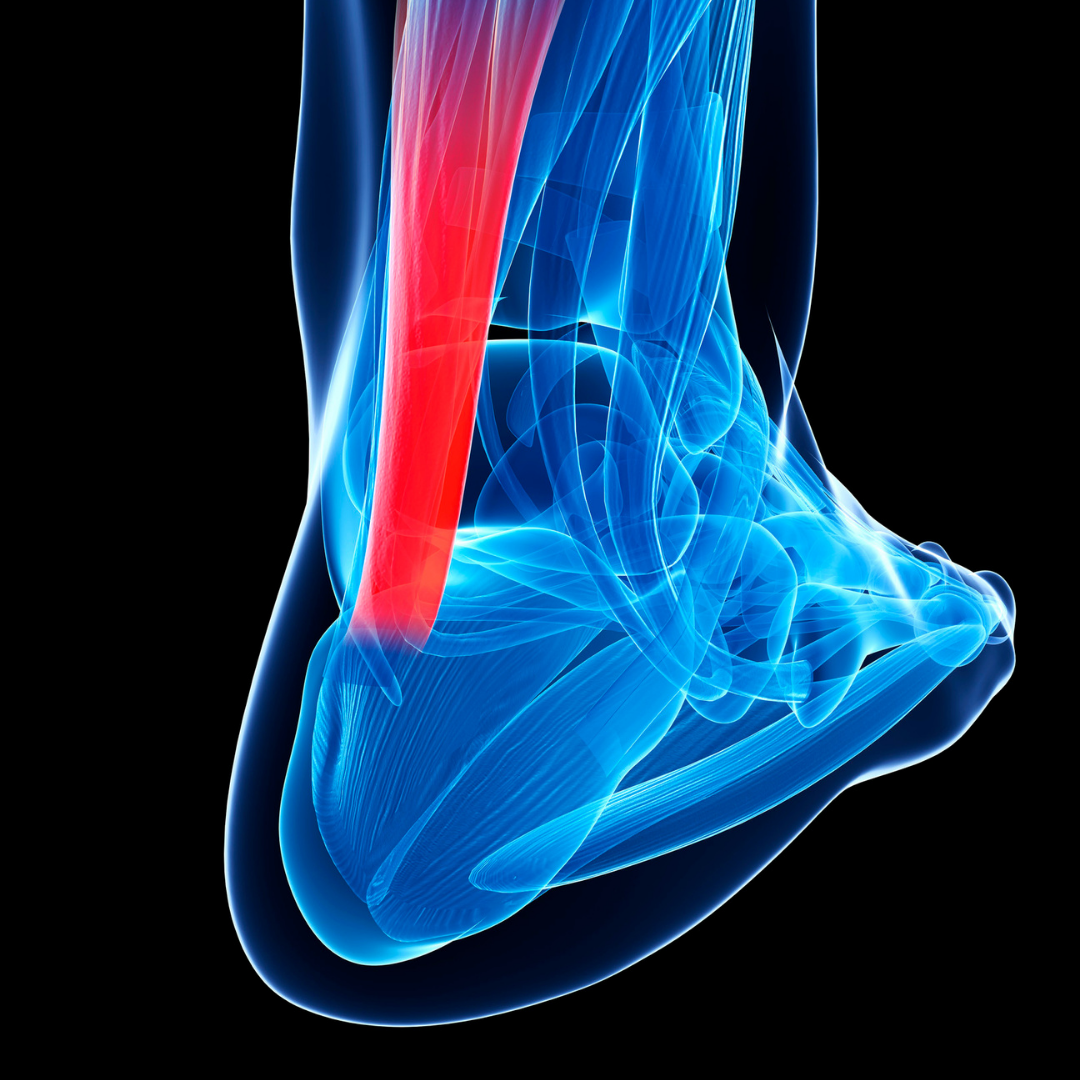
This is a condition of persistent irritation and subsequent inflammation of the fascia on the underside of the foot3,4,7,8. The plantar fascia is a multilayer of fascial tissue that has anchor points throughout the toes, tarsals, and foot arch and attaches to the Achilles tendon at the calcaneus (heel) bone15. From the Achilles, fascial connections can be traced further into much of the posterior lower leg compartment and plantarflexor musculature15.
Fascia used to be treated as a throwaway tissue by many surgeons, but in recent decades significant research has shown fascia is highly innervated15, important for internal structural support and more complex than we first thought. This is great to know, because understanding that a tissue can alter the bony structure around it or convey pain signals to the brain when it’s injured is key to solving problems with it. When a runner has plantar fasciitis it’s often characterized by early morning onset of pain and stiffness in the arch, pain at the heel, and the inability to put your full weight onto the affected foot (which requires the plantar fascia to stretch under your bodyweight)7,8,12.
What can cause it?
Running on hard surfaces too often, increasing mileage too rapidly, lack of mobility (flexibility) of the foot arch, tight Achilles and calf muscles, poor foot mechanics, improperly fitted shoes and/or orthotics3,4,12.
The plantar fascia itself, surrounding foot fascia, Achilles tendon, Flexor Hallucis Longus (big toe flexor), Soleus, Gastrocnemius8.
What to do?
The best place to begin is to start being diligent about gaining back mobility in your foot and calf soft tissues (active or instrument assisted stretching is great for structures like the plantar fascia)8. This could be foam rolling your calves, using an ice cup on your inflamed plantar fascia post-run, getting manual therapy done to release the calf muscles, and taking some time off. Back off your training volume and tone down the climbing for a bit12,13. Ascending puts incredible extra stress on the plantar fascia, Achilles, and calf, and if your fascia is already inflamed too much climbing before you’ve achieved full recovery could aggravate it further. A good secondary stop along the rehabilitation journey is strengthening the areas you’ve identified as being weak and regaining stability within the pelvis and lower extremity as a whole4,7.
Achilles Tendinosis and Tendonitis(Fun fact: they’re not the same thing!)
What is it?
Achilles Tendinosis is characterized by repeated damage to the Achilles tendon, connective fascia, and paratendon2,3. Tendinosis can cause rigidity of the tendon, pain that’s unresponsive to standard home-treatment, thickening of the tendon itself, or all of the above2. Tendonitis, on the other hand, is typically a result of shorter-term aggravation and has all the hallmarks of a typical inflammatory condition (that’s what the ‘-itis’ suffix stands for). Your Achilles may feel warm and painful to the touch and show edema (swelling) as well. It is important to distinguish between these two conditions because the treatment protocols vary for each1,2,3. Some of the information you may need to definitively know what’s going on with your Achilles can only be accomplished through medical imaging (like a diagnostic Ultrasound or MRI)16.
What can cause it?
Tendinosis is typically due to prolonged, repeated microtearing in the tendon which causes long term degeneration of the tendon. The body lays down a haphazard matrix of scar tissue over these tears, and this scarring appears to create pain in the tendon2. There are a lot of theories out there as to why tendinosis develops and persists in some more than others. Foot mechanics, genetics, tendon composition, previous injury—the list is long1,2.
Tendonitis can arise post-injury, after increasing training volume too fast, or moving into shoes that are not suited to your foot mechanics2,3.
What to do?
The recovery protocol for tendinosis is unfortunately considered to be a much longer slog than that of many other musculoskeletal injuries1. The Achilles is a unique tendon for a lot of reasons: in anatomical design, physiological function, and biological composition2. The amount of force it withstands during running is absolutely incredible (many multiples of your body weight)15. So as you might imagine, it takes a fair amount of work to rehab the Achilles. [I should mention here that this sort of complex rehab should definitely be done under the direction of Sports Physician or Physical Therapist].
Achilles tendinoses generally do not respond to the standard RICE (rest, ice, compress, elevate) treatment because the condition is not inflammatory strictly speaking, it’s degenerative2,9. Rehabilitation instead involves eliminating the aggravating activity that is causing repeated injury (sadly this usually means running) for weeks up to months depending upon the severity. You’ll also probably be tasked with making alterations that take some of the stress off the Achilles, like adding a heel lift to your shoe and saying goodbye to those zero drop running shoes you were so excited about. The next step usually is to slowly regain strength in the calf and tendon itself so progressively higher loads can be tolerated without pain16. When you do return to running it will probably be slow and infuriatingly intermittent, or you’ll land right back where you started. Connective tissues in the body need time to adapt to the compressive forces of running after time off, and if you start running at full steam too quickly your connective tissues might not handle the abrupt stress increase well1,3,16.
Achilles tendonitis, while still not a condition to be sniffed at, generally requires shorter treatment time and recovery than tendinosis2. This is an injury that does usually respond well to RICE9. Depending on where you fall on the spectrum of debate with taking NSAIDs, taking an anti-inflammatory to mitigate pain will be up to you and should be cleared with your doctor. (Most clinicians will likely advise you to take some form of NSAID if you hobble into their office with a clear case of tendonitis). With time off from running think about non-weight bearing cross training, strength training, and mobility exercises. With that said, runners can still be side-lined for many weeks with tendonitis or recurring tendonitis if they jump back into training prematurely.
Iliotibial Band Syndrome (ITBS)
What is it?
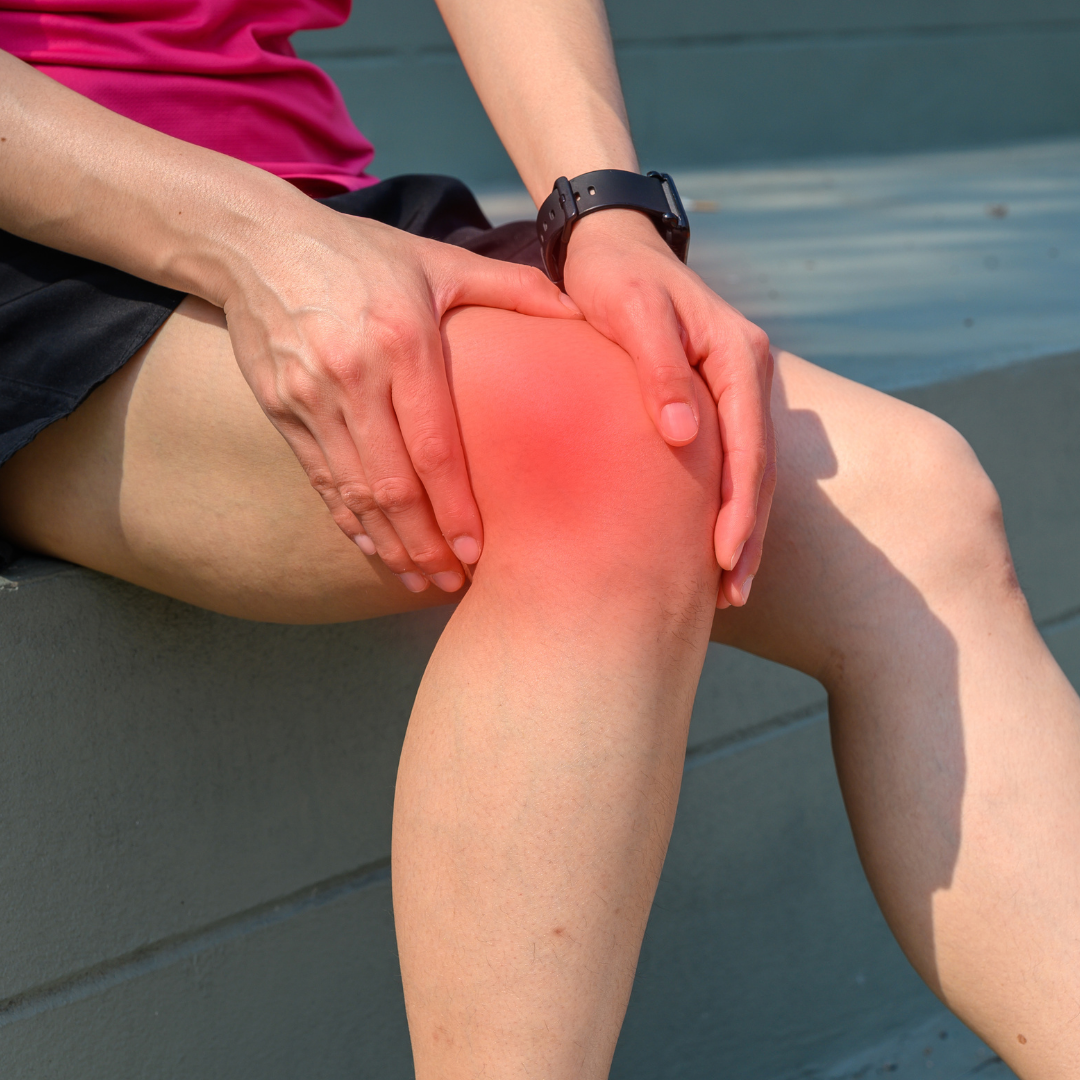
This is yet another connective tissue issue, specifically with the thick band of fascia called the Iliotibial Band (ITB). The ITB runs from the outside of your hip down to the outside of your knee15,18. Most people experience pain with ITBS at the outside of the knee, but the area of inflammation often stretches beyond the localized point of symptomatic pain6. The ITB can rub on the bony prominences of both the femur (thigh bone) and some of the other structures that comprise the knee, and this friction is what causes pretty intense lateral knee pain for a lot of people dealing with ITBS.
What causes it?
ITBS is usually caused by overuse (ie: too much training volume), lack of stabilizing hip strength, poor running form causing misalignment of the ITB, or due to prolonged periods of sitting12.
What’s usually weak?
Glute Med, Glute Max, lumbar stabilizers such as Quadratus Lumborum, and Multifidus, core musculature such as Transverse Abdominus, and the Obliques5,6,17.
What’s usually too tight?
Hip flexor muscles: TFL, Rectus Femoris, Iliopsoas, maybe the ITB itself depending upon your individual postural alignment17.
What to do?
You guessed it, lay off the running and employ the RICE recovery protocols. Consider going to a manual therapist to regain mobility all along the ITB and connective tissues surrounding it. If you feel your home-care regimen isn’t helping, then it’s time to head to the PT5,13,17,18.
While this is absolutely only a short list of some common runner issues, the main takeaway here is that injuries are often the symptomatic and painful result of wider ranging weakness and misalignment. It’s important to do some detective work to determine what landed you in the position of being injured in the first place. If something is correctable (and a heck of a lot of issues are) then do you best to find the root of the problem. Treating only the most painful and symptomatic areas might work in the short term, but it won’t address any deeper issues you’ve got going on. At the risk of sounding like a broken record- the best way to prevent these injuries worsening when they arise is to take your recovery seriously, don’t cut corners, and don’t cheat yourself into thinking somehow you possess superhuman physiology that allows you half the healing time of normal humans. It really is too bad we aren’t all equipped with Wonder Woman’s ability to spring back up after a minor (or lethal) injury. Ah, the trials of being a mere human.
References:
Alfredson, H., & Cook, J. “A treatment algorithm for managing Achilles tendinopathy: new treatment options.” British journal of sports medicine. 2007. 41 (4): 211-216.
Bass, E. “Tendinopathy: why the difference between tendinitis and tendinosis matters.” International journal of therapeutic massage & bodywork. 2012. 5 (1): 14.
Bertelsen, M.L., Hulme, A., Petersen, J., et al. “A framework for the etiology of running‐related injuries.” Scandinavian Journal of Medicine & Science in Sports. 2017. 27 (11): 1170‐ 1180.
Dos Santos, B., Corrêa, L. A., Santos, L. T., Meziat Filho, N. A., Lemos, T., & Nogueira, L. A. C. “Combination of hip strengthening and manipulative therapy for the treatment of plantar fasciitis: a case report.” Journal of chiropractic medicine. 2016. 15(4): 310-313.
Fredericson M, Cookingham CL, Chaudhari AM, et al. “Hip abductor weakness in distance runners with iliotibial band syndrome.” Clinical Journal of Sports Medicine. 2000. 10(3): 169–75.
Fredericson, M., Wolf, C. “Iliotibial Band Syndrome in Runners.” Sports Med. 2005. 35: 451–459.
Lee, J. H., Park, J. H., & Jang, W. Y. “The effects of hip strengthening exercises in a patient with plantar fasciitis: A case report.” Medicine. 2019. 98(26).
Looney, Brian, et al. “Graston Instrument Soft Tissue Mobilization and Home Stretching for the Management of Plantar Heel Pain: A Case Series.” Journal of manipulative and physiological therapeutics. 2011. 34 (2):138-42.
Lopez, R. G. L., & Jung, H. G. “Achilles tendinosis: treatment options.” Clinics in orthopedic surgery. 2015. 7(1): 1-7.
Magnussen, R. A., Dunn, W. R., & Thomson, A. B. “Nonoperative treatment of midportion Achilles tendinopathy: a systematic review.” Clinical Journal of Sport Medicine. 2009. 19 (1): 54-64.
Medeiros, Diulian Muniz, and Tamara Fenner Martini. “Chronic Effect of Different Types of Stretching on Ankle Dorsiflexion Range of Motion: Systematic Review and Meta-Analysis.” Foot.2018. 34: 28-35.
Petraglia, F., Ramazzina, I., & Costantino, C. “Plantar fasciitis in athletes: diagnostic and treatment strategies. A systematic review.” Muscles, ligaments and tendons journal. 2017. 7(1), 107.
Pope, Rodney Peter, et al. “A randomized trial of preexercise stretching for prevention of lower-limb injury.” Medicine and science in sports and exercise. 2000. 32 (2): 271-277.
Rowlett, Carrie A., et al. “Efficacy of Instrument-Assisted Soft Tissue Mobilization in Comparison to Gastrocnemius-Soleus Stretching for Dorsiflexion Range of Motion: A Randomized Controlled Trial.” Journal of Bodywork and Movement Therapies. 2019. 23 (2):233-40. Web.
Schünke, M., E. Schulte, and U. Schumacher. Thieme Atlas of Anatomy. Edited by L. Ross, and E. Lamperti. Thieme Medical, Stuttgart, 2006.
Shalabi, A., Kristoffersen-Wiberg, M., Aspelin, P., & Movin, T. “Immediate Achilles tendon response after strength training evaluated by MRI.” Medicine and Science in Sports and Exercise. 2004. 36 (11): 1841-1846.
Strauss, E.J. (MD), Kim, S. (MD), Calcei, J.G., Park, D. (PT, DPT) “Iliotibial Band Syndrome: Evaluation and Management” American Academy of Orthopaedic Surgeon. 2011. 19 (12): 728-736.
Terry GC, Hughston JC, Norwood LA. “The anatomy of the iliopatellar band and iliotibial tract.” American Journal of Sports Medicine. 1986. 14 (1): 39–45.
How An East Coast Runner Can Prepare for a West Coast Aspire Adventure
By Ian Ramsey
So you’re coming west to run, hopefully on an Aspire Adventure Running Trip! And you live someplace that is . . . not the mountainous west. Maybe you live in Connecticut, or Minneapolis, or Tampa. Even if you live in a more mountainous locale like western North Carolina, the Ozarks, or the Berkshires, you might still be wondering about your ability to perform in different elevation and topography.
First off, know that there are lots of workarounds. Every year, runners who live at sea level (and often in urban areas) compete in mountain races at a high level. Stephanie Case, a UN civil rights lawyer, has been competitive in big mountain races like Tour de Geants and UTMB despite often training in compounds in Afghanistan and Sudan where her running was limited to a tiny rooftop and a set of stairs. Zach Miller won the JFK 50 after training on cruise ship treadmill. Briton Tom Evans has won CCC and podiumed at Western States despite living in Leicestershire, a moderately hilly part of England.
East Coast trails are often steeper (why make switchbacks when you can just go straight up and down?) and more technical (roots and rocks everywhere) than west coast trails. Living in Maine, I’ve rarely encountered west coast trails that were as technically challenging as the trails in New England.
That said, the elevation on the west coast tends to be a bit higher, the distances further, the landscapes more wild. So how to adapt? How to train?
Use What You Have.
Do what you can to mimic the terrain. If you live in an urban area and don’t have technical terrain, practice hopping from rock to rock or practice with an agility ladder. If you have small kids and can’t go far from home, do repeats around your block. If you have smaller hills, then do hill repeats. Kaci Lickteig, winner of Western States and many other races, lives in Nebraska where her biggest hill is a 250 foot climb. So she does LOTS of hill repeats. If you live in Miami, find some stairs in a highrise. If you live in Boston, drive up to New Hampshire’s White Mountains for a weekend. If you need to stack up one end of your treadmill, do that. Remember, humans are a highly adaptable species: we can figure things out.
Work on Speed and Aerobic Strength
At the end of the day, running is the name of the game here, and running is dependent on speed and aerobic strength. With that in mind, try to make most of your running relatively easy (aka zone 2), with some integrated speedwork to make yourself more efficient. You can integrate strides at the end of your run or pick one or two days to focus on them-they’ll tighten up your technique and develop your speed. Most runners make their easy runs too hard and their hard runs too easy. A great resource for this is Matt Fitzgerald’s book 80/20 Running: Run Stronger and Race Faster by Training Slower.
Practice Power Hiking
The dirty little secret of trail running is that, for most of us, it’s often as much hiking as running. Unless you’re Pau Capell or Clare Gallagher, you’re probably hiking, especially on the uphills, some of the time, maybe more. So you should practice that! One of my favorite training methods is putting on a twenty-pound weight vest and going for a hike (which could also be on a treadmill). You’ll build sturdiness and all of the small muscles involved in balance. If you might be hiking for, say, 25% of your mountain adventure, shouldn’t you train for it? Pro Tip: If you’re comfortable enough, leave the weight vest loose so it can swing around a bit and really build those little muscles. This is also an excellent chance to practice using poles!
Practice Nasal Breathing
Most runners breathe through their mouth much of the time, without thinking about it. Unfortunately, mouth-breathing is often a sign that the runner is moving into a predominantly anaerobic state and can only maintain that effort level for a short period of time as their nervous system y use short-term fuel sources such as glucose.
One way to train better endurance is to practice nasal breathing, which allows you to stay in an aerobic state, and burn fat as a primary fuel source. Nasal breathing also doesn’t get your nervous system ramped up, so you stay more relaxed (mouth-breathing is a physiological sign to the body of an emergency). Running while nasal breathing takes some practice, and initially, you’ll be running a bit slower, but your body will adapt over a few weeks. If you can run this way, you’re pretty much guaranteed to stay in Zone 2, which is very sustainable for longer distances.
Here’s a case study: A friend of mine in his forties ran the Vermont 100 a couple years ago, nasal-breathing only until mile 70. As a result, he felt relaxed and his nervous system didn’t get jacked up, and he finished sub-24 feeling great.
Leg and Strength Training
If you want to build durability and strength, try doing some cross-training. This can include everything from smaller strengthening exercises (clamshells, monster walks, etc) to using weight training. I highly recommend the Pedastal and Myrtl routines (google them) as ways to strengthen your hips and adductors. Any single leg balance or core exercises will be very helpful for making you more sturdy. If you’re interested in getting into heavier weight-training (deadlifts, for instance are great for switching on and strengthening hamstrings), make sure you get some technical instruction so that you’re doing it right-you don’t want to get injured trying to avoid injuries! That said, weight-training is a great way to complement your running training and to reduce the number of miles you need to run in training, saving time and possibly injuries.
Overlooking the White Mountains. Photo Credit: Nick Triolo
Sauna
If you live at sea level, using a sauna or heating training can increase blood plasma volume and mimic some of the adaptations from living at elevation. Generally, 20-30 minutes in a dry sauna sometime after a run can help with those adaptations and can also make you mentally stronger. Generally, it takes 2-3 weeks of daily practice to get most adaptations if you’re doing it consistently. After that initial period of adaptation, you can maintain the adaptations every few days to maintain the benefit.
I’m also a big fan of using an ice bath with breathing exercises to train up my stress response and to drive down inflammation.
Complementary activities
One of the challenges of all this running training is avoiding injury, especially overuse injuries. With that in mind, I highly recommend doing some complementary activities to support your running: biking, nordic skiing, backcountry skiing, surfing, hiking. If you ever start to feel a niggle while running, hop on the bike or skis for a couple days before it escalates. That will allow you to maintain your aerobic base and strength without having to take time off. It will also keep you excited about running and make it seem less like a chore.
Practice with Your Gear
Chances are, if you’re coming from a less mountainous place, you may want to practice with backcountry running gear that you don’t always have a chance to use at home. Get to know your vest and where you like to store things so that you can pull them out quickly. Practice using a water filter. Make sure those gaiters fit your shoes and that your socks can get wet without blistering up your feet. How much rain and wind are you comfortable in with that light shell? Most of all, practice using poles (including where to store them on your vest) if you haven’t already practiced with them. Trying to figure out gear late in a backcountry afternoon makes challenging days less rewarding and more stressful. And our goal is to make these adventures as joyful as possible.
Do you need to do all of these things? Probably not. Everyone has different strengths, weakness, propensities, and comfort levels. But the fewer variables and unknown you have to worry about, the greater your opportunity to be fully present to the adventure, to push yourself, and to have more fun!
With three decades spent exploring the PNW and Alaska, Ian is based in Maine, where he directs the Kauffmann Program for Environmental Writing and Wilderness Exploration, and teaches writing, ecology, brain science, music and mindfulness to high school students. With over two decades leading trips and expeditions across the US, Alaska and internationally, he loves empowering people to take agency in their lives and discover new places. Ian is a poet and graduate of the Rainier Writing Workshop, and his writing has been featured in places like Terrain.org, Orion and High Desert Journal. He also directs a community steelband, loves kayaking big water, drinks copious amounts of coffee, geeks out around nutrition, literature and fitness, and was once a member of an Inuit Dance Troupe.
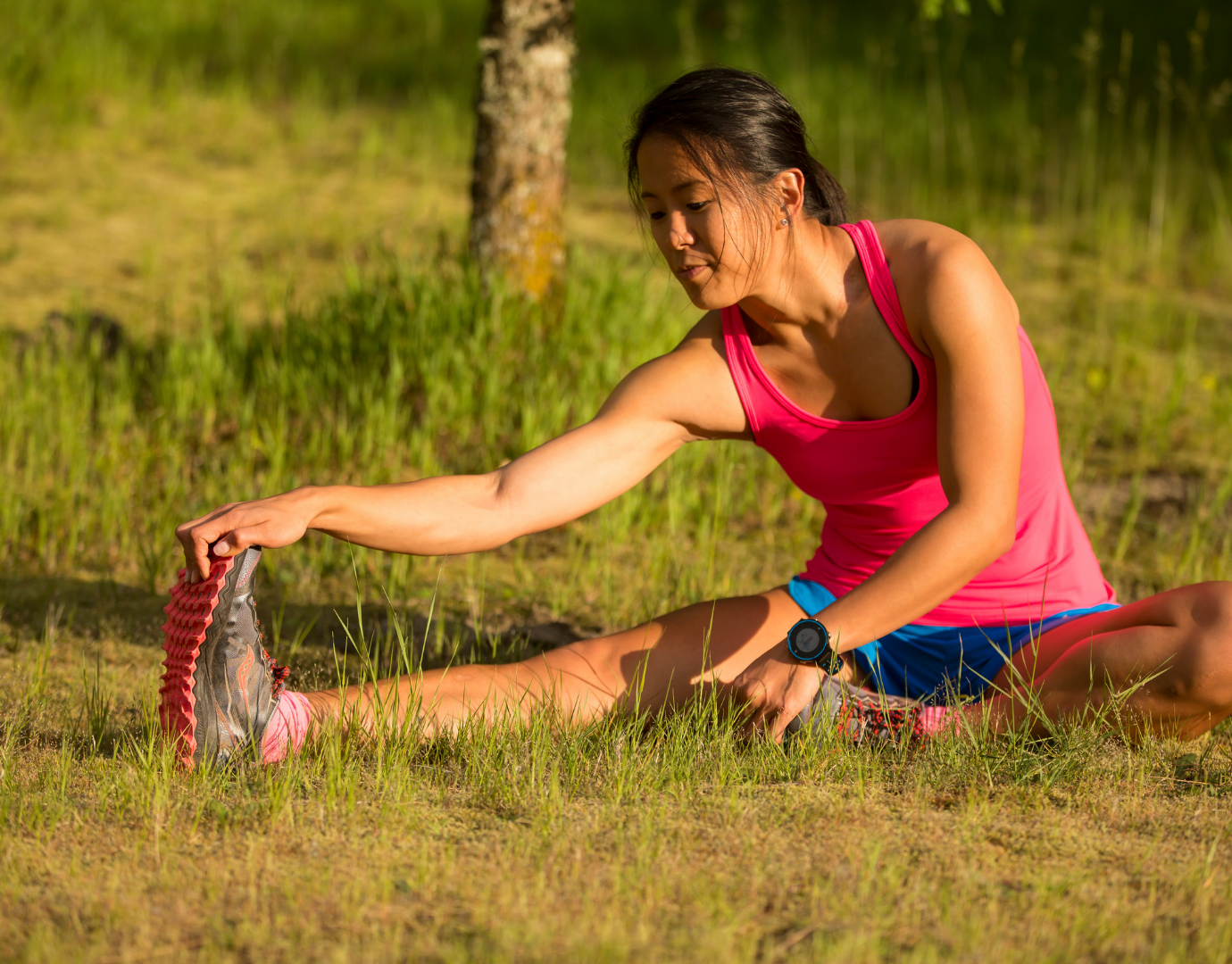
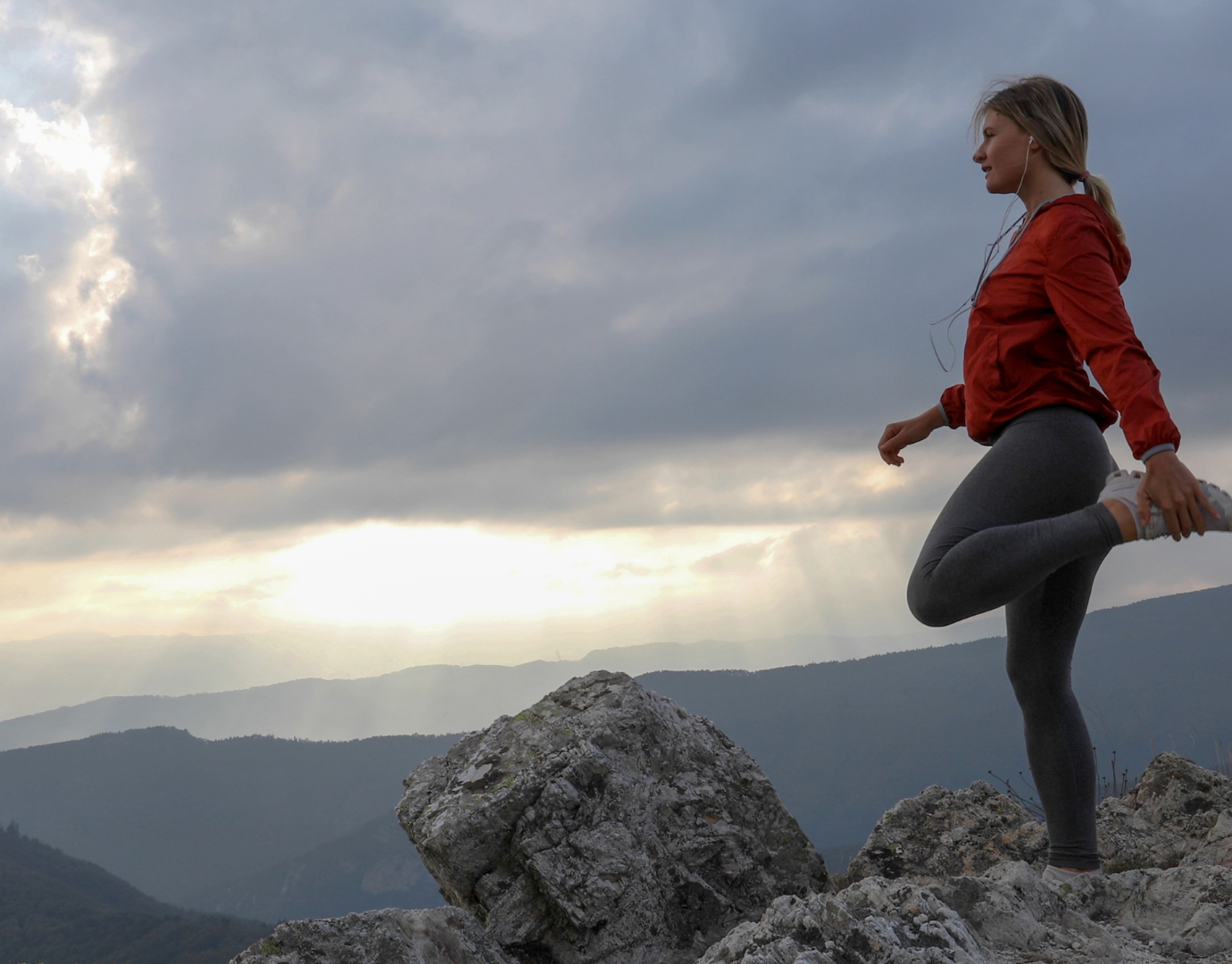
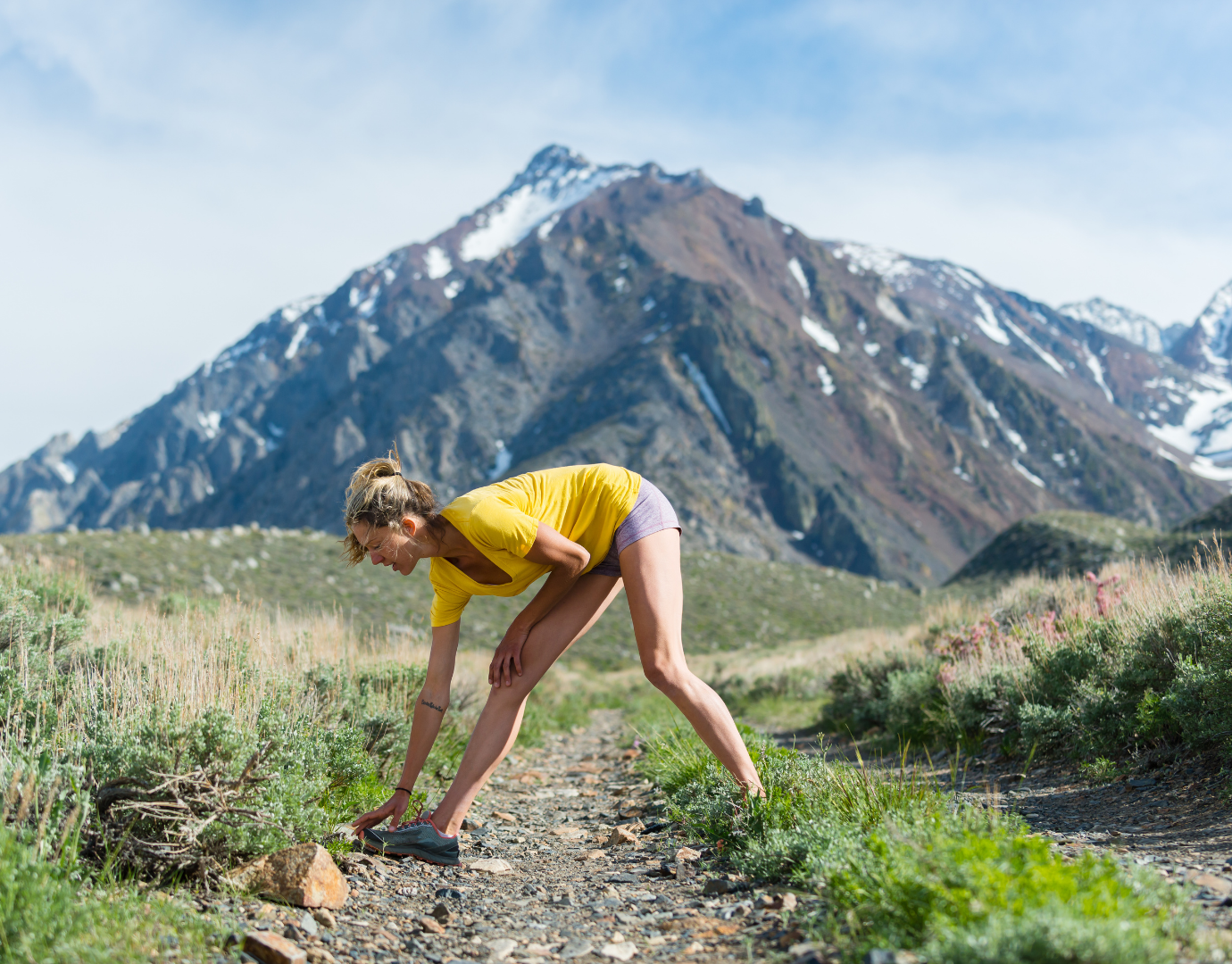
Stretching is often one of the things we runners enjoy least. I certainly fall into that category. We face a constant conundrum with our bodies, a need for the diametric opposites of stability and mobility. With limited time (and maybe limited motivation?) stretching often falls into last place on the spectrum of self-care. But, stretching isn’t what it used to be. Theories around what type of stretching is most efficacious and when to stretch have changed dramatically in the last decade. Different modalities (or types) of stretching are also plentiful.
In this blog we’ll investigate passive and active stretching, foam rolling, cupping, IASTM (instrument assisted soft tissue mobilization), when might be best to stretch, and when you may want to hold off. One thing I encourage you to consider as you read further is the possibility that creating increased mobility in a joint and it’s adjacent tissue (rather than less dynamic static muscular stretch) might contribute more meaningfully to joint health1,5,7,11. Increasing mobility at a joint involves addressing not only the joint and capsule itself, but the supportive ligaments, fascia, and tendons around the joint as well as muscles that move the joint10. Traditional stretching in the sense most of us think of might create a temporary lengthening of the muscle being targeted but does not usually explicitly target joint ROM (range of motion). So, I will use the term ‘stretching’ throughout this article, but as you read on you’ll see that some stretching is limited in scope and provides only short-term results11, whereas some of the newer techniques are focused on increasing tissue mobility and joint ROM simultaneously.
Do you remember when, 10, 20, or 40 years ago in gym class the teacher hollered at everyone to ‘stretch it out-limber up!’ before your fierce game of dodgeball? At which point everyone in the class proceeded to half-heartedly grab an ankle and hold a static quad stretch for a few seconds, or maybe bounced on the edge of a stair to ‘loosen up’ their calves. Ok, so even if your gym class was a little more progressive than that of my rural upbringing, things have undoubtedly changed on the stretching front since any of you reading this were last in gym class.
Modalities concerning stretching have expanded to include theories for what type of stretching is best for which sports, when you should stretch, what tools can aid in stretching, and if stretching is even really beneficial in the first place. I do want to say at the outset here that some folks swear by their particular stretching routine or yoga practice, and if it makes you feel better then absolutely keep doing it. This is more for the runners like me who don’t particularly enjoy stretching and are often unsure about how to get the most benefit in the least amount of time.
The old-school type of stretching that we’re probably all familiar with (like that lackluster gym class quad stretch) is called static stretching. As the name would indicate, no movement is involved, and a muscle group is held in an elongated position for a length of time in the hopes that the soft tissue will release by degrees leaving you with a greater range of motion (ROM)1,6. A big issue-and there are several- with this type of stretching is that people rarely hold the stretch long enough for the necessary physiologic response to kick in that actually allows your tissues to relax. Also, a lot of people may start static stretching cold, and there is some real truth to the old wisdom behind warming up your body before you stretch it. Think of your muscles like rubber bands; if you stick them in the fridge overnight or leave them in one position for an extended time period, they’ll have trouble adapting to a new shape. The same generally applies to your muscles, albeit it on a much more complex level. It is also worth mentioning that there’ve been some preliminary studies11 showing that stretched tissue returns back to its pre-stretched state within a much shorter timeframe than previously thought, insinuating that the effects from static stretching in particular can be short lived and measured on the order of minutes rather than hours or days. Additionally, there have been some interesting research articles7,11,13 within the past decade pointing to the fact that athletes from the recreational to elite level would do better to focus on strength building rather than stretching, and that stretching can even produce a temporary decrease in performance. If you’ve read any of my blog posts up to this point, you’ll know I always find a way to sneak in some science, and this is where some muscle physiology is needed to clarify further.
Muscles and tendons (which attach muscles to bones) have built in mechanisms to maintain daily posture plus all the minute adjustments it takes to achieve bipedalism, and to prevent injury as much as is humanly possible. These features, called the ‘Myotatic reflex’ and the ‘Golgi Tendon reflex’ are constantly in use without our even being aware of it. For example: if you slip on an icy patch of sidewalk and your foot begins to skate away from you, these reflexes are enacted before you’re even cognizant of the fact you’ve slipped. The Myotactic reflex initiates within the actual belly of a muscle and causes a muscle to contract when a stretching force is being exerted on it4,10. This can be seen as a muscle’s attempt to counteract imminent injury from undue excessive stretch or force. The Golgi Tendon reflex happens in structures called Golgi Tendon Organs (GTOs) located in the tendons of the body. It responds to excessive force by inhibiting muscle action via the tendon it’s attached to-it’s essentially a forced relaxation from outside of the muscle belly. For example, if the GTOs in the bicep tendon sensed a dangerous amount of stress being put on the bicep tendon, they would signal the bicep muscle to relax rather than contract under dangerous stress4,10. Obviously, these protective reflexes can be overridden and are not perfect. Sudden, external factors like falls or blows to the body fully illustrate this imperfection. But on the whole it’s a pretty amazing protective system that leaves us in much better shape than we would otherwise be without it.
Ok, so why have I been going on about reflexes with science-y sounding names if this is an article about stretching? It’s because those protective mechanisms kick in with most types of traditional stretching, and a certain amount of time needs to elapse for these systems to be overridden. The nervous system will eventually catch on that the stretch being exerted on a muscle and tendon is intentional and not accidental, and then will allow for those soft tissues to relax. If you release a stretch before that recognition from the nervous system has happened, you’ll have done virtually nothing of consequence to elongate the muscle because the reflexes we just discussed will still be active. There is some debate about what the precise magic timeframe to hold a stretch is, but it’s safe to say that at the low end most agree that a static stretch needs to be held for at least 30-45 seconds to override the Myotactic and GT reflexes3,11.
There are a two types of active stretches I use almost daily because they’re time effective and yield tangible results. The first is called Active Isolated Stretching (AIS). AIS is super-short stretching that occurs in two second intervals. The reason this modality employs such a short timeframe goes back to that reflex physiology we discussed earlier. There is actually a short window of 2 seconds before the Myotactic and GT reflexes truly kick in, and AIS capitalizes off of this3. By going into the stretch for a count of two, you can slip under the reflex barrier and achieve a muscle and tendon stretch without triggering the protective contraction or inhibition reflexes. AIS is not bouncing or ballistic stretching, which can be exceedingly dangerous. It is a controlled, intentional movement into a stretched position for two seconds with a rest interval of two seconds. I often use this mid-run or race because it takes very little time, and when done correctly doesn’t risk tissue overstretching or decreased force output from the muscle.
Muscle Energy Technique (MET) uses the principle of reciprocal inhibition to stretch you out. This is another active modality, and you’ll need a buddy or therapist (like a Manual or Physical Therapist) to help you out. With an MET you’ll be asked to isometrically contract one group of muscles against a barrier which will cause the opposing musculature to relax2. The reason this works is that when a muscle on one side of a joint contracts the muscles on the opposing side must necessarily relax, this is reciprocal inhibition in its simplest form. For example, if you were going to stretch the hamstrings using an MET you’d do the following: lie in a supine position with the stretch leg raised in the air perpendicular to the floor (as close to 90° as you can manage without causing initial notable stretch). Next, your raised leg would push downward towards the floor (activating the hamstrings) against the barrier provided, this will probably be the therapist’s shoulder or hand, for 5-10 seconds. After this you’ll relax whilst the therapist gently pushes you a little further into the hamstring stretch. Typically 3-5 repetitions of MET are applied to one area. This modality is great for improving ROM at virtually all joints in the body, and I use this post long run and on rest days to delay the onset of joint stiffness that accompanies particularly long training sessions.
The next few modalities we’ll go over next are probably not what most people might call to mind when I say ‘stretching,’ but they can be considered under the same umbrella. The goal of active and passive stretching is to mobilize tissues, increase joint ROM, and decrease musculotendinous pain. The following all share that same goal but achieve it via more non-traditional means. These therapies can also all be active or passive depending on your end goal.
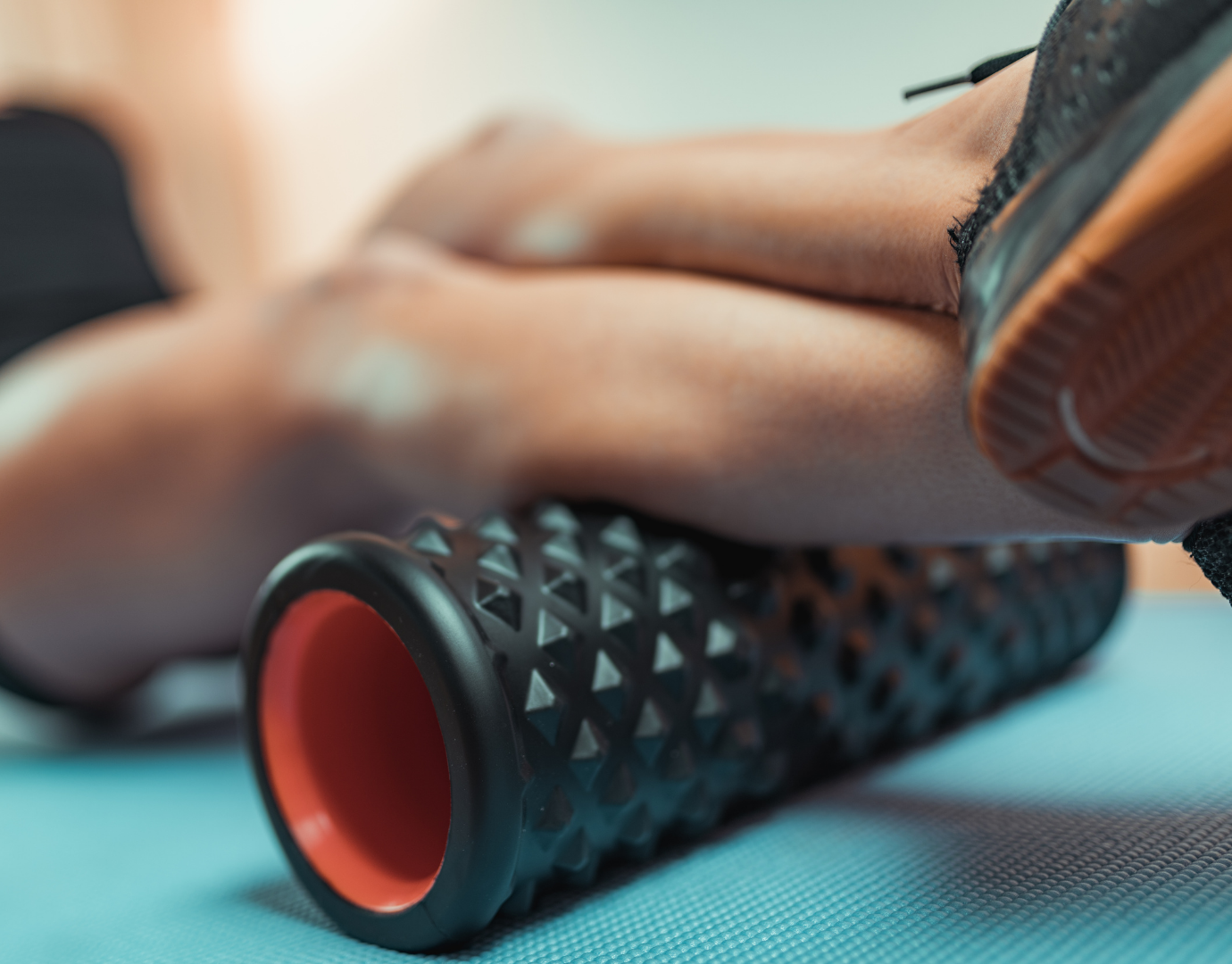
Foam rolling is pretty familiar to most runners and needs very little further explanation. The thing to remember with foam rolling is that the same principle of holding a tender spot for a minimum of 30 seconds to elicit muscle relaxation applies here. While you can definitely actively roll back and forth as the name implies, if you hit an adhesion or trigger point (notably sore and immobile fascia and/or muscle) you’ll need to hold the spot for at least 30 seconds to begin the tissue lengthening proccess.
Cupping Therapy is a form of manual therapy that uses small cups which can be plastic, glass, or rubber to suction the skin underneath into the cup. (A quick note: in this post I’m referring to Fixed Dry cupping; there are a multitude of cupping types). Cups are usually left on for 3-5 minutes in the target area. The after-effect of cupping can often be seen for hours if not days in the form of round, red marks that look like bruises on the skin. The thinking is that these red areas are where the suction from the cup has moved metabolic wastes from the tissues underneath up to the subcutaneous layer12. Cupping is relatively new to the Western world but has been around in parts of Asia for thousands of years. This is a therapy that has some controversy surrounding it as to whether or not it really is efficacious, and the decision to pursue cupping needs to be made on an individual basis with consideration to any contraindications (risk factors) you might have for receiving this therapy. Also, cupping should only be done by a practitioner with the training to perform this modality. Oftentimes you’ll see high-level athletes with cupping marks (remember Michael Phelps and Simone Biles at the 2016 Olympics?). Seeing these high level athletes with cupping marks indicates what many see as a great side benefit to cupping- it doesn’t interfere with your competitive ability, and some would swear to the fact that it helps recovery time by leaps and bounds. Again, I think this is an area everyone needs to decide on for themselves, but in full disclosure I use cupping fairly frequently after hard efforts like hill repeats or heavy strength training for XC skiing.
IASTM or instrument assisted soft tissue mobilization5 goes by a few other names too. Graston Technique, Gua Sha, and Scraping are all terms I’ve encountered other therapists using with frequency when refencing the same modality. The term ‘Scaping’ probably provides the best idea of what this looks and feels like. The therapist performing IASTM will use a metal or stone tool (typically curved and with a beveled edge) to scrape along your skin with the ostensible goal of improving blood flow and elongating the fascia5. Just like cupping, this will often leave visible red marks on the skin that resemble road rash. It’s also another new-ish arrival to the Western world and comes with the same controversy as to whether or not it’s pseudoscience or if it does actually convey tangible benefit. The same cautions apply here as well in that you’ll need to find a qualified therapist to perform this and determine if you have any risk factors that would prohibit you from getting IASTM.
There are a plethora of other stretching/tissue mobilization techniques beyond what I’ve covered in this post. The general scientific consensus is that active and passive stretching, when done correctly, probably conveys some benefit in the short term, will likely mitigate injury risk if you stretch on a long-term regular basis, and will probably not have deleterious effects on your musculature11. Frustratingly vague and non-committal, right? The main take-away here is that there are a lot of ways to solve a problem, and it will take some research and experimentation on your part to determine which stretching regimen is best for you. It’s also worth noting that there are times that are definitely not appropriate to stretch or at least stretch aggressively. I think it’s fairly obvious to most that immediately following some sort of tissue trauma (like a sprain or fracture) stretching the inflamed and damaged tissue is not a good idea. Jumping straight out of bed before your soft tissue has warmed up and your circulatory system has adapted to being upright is also not an ideal time to stretch aggressively. Consider active stretching like AIS or, if you can manage it, an MET while you’re mid-activity. If you have recent joint injury, arthritis, osteopenia or osteoporosis you should definitely consult with your physician before you embark on a new self-care plan and use extreme caution when foam rolling or receiving treatment near your affected joints.
The last morsel of food for thought is what I mentioned at the beginning: achieving that elusive balance between stability (ie: being strong) and mobility (ie: being bendy). Every athlete needs to consider what their objective is. Gymnasts have what might be the trickiest task of all sports with this balance- being super strong and impossibly flexible at the same time. Runners obviously do not need that level of joint mobility and there are some that argue stretching should not be the focus of performance minded athletes, and stability outranks mobility7,11,13. The thinking is that a strong body is protective of joints and soft tissue, and therefore conveys more durability to the runner. The other side of the coin is that if you’re super strong but lack mobility, your soft tissue will be so constantly hypertonic (tight) it’ll always be on the verge of tearing, straining, or spraining.
To tread lightly into this debate, I side more with the category of favoring stability over mobility. What this means in practice is that, given limited time, I’m much more likely to use those minutes for a couple quick strength exercises than stretches. This is not to say that I never stretch, because I do, and I often feel better afterwards. But, from my personal experience I’ve felt more benefit with prioritizing stability than I would if I were a stretching devotée pursuing superhuman feats of flexibility.
References:
Chaouachi, A., et al. “Effect of Warm-Ups Involving Static or Dynamic Stretching on Agility, Sprinting, and Jumping Performance in Trained Individuals.” Journal of Strength and Conditioning Research. 2010. 24 (8): 2001-2011. Web.
Fryer, G. “Muscle energy technique: An evidence-informed approach.” International Journal of Osteopathic Medicine. 2011. 14 (1): 3-9. Web.
Kukkonen, P. T. “Scientific Basis of Active Isolated Stretching: A Review.” Journal of Exercise Physiology Online. 2019. 22 (2): 58-70. Web.
Konoza, E. ATC. “The Role of Muscle Proprioceptors in Proprioceptive Neuromuscular Facilitation (PNF) Stretching.” MUSC Health Sports Medicine. 1 October, 2018. Web.
Looney, B., et al. “Graston Instrument Soft Tissue Mobilization and Home Stretching for the Management of Plantar Heel Pain: A Case Series.” Journal of manipulative and physiological therapeutics. 2011. 34 (2):138-42. Web.
Medeiros, D. M., and Martini, T. F. “Chronic Effect of Different Types of Stretching on Ankle Dorsiflexion Range of Motion: Systematic Review and Meta-Analysis.” Foot.2018. 34:28-35. Web.
Nuzzo J.L. “The Case for Retiring Flexibility as a Major Component of Physical Fitness.”Sports Med. 2020. 50 (5):853-870.
Pope, R. P., et al. “A randomized trial of preexercise stretching for prevention of lower-limb injury.” Medicine and science in sports and exercise. 2000. 32 (2):271-277.
Rowlett, C.A., et al. “Efficacy of Instrument-Assisted Soft Tissue Mobilization in Comparison to Gastrocnemius-Soleus Stretching for Dorsiflexion Range of Motion: A Randomized Controlled Trial.” Journal of Bodywork and Movement Therapies. 2019. 23
(2):233-40. Web.
Schünke, M., E. Schulte, and U. Schumacher. Thieme Atlas of Anatomy. Edited by L. Ross, and E. Lamperti. Thieme Medical, Stuttgart, 2006.
Shrier, I. “Chapter 3: Does Stretching Help Prevent Injuries?” Evidence Based Sports Medicine 2nd Edition, edited by MacAuley, D., and Best, T.M. Blackwell Publishing, 2007, pp. 36-58.
Tamer, S. A., and AlSanad, S. “Cupping Therapy: An Overview from a Modern Medicine Perspective.” Journal of Acupuncture and Meridian Studies. 2018. 11 (3):83-87. Web.
Waryasz, G.R. et al. “Personal Trainer Demographics, Current Practice Trends and Common Trainee Injuries.” Orthopedic reviews.2016. 8 (3): 6600. Web.
For many of us, the abs often get superficial attention at the gym as that part of the body you work on so it’ll hopefully, maybe, one day, be chiseled and flat as a washboard, but that’s about where the thought ends. It’s time to take a dive into the core and see what it’s functional role is, and how you can tailor your core training to benefit your running7.
The core musculature actually extends far beyond what most of us think of as that visible “six-pack” some people are fortunate enough to own. The core muscles comprise several other groups that support the spine, hips, low back, ribs, and internal organs6. Needless to say, these groups have a big job. A weak or unsupportive core has real implications for runners2. Conversely, a strong core can have an über helpful impact on your running experience and longevity.
The Transverse Abdominus
The first muscle that arguably deserves the most attention is called transverse abdominus (TVA). It is a broad, thin muscle that is the deepest of the core musculature situated underneath rectus abdominus (the ‘six-pack’ muscles) and the obliques (side body stabilizers/movers)6. It serves a lot of important functions, not least of which is supporting and compressing your viscera. TVA also aides significantly in maintaining stable posture, since the muscle’s attachments span from the top of the iliac crest (upper portion of the hip bone) to your lower costal cartilages (ribs), to your pubic bone3,6. The TVA is often compared to a built-in corset or girdle since its function of ‘holding everything in’ is apt (Awesome, isn’t it? No need to go out and buy an actual girdle now you know you’ve already got one at the ready).
Since TVA attaches to so many points throughout the front and sides of the abdomen and has extensive fascial connections beyond, it is implicated in running bigtime. While this muscle doesn’t actually move limbs or joints independently, it’s stabilizing function is key5. Without TVA functioning at its full capacity muscle compensation kicks in, and you’ll get smaller muscle groups taking on a workload for which they are not optimally designed. There have been studies showing a weak TVA to be a culprit in chronic low back pain, hip, and groin injuries1,2,3,4,5,7. Since a lot of runners spend consecutive hours or days out on the trail, TVA needs to be super strong and active in supporting your upright posture. A weak TVA can lead to maladaptation of movement patterns at the hips, low back, and groin. Symptoms and pain may manifest gradually over time as a constellation of issues originating with a weak or inactive TVA2,3,5,7.
Here again is where I can unfortunately speak from past experience on just how far reaching the effects of a weak TVA can be. About seven years ago I experienced a complex array of neuromuscular dysfunction and pain throughout my pelvis that stumped repeated self-evaluation and physician after physician. I was experiencing severe shooting pains through my pelvis and low back, and walking, running, sitting, and standing became progressively more irritative to the point of almost being unbearably painful. After a plethora of testing, poking, and prodding and still no definitive answers as to what was causing my pain, I sought input from a Physical Therapist trained in dealing with the pelvis (these very specialized PTs can be difficult to find but are worth their weight in gold). After taking a look together at a diagnostic ultrasound of my core, I was astounded to see how flaccid and frankly pathetic my TVA and deep lumbar stabilizers looked.
The PT pointed out the hyper-compensation going on throughout my core and pelvis. We determined that a whole lot of my pelvic floor musculature was in prolonged spasm, hypertonic, and aggravating a multitude of pelvic nerves. The small muscle groups located within my lower pelvis were taking over the stabilization duties of my TVA and larger lumbopelvic stabilizers–all of which appeared to be on extended holiday. After eight long months of targeted rehab and zero running, I slowly crept back from this bizarre injury. And while my experience is an extreme and highly irregular outcome of a wonky and weak deep core, it’s a good illustration of how much the deep core really does matter.
One of the challenging aspects of training TVA is that it requires a huge amount of subtlety and intentional activation. When you do locate TVA and manage to consciously activate it, you won’t feel a big movement or experience any outwardly visible motion (like with the pecs on a bench press). This is precisely why it is one of the trickiest and often disregarded muscles that needs training. We’ll get into how to locate and activate TVA later on in this blog, but for now suffice to say it’s the core muscle to add into your strength routine if you haven’t already.
The Obliques
Moving from the deepest layer outward, the next muscle group we encounter after TVA is the internal obliques6. Over these lie the external obliques, and collectively they are responsible for enabling spinal flexion, twisting (rotation), and stabilization of the side-body6. These muscles are implicated in counteracting the rotational force that happens with arm swing or pole usage when you run. The movements here are not huge, nor are you likely to feel particularly fatigued in your obliques after a long run. But again, this mid-layer of the core needs attention and proper activation just like TVA1,3. It is also important to note that muscles and muscle groups do not act in isolation6. When we talk about the specific action of a muscle, it should be noted that in reality muscles are always working in a complex and fluid dance with their synergists (helper muscle groups performing similar actions), antagonists (muscles that relax eccentrically allowing for the opposing group to contract), and connective tissues (ligaments, tendons, fascia)6.
The Rectus Abdominus
The most superficial muscle group of the core is the one we’re all familiar with that creates (for some) what looks like a neatly stacked row of bricks on either side of your midline. This is the rectus abdominus group6. And while it by no means is unimportant to a globally strong core, it is the easiest to see, pinch, activate and agonize over in front of the mirror- therefore it gets the most attention. The rectus abdominus primarily acts as spinal flexor (the ‘C’ shape your torso achieves in a standard crunch is the rectus abdominus at work).
Ok- now that we’ve taken a tour of our collective midriffs, let’s talk about activating that all important TVA muscle. The best way to begin your search for the TVA is to lie on your back with your feet planted on the floor. Take a couple deep abdominal breaths to settle down and relax those core muscles as much as possible. Next, you’ll need to locate your ASIS (anterior superior iliac spine(s)), which are the pokey bits on the front of your hip bones that are highly palpable when you’re lying on your back. Next, move your fingertips about one inch horizontally inwards towards your belly button and then one inch downward (inferiorly) toward your pubic bone. Bingo! You’ve found your TVA, now it’s time to try and get it working. First things first with activation- sucking in your stomach is not activating the TVA. Also, if you feel contractions of your rectus abdominus under your fingers (do a small crunch and note what this feels like if you’re unsure) this is also missing the target. Since the TVA is tied to the pelvic floor, you will probably feel activity in your pelvic floor when you try to activate TVA- like if you had to stop peeing mid-stream. Initially this is ok, but the goal eventually is to isolate TVA as purely as possible and differentiate it from the pelvic floor.
To start activating, keep your fingertips on TVA and imagine slowly drawing your navel in toward your spine via a string attached from your spinal column reaching only to that innermost layer of core muscles (TVA)- do this on the exhale. As you inhale again try to maintain the contraction you’ve achieved thus far to the best of your ability, and on the second exhale contract TVA further (tighten that corset!). The contractile movements under your fingers may feel extremely small or barely recognizable- that’s ok, this will take repeated practice. I realize how impossible this sounds, but it really can be done.
There are a few other helpful ways to think about TVA activation I came across during my own rehab journey. The first is the plastic wrap analogy. Imagine your viscera (internal organs) are all bound in a layer of plastic wrap. Your goal is to squeeze those organs further only using TVA. Think about the internal organs being compressed whilst the outer core remains unchanged. Essentially, you should see no movement, bulging, or other contortion in your abdomen. It’s visually about the most unexciting exercise ever. This takes a lot of patience, and it may help to pull up an anatomical diagram of the core musculature to help with this. The second analogy is the belt notch trick. When you are lying in the starting position imagine a belt strapped loosely around your TVA, with each exhale+contraction of TVA, your goal is to tighten the belt one notch. Again- if you feel action in the obliques or rectus abdominus stop and try again.
While the extreme subtlety of activating TVA can feel a little infuriating, it will pay dividends to your running health be persistent, locate that badboy and strengthen it. Below you’ll find some exercises that are targeted toward TVA but will also give a great workout to your obliques and even your rectus abdominus as well.
Plastic wrap TVA activation
No video
Prone Plank w/ progression
Side Planks w/ progression
Side swipes
Russian Twist
Wood Choppers
Reverse Crunches
https://youtube.com/watch?v=vaTHkV2R13c
Dead Bug
References:
Bråten, M., Andersen, L. A. (2019) “Hva er uavhengig kroppsarbeid?” Norge Olympiatoppen. Available:https://www.olympiatoppen.no/fagstoff/teknikk_motorikk/teknikk_motorikk/page1687.html [Accessed: 27 November 2020].
Hodges, P. W.; Richardson, C. A. “Delayed postural contraction of transversus abdominis in low back pain.” Journal of Spinal Disorders 1998, 11 (1), 46-56.
House, Steve, Scott Johnston, and Kilian Jornet. Training for the Uphill Athlete. Patagonia Books, Ventura, California, 2019.
Leetun, D. T.; Ireland, M. L.; Willson, J. D.; Ballantyne, B. T.; Davis, I. M. “Core Stability Measures as Risk Factors for Lower Extremity Injury in Athletes.” Medicine & Science in Sports & Exercise 2004, 36 (6), 926-934.
Mangum, L. C., Henderson, K., Murray, K.P., Saliba, S.A. “Ultrasound Assessment of the Transverse Abdominis During Functional Movement.” Journal of Ultrasound in Medicine 2018, 37 (5), 1225-1231.
Schünke, M., E. Schulte, and U. Schumacher. Thieme Atlas of Anatomy. Edited by L. Ross, and E. Lamperti. Thieme Medical, Stuttgart, 2006.
Vincent, H.K., and Vincent, K.R. “Abdominal Bracing for Minimizing Excessive Pelvic Motion During Running.” Current Sports Medicine Reports 2018, 17 (4), 111.
Cate Airoldi brings over a decade of training and racing experience to Aspire, with first place finishes in distances ranging from 50 to 120 miles. With an educational background in Physiology, Kinesiology, and Sports Performance, she has been training individual and team athletes since 2011. Cate holds CPT and LMT certifications, and is a current MSc graduate student in Sports Performance Coaching.