Categories
Aspire Culture Blog courses Destinations Highlights SUCIA Sucia Island WFA Sucia Island: Rendezvous SUCIAWFA Trip Reports and Trip Styles Trip Styles

Geology of Sucia Island:

Folds, Faults, Tafoni, a Ghost Forest, and a Dinosaur!
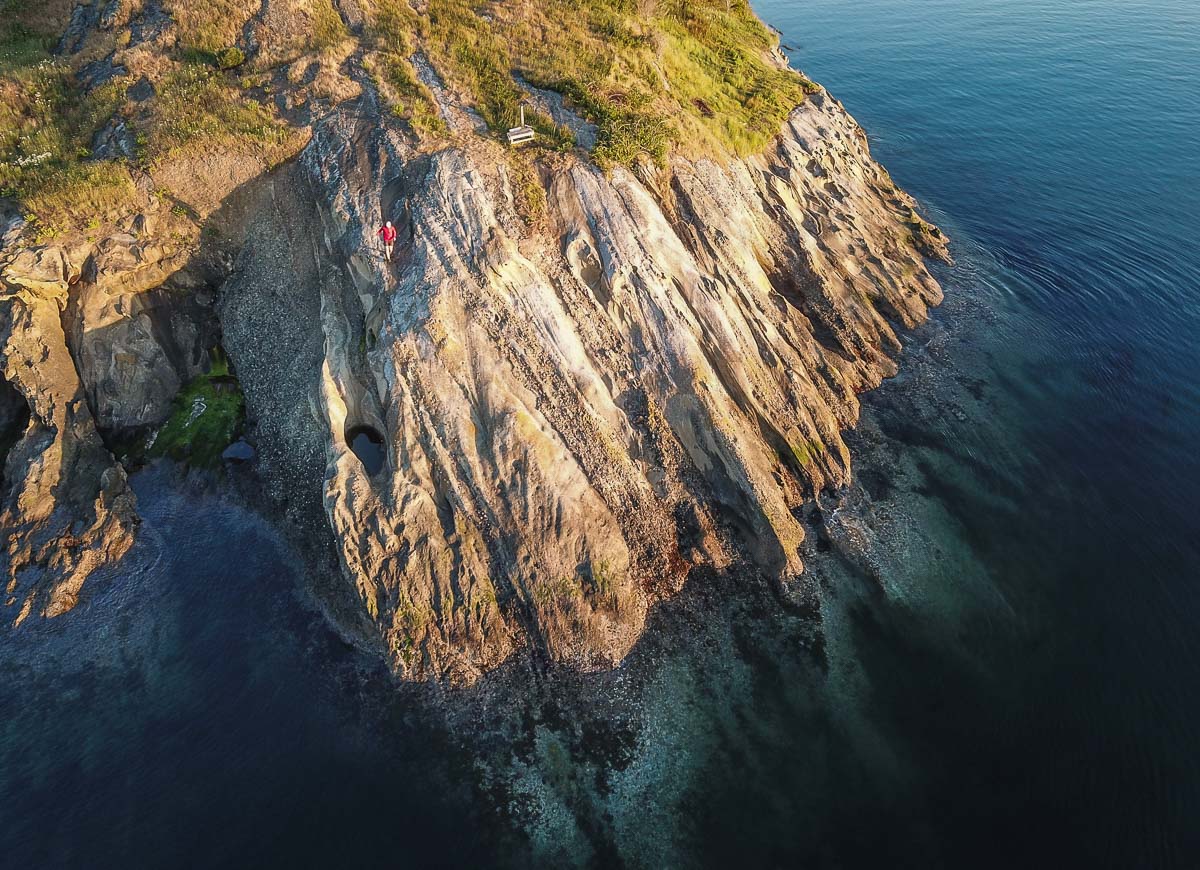
What a lot of variety packed into less than a square mile of rock!  Sucia Island has many features that delight anyone interested in the natural environment.  For runners and hikers, an extensive network of trails leads the curious to all of these features. Also, at low tide much detail can be seen by walking (safely!) portions of the shoreline. Let’s briefly describe some of the most noteworthy geologic features.

The Rock

Except for the bedrock ridge making up the southwest portion of the island, bedrock here is made of sedimentary rock named the Chuckanut Formation for similar rock found on Chuckanut Mountain near Bellingham.  The rock is mostly sandstone but in places siltstone and conglomerate are interlayered, telling a story of an ancient meandering river system existing about 50 million years ago that deposited sand, silt, and pebbles.  Plant fossils are abundant, including fossilized wood, and sparse evidence of terrestrial animals has been found, mostly tracks.  The fossil assemblage suggests a humid subtropical climate during the time of deposition, quite different than today’s  local climate.

Fossil Bay was the site of quarrying of sandstone over a century ago. The massive blocks were barged to Seattle for paving stone. You can see the remains of the quarry near the dock in Fossil Bay.

The oldest bedrock on Sucia is the Nanaimo Group,  making up Little Sucia Island, the ridge south of Fox Cove and along the south shore of Fossil Bay. Siltstone is the dominant rock type and it contains abundant fossils of invertebrate marine organisms such as clams, snails, and ammonites.  At low tide you can easily walk along the marine terrace , a product of  wave erosion, until a cliffed shoreline blocks progress.  The rock  on the high cliff is completely unsuitable for climbing, being finely fractured, soft, and unstable.  

The Nanaimo rocks are at least 75 million years old and evidence indicates they were transported as much as 1000 miles from their depositonal origin by plate tectonics.  How?  Glad you asked! The evidence is complex but centers on the latitude of formation of rock of similar age on the mainland dated by paleomagnetism.

The surface of the entire island shows clear evidence of being overridden by glaciers. Rocks include abundant  light-colored granite pebbles, cobbles, and boulders,  as well as various other rocks such as quartzite and greenstone not local to the San Juan Islands. These rocks originated in the mainland of British Columbia where they are found as bedrock. Transported by moving glaciers, the rocks were dumped when the ice melted here about 10-12,000 years ago. Maximum elevation of similar boulders on the mainland indicates that at maximum continental glaciers in the area of the  present-day Salish Sea were over one mile thick! 
The Fault

If you walk along the north shore of Fox Cove at low tide, you might notice the light gray rock making up the low backshore cliff just above high tide level. Look closely and you might see some “S” shaped folds in the bedrock. This is evidence of the Fox Cove fault, which brings into contact the 50 million year old Chuckanut Formation with the 75 million year old Nanaimo Group. The actual contact is not exposed, but the younger rock sliding over the older Nanaimo deformed  the rock near the fault contact zone into these folds.


Plunging Syncline

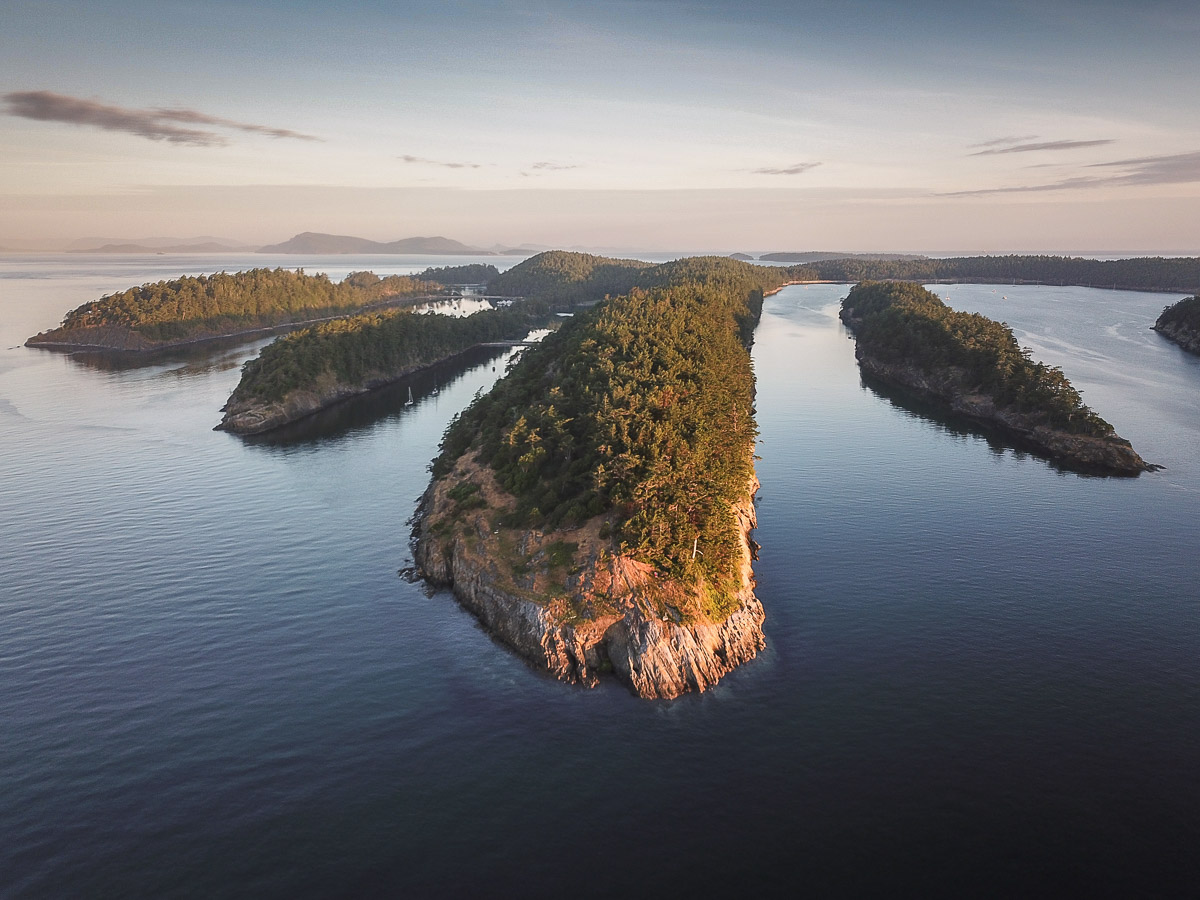
Glancing at a map you’ll see that Sucia Island is shaped like a  horseshoe  that is seeking  to be hooked on an imaginary post somewhere to the southeast. What’s going on here with this unusually shaped island?

The parallel ridges, elongated smaller islands, and intervening valleys and embayments are all part of a structure called a syncline. At the same time that the Fox Cove fault was breaking rock, the sedimentary rock layers of the Chuckanut Formation were being deformed when they were beneath Earth’s surface. Synclines form ‘troughs’ where bent layers are inclined (dipping) toward a centerline, which in this case is plunging (passively ‘diving’) toward the southeast.  The ridges are more resistant rock (sandstone) and the lower ‘valleys’ between are the less resistant rock (siltstone).

Tafoni and Honeycomb Weathering

Many places along the island’s shoreline show a “honeycomb” structure in bedrock, and along the  central shore of Shallow Bay there are large (washtub to bathtub size) cave-like cavities. The later are tafoni (Italian)and are weathering features.  To develop they require permeable rock, salt, and repeated cycles of wetting and drying. When saltwater splashed  on the rock dries , tiny salt crystals form and  wedge the sand grains apart. The sides of cavities are more shaded and are damper, inhibiting crystal formation, so the rear of a cavity deepens with time. Multiple cavities can overlap and produce bigger cavities.  Large tafoni in  the central east shore of Shallow Bay are often called the China Caves and allegedly were involved in smuggling operations long ago.

The Dinosaur!

In 2014 a fossilized bone was found in the Nanaimo rocks near Ev Henry Point at the southeast end of Fossil Bay. This was identified as a part of the left femur of a theropod dinosaur, the same category of reptile that includes T-rex and velociraptors.

This is the first and only dinosaur fossil yet found in Washington! Clam shell fossils found within the hollow part of the bone prove that the skeletal remains of a land-dwelling dinosaur washed into the ocean.

“Ghost Forest”

Just inland near the south shore of Shallow Bay you will notice a number of standing dead cedar trees…a “ghost forest.” What caused the trees in this grove to die?

Hypotheses included 1) an earthquake causing subsidence and subsequent flooding, and 2) flooding from either a tsunami or large storm waves led to salt water intrusion that killed the trees. 

But recent (2008) information tells the real story. Early homesteaders blocked the natural outlet of the small stream in the area because they desired a reliable source of surface fresh water in the pond they created. The flooding killed the trees….. less dramatic but true.

While on Sucia, be sure to read the information on the kiosk up the path near Fossil Bay dock. It contains much of the preceding information including pictures. The geology panel was prepared by George Mustoe,  a former classmate  of this writer and a noted authority on both Sucia Island and Chuckanut Formation geology.

An important note is that it is illegal to collect natural materials in state parks, including rocks, fossils, and plants. Take only pictures and memories, leave only footprints!


Prepared by Doug McKeever
Geology professor (emeritus), Whatcom Community College, Bellingham
Join us for the Sucia Island Beach Camp and Trail Running Extravaganza! June 4th-6th, 2021
Categories
Aspire Culture Blog courses Culture Destinations Highlights Stage Trip Styles YOSE Yosemite Backcountry Stage

Yosemite: A History of Awe

Yosemite National Park is the birthplace of American environmental activism, as well as modern rock climbing, backpacking, and landscape photography. So much that we consider as American “wilderness” started right here. Ian Ramsey gives some insight into some of this Yosemite history and how it lives on today in this incredible place.


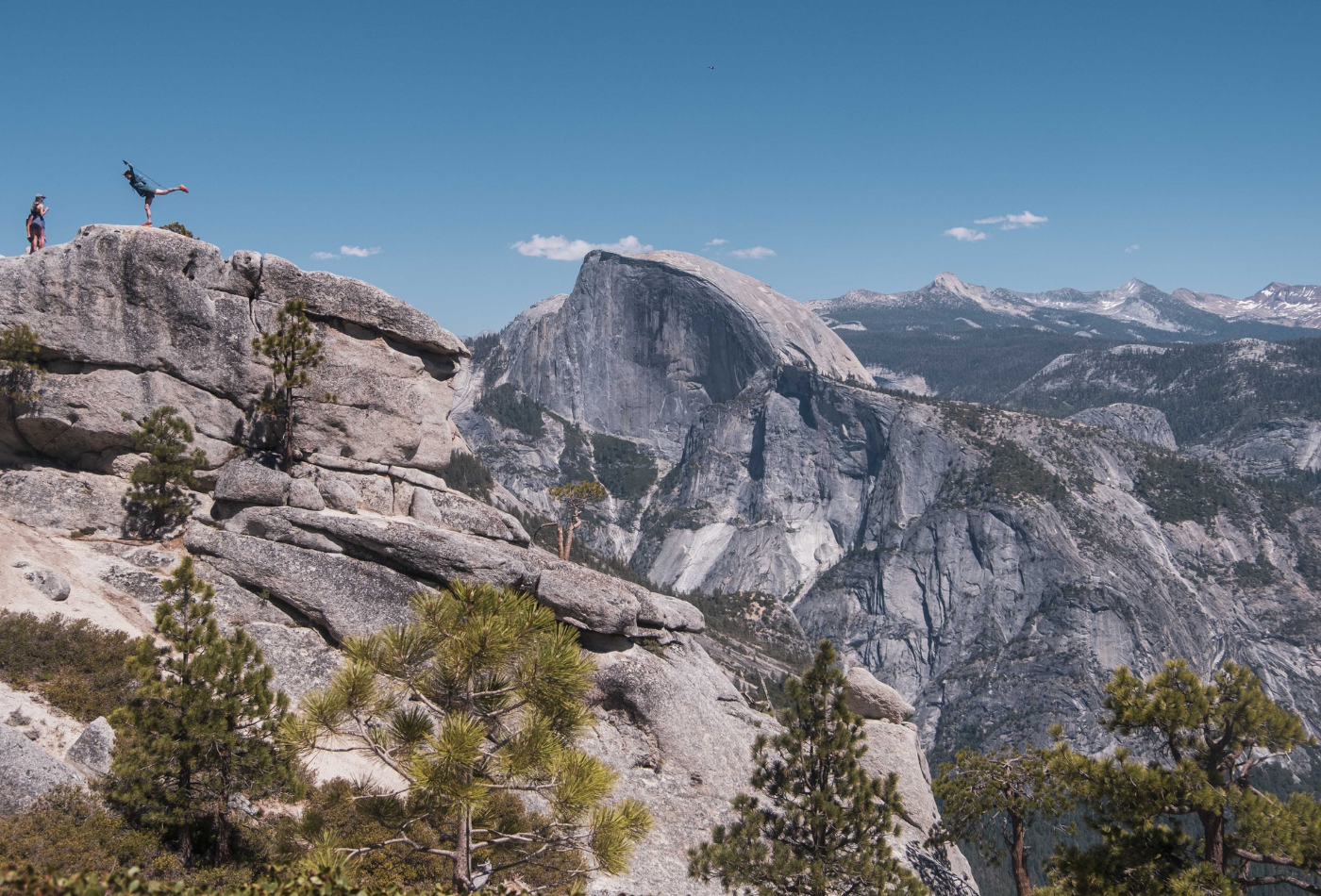
From my backcountry overlook on the Snow Creek trail, I’m looking across the valley at Half Dome. To my left, Cloud’s Rest rises into the sky. The dimensions are unfathomable-Is that distant ridge two miles or twenty miles away? I haven’t seen anyone in hours. 

Over the past few days, I’ve run, power-hiked, skidded and sprinted my way around the valley. I’ve also sat in quiet wonder, watching the light reflect off of El Cap, listening to waterfalls, and watching deer ambling through meadows.

In between backcountry adventures, I’ve also gotten glimpses of industrial tourism-trails, restaurants, and visitors centers packed full of families, senior citizens, crying toddlers, international tourists, and scout troops.  Overfull parking lots and long lines at ice cream stands.  With 4.5 million visitors in 2019, Yosemite is the fifth-most visited National Park. Movies like Free Solo have featured the park, and if you open any Patagonia catalog or climbing or backpacking magazine, you’re sure to see images of the great granite walls, alpine meadows and forested slopes. Heck, Yosemite was even in a Star Trek movie.


The History of Yosemite

Native Lands of the Ahwahnechee

The name “Yosemite”-which means “killer” in Miwok-was the name that the local nineteenth-century settlers mistakenly called the local Ahwahnechee tribe who lived in the valley. The Ahwahnechee, relatives of the Northern Paiute and Mono tribes, had lived in the valley that they called “Ahwahnee”-meaning “big mouth”-for hundreds, if not thousands, of years. Indeed, the valley has been inhabited for over 3000 years. In 1849, their lives were disrupted when the California gold rush brought 90,000 non-native settlers and miners to the region. 

In 1851, as part of the Mariposa Wars intended to suppress Native American resistance, the State of California funded a private militia, and these soldiers -the first documented Europeans to enter the valley in Yosemite history-drove most of the Ahwahnechee people from the area. While a few native people held on, living and working in the valley, they still faced terrible discrimination.

A century later, in 1969, the National Park Service would continue this inequity, evicting the remaining Native people from their residences and destroyed their village as part of a fire-fighting exercise.  Today, the Park Service is doing its best to honor the legacy Native people’s connection to this land, but there is much work to be done.

Early Development

Starting in 1855, entrepreneur James Mason Hutchings started to publicize Yosemite and bring tourists to the valley, where he built roads and a hotel.  Other hotels and businesses started to pop up in the valley, and tour operators started to cut roads through sequoia trees. As awareness of the area’s unique beauty spread, along with fears of rampant development, prominent citizens advocated for protection of the valley. In 1864, the US Congress passed a bill creating the Yosemite Grant-it was the first instance of park land being set aside specifically for preservation and public use. This set the precedent for the creation of Yellowstone as the first National Park a few years later, in 1872. 

Muir and early conservation

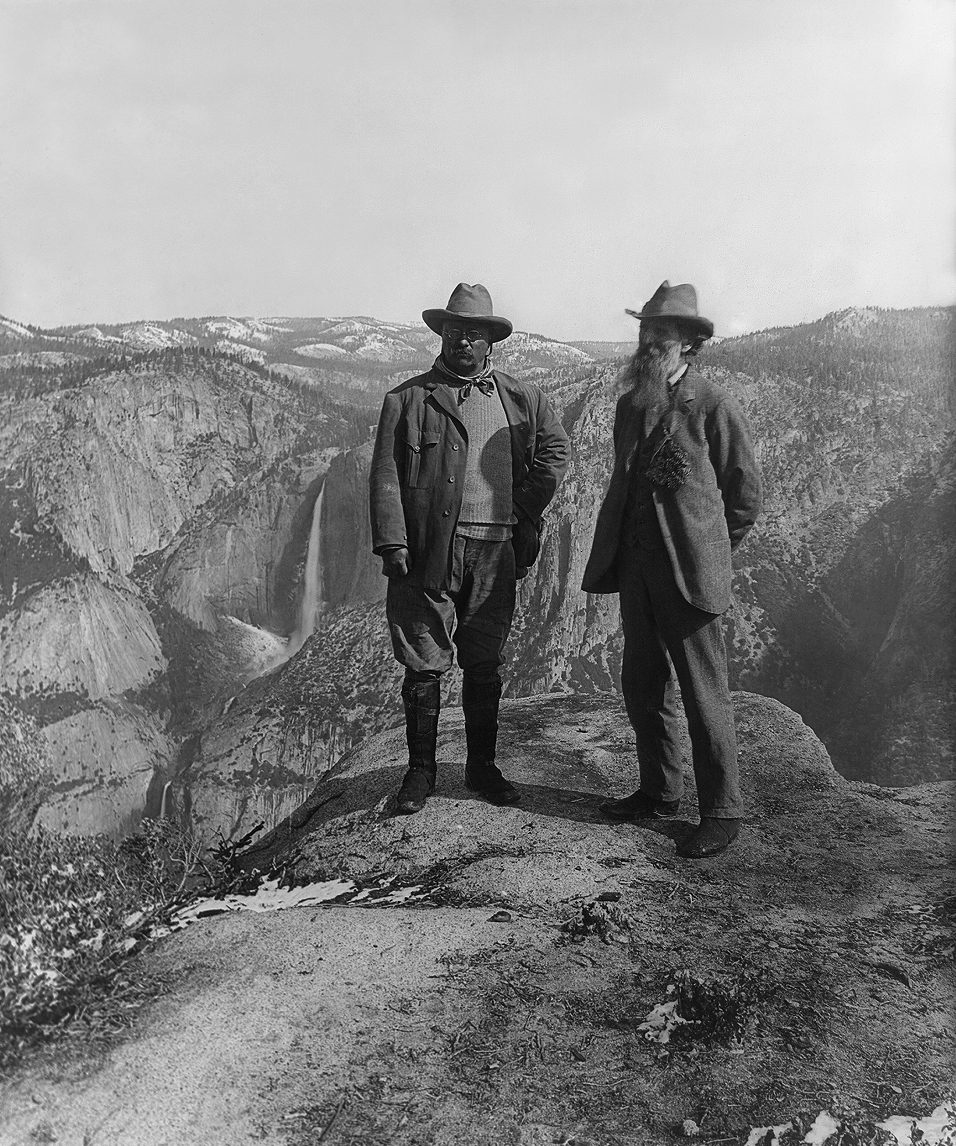
John Muir and Theodore Roosevelt

In 1878, a Scottish immigrant named John Muir arrived in San Francisco and immediately set off on foot across the central valley for Yosemite. He would spend the next eight years living in, and exploring the valley. During that time he would build a small cabin, work as a sheepherder and run a sawmill, but mostly he would explore and adventure around Yosemite and the Sierras. 

Muir’s writings about Yosemite and the Sierras would not only introduce the region to the world, but would also introduce new ideas about conservation, earth-based spirituality, mountain-climbing, ecology, and glaciology to the world. Muir hosted people like Ralph Waldo Emerson and Teddy Roosevelt, who shared his message. In 1890, after decades of activism by Muir and others, Congress signed an act to create Yosemite National Park.  Two years later, in 1892, Muir would create the Sierra Club to inspire people to hike the Sierras and protect them.

In 1923, despite decades of efforts of Muir and others, the nearby Hetch Hetchy Valley was dammed to provide water for the growing Bay Area, a conservation loss in Yosemite history that would serve as a cautionary tale for decades.

Throughout the 1920s and 1930s, a young photographer and Sierra Club member named Ansel Adams made the valley and Sierras even more famous with his evocative black and white photos of the landscape.  Through the work of Adams and the Sierra Club, the John Muir Trail was created, as well as nearby Kings Canyon National Park. Adams, who would go on to become America’s most famous landscape photographer, became synonymous with conservation, documenting, and advocating for, the National Parks.

As automobile travel, the highway system, and the population of California increased, visitation to the park increased. In the 1920s, the park concessionaire, hoping to make Yosemite “The Switzerland of America” even put in a bid to host the winter Olympics in the park, but fortunately it was unsuccessful.

As I look out across the valley, I’m so grateful that this wasn’t developed for the Olympics. Where I ran yesterday across granite ledges, there might have been a ski lift. Tolumne Meadow, with its carpets of richly-scented wildflowers, might have been yet another hotel.

I’m so grateful that running here in Yosemite still translates into a wild, sensory experience of cold rushing water and the pitchy scent of sequoias. I’m glad that I can feel the warmth of the granite on my face and that, an hour later in a completely different ecosystem, my eyes are ringing bright with the colors of subalpine paintbrush and monkeyflowers. And I’m glad that, because Yosemite wasn’t developed as much for industrial tourism, it was discovered by rock climbers.

Scaling the granite monoliths

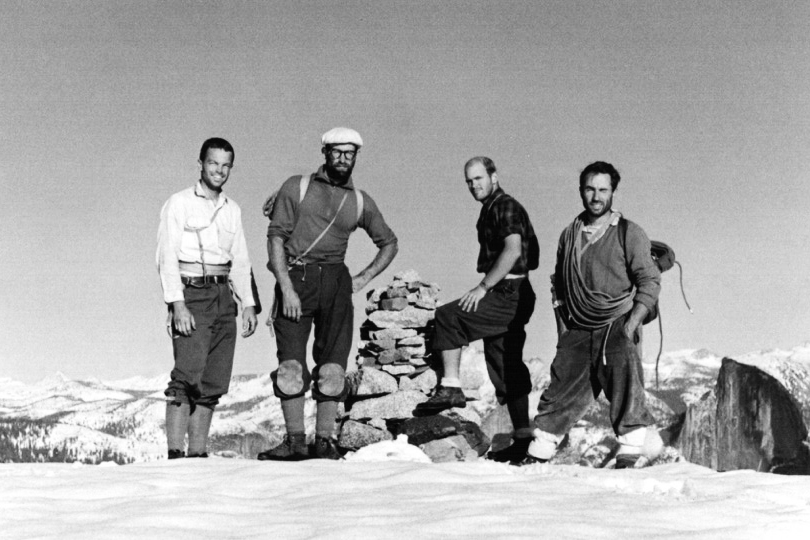
In the 1950s and 60s, Yosemite became the center of American rock climbing, with climbers like Yvon Chouinard (who would go on to found the company Patagonia) and Royal Robbins putting up many first routes and making big walls like El Cap and Half Dome world-famous. They would also develop new climbing technologies like molybdenum pitons and nuts. Their achievements would inspire generations of climbers like Jim Bridwell, Lynn Hill, and Ron Kauk to live at the infamous Camp Four and push the limits of human possibility.

Today groundbreaking climbers like Emily Harrington, Alex Honnold, and Tommy Caldwell are still sending routes that would have been impossible even a few years ago. One of the early Yosemite climbers-David Brower-would go on grow the Sierra Club from a regional hiking and advocacy group to America’s most prominent environmental organization.

Yosemite and the Sierras are also the birthplace of American backpacking, where people inspired by Jack Kerouac and Gary Snyder’s “Rucksack Revolution” started putting on Kelty framepacks in the 1960s. Today, nearly 4,000 people hike the John Muir Trail each year, half of them through-hiking the entire Pacific Crest Trail.

Royal Robbins and friends climbing in the park, 1964


Running amongst the monoliths

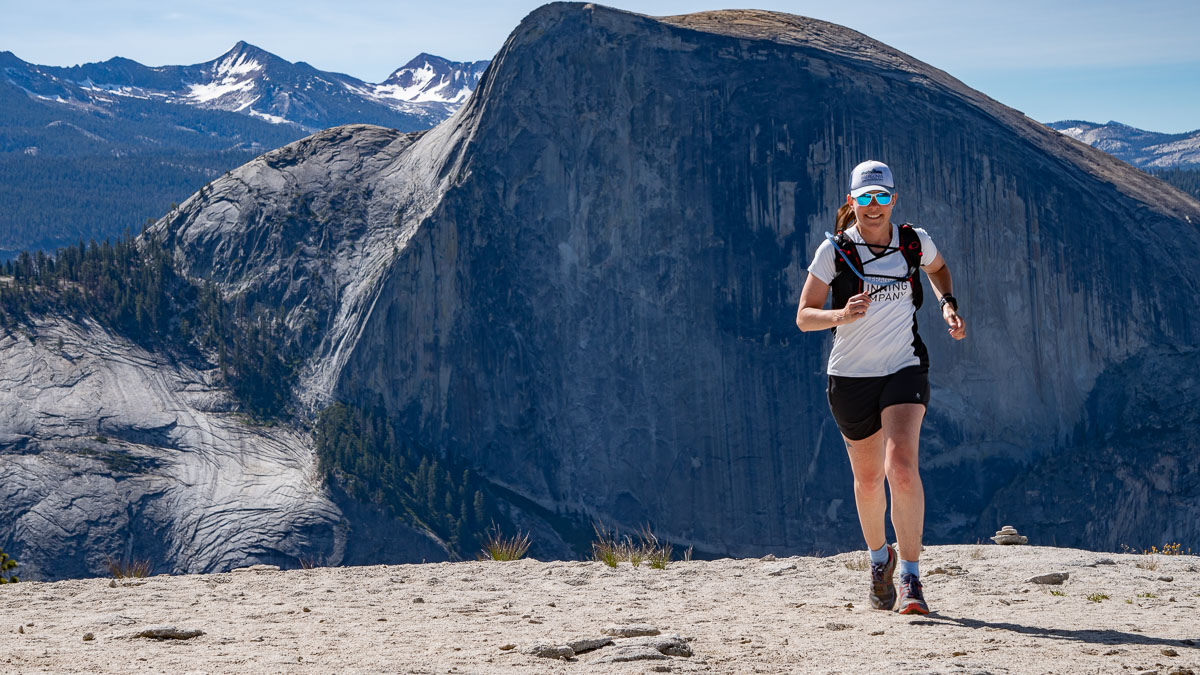
While Yosemite is best-known for climbing, there is a rich modern history of trail-running here, particularly on the John Muir Trail. Over the past decade, an assortment of ultrarunners have kept lowering the FKT (fastest known time) for the 212 mile trail, including Hal Koerner, Mike Wolfe, Darcy Piceu, and Leor Pantilat, before Frenchman Francois D’Haene set the current record at 2 days, 19 hours, and 26 minutes.  Former FKT holder Catra Corbett actually yo-yo’ed the trail, running the 424(!) miles in just over 12 days. Elsewhere in the park, climber Dean Potter set the FKT for Half Dome just two weeks before dying in a tragic wingsuit accident in 2015. Recently, Jason Hardrath set a number of records on the Yosemite Valley Loop El Capitan, and the Trans-Yosemite Trail. Countless other trails offer opportunities for runners to explore, whether they set records or not.

Yosemite, 2021

Today, Yosemite is a perfect example of the challenges the National Park Service faces as it tries to balance tourism and recreation with conservation. A century of Forest Service fire suppression policies combined with drier, hotter weather and smaller annual snowpack due to climate change have created a landscape that is prone to intense annual wildfire. These fires disrupt visitation and destroy ecosystems and infrastructure. 

At the same time, record-setting numbers of tourists and their cars mean that that the valley’s air quality can sometimes be substandard.  Backpackers, hikers and big-wall climbers often find themselves in situations where rescue and other medical services are called for. The park service struggles to create a safe, quality experience for all visitors while maintaining the unique landscape and ecology of Yosemite.


And today, as I watch clouds drift across the tip of Half Dome, I’m one of those grateful visitors. If you rock climb, or backpack, or enjoy photography, or consider yourself an environmentalist, or enjoy public lands-anywhere in the world- you owe a debt of gratitude to this place. But all of those stories and facts and historical figures fade away when you look at the 2,425 foot high Yosemite Falls, or find yourself in a Sequoia grove.  Yosemite’s greatest legacy is awe, the opportunity to deeply experience something bigger, wilder and more beautiful than you knew was possible.


Run Yosemite with Aspire!

Half Dome for the win.

If Yosemite with less crowds and more mountain running sounds like your kind of daydream, you are only one step away from a dream come true. Join us for some truly elevated trail miles on top of the Sierras.

We’ve already sold out 2 trips for 2021. The third trip has a handful of spots left. Hop on board!


Ian Ramsey

With three decades spent exploring the PNW and Alaska, Ian is based in Maine, where he directs the Kauffmann Program for Environmental Writing and Wilderness Exploration, and teaches writing, ecology, brain science, music and mindfulness to high school students. With over two decades leading trips and expeditions across the US, Alaska and internationally, he loves empowering people to take agency in their lives and discover new places. Ian is a poet and graduate of the Rainier Writing Workshop, and his writing has been featured in places like Terrain.org, Orion and High Desert Journal.  He also directs a community steelband, loves kayaking big water, drinks copious amounts of coffee, geeks out around nutrition, literature and fitness, and was once a member of an Inuit Dance Troupe.

Check out his website at Ianramsey.net

Categories
Aspire Culture Blog courses Culture Highlights Ross Lake Rally Wild

Fire Lookout Poets of the North Cascades

Fire lookouts in the North Cascades inspired a wave of beat generation poets whose withdrawal from societal expectations and literary musings inspired the birth of North American mountain culture. The influence of these poet-climbers has impacted generations of wilderness aficionados and reverberates in the hearts and minds of mountain people the word over.

Fire lookout
Beat Generation era fire-lookout

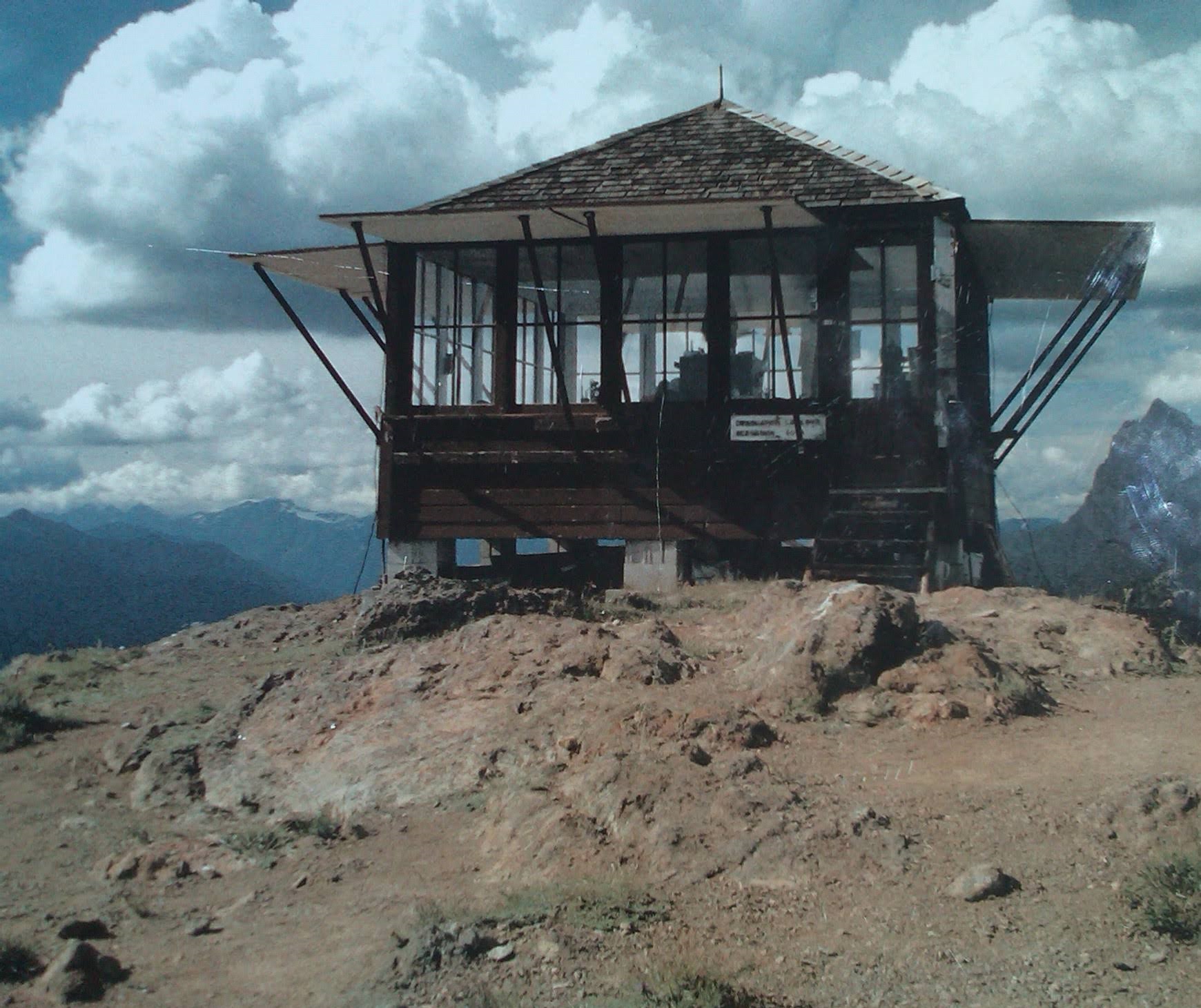
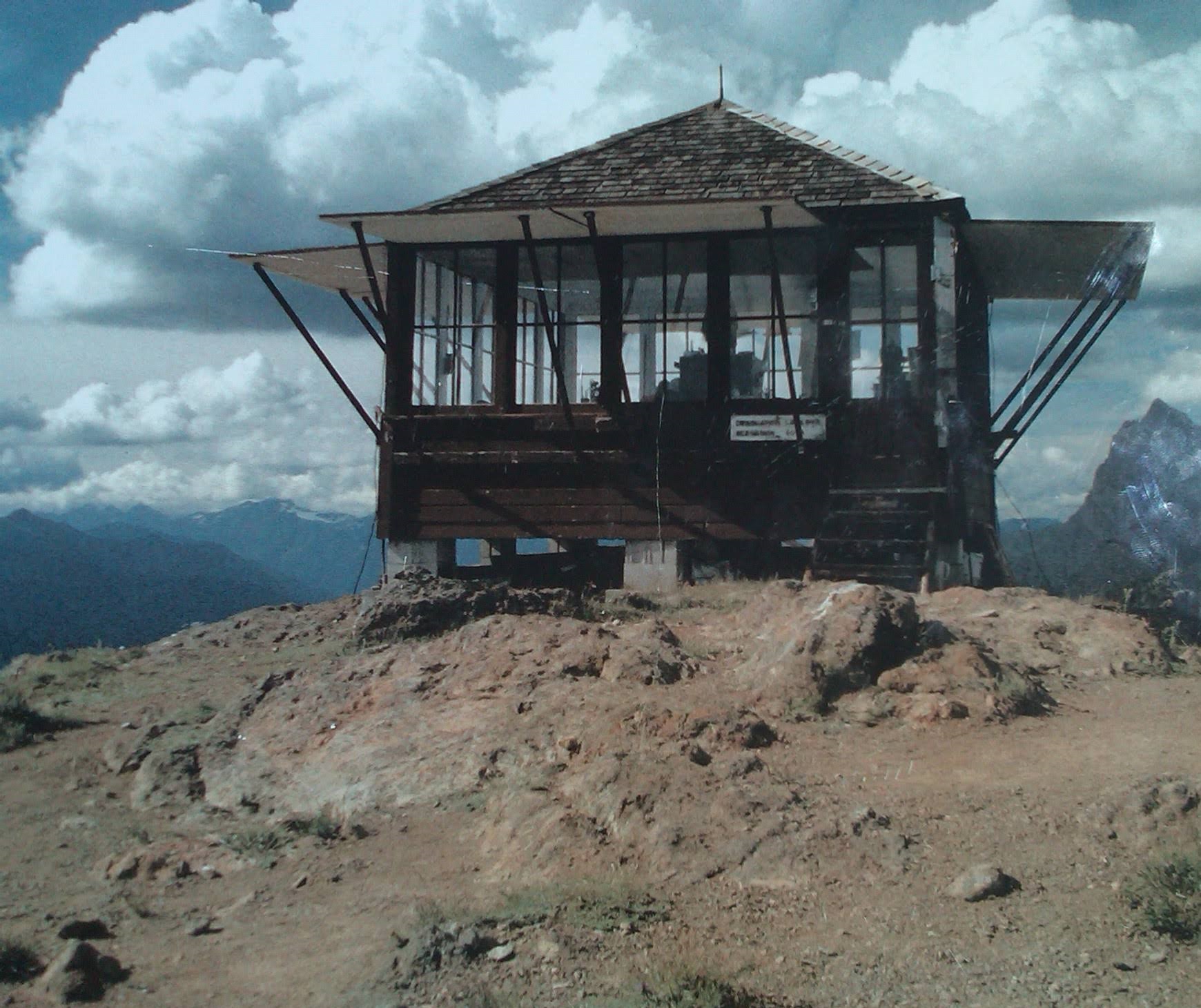
In February of 1952, a twenty-one year old graduate of Reed College applied for a seasonal job with the US Forest Service as a North Cascades fire lookout, requesting the “highest, most remote, and most difficult-of access lookout” possible.  He received an assignment as the summer lookout on Crater Mountain, a severe 8000 foot peak in the North Cascades of Washington.

Due to excessive snow, he wasn’t able to get to the summit lookout cabin until late July, and even then equipment had to be winched up the steep cliffs to the small wood-and-glass hut. The new fire lookout woke on his first morning to five inches of fresh snow and inverted icicles on the guy wires.

Little did he know that his time as a lookout over the next two summers would be transformative not only for him, but for American culture,  inspiring two of his Beat Generation friends to undertake similar journeys, and pointing countless Americans in directions that would include meditation, backpacking, mountain culture and sports, and environmental activism. His name was Gary Snyder.


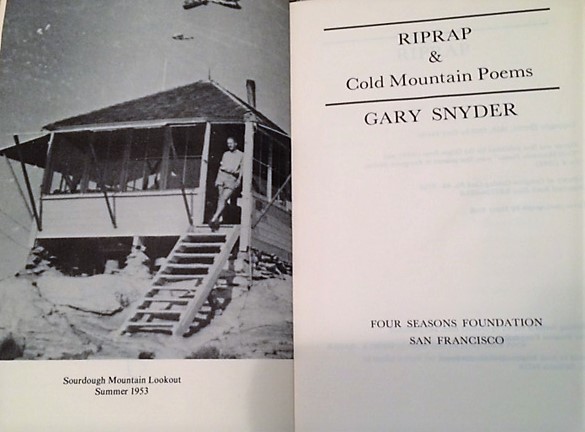
Gary Snyder on Sourdough Mountain
Snyder on Sourdough Mt.

Gary Snyder grew up in the Pacific Northwest during the Great Depression, in a working-class family with socialist union politics. As a kid seeing Chinese landscape paintings in the Seattle Art Museum, Snyder was struck by the similarities between the mountains of China and those of his native Cascades. Moreover, with lots of Japanese immigrant neighbors, he was intrigued by Asian culture, particularly Buddhism. 

As a teen, Snyder had started climbing mountains under the tutelage of the Mazamas mountaineering club, summiting Rainier, Hood and St Helens. At the intersection of these interests, he developed a deep and enduring interest in Zen Buddhism and its spiritual mountain traditions. During his time at Reed College, Snyder worked summers on trail crew, fire fighting and logging, and grew accustomed to rugged outdoor work and living. By early 1952 he was living in San Francisco, studying Asian languages at UC Berkeley and practicing Zen Buddhism. He knew that he wanted to explore Buddhist practice in the mountains, so he applied to be a lookout. 

Snyder spent his six weeks on top of Crater Mountain in a rhythm of fire watching, hiking and scholarship. Every day he would scan the surrounding ridges, using a device called an Osborne Fire Finder, to estimate precise locations of fires, and communicate via radio with the Ranger Headquarters. Beyond that, aside from daily tasks like splitting wood and melting snow for water, he was free to brew green tea, read Buddhist texts like the Diamond Sutra, meditate, practice calligraphy, and think deeply, inspired by the endless mountains around him.  The following summer he would work as a fire lookout on another peak, Sourdough Mountain. There he continued to study the Dharma and write poems influenced by ancient Asian poets. A perfect example is “Mid-August on Sourdough Mountain”:

Down valley a smoke haze
Three days heat, after five days rain   
Pitch glows on the fir-cones
Across rocks and meadows
Swarms of new flies.

I cannot remember things I once read   
A few friends, but they are in cities.   
Drinking cold snow-water from a tin cup   
Looking down for miles
Through high still air.”


Snyder would inspire two other writers to become fire lookouts: his Reed college roommate Phillip Whalen and Beat Generation icon Jack Kerouac. Whalen spent three seasons as a fire lookout and the time inspired many great poems and a lifelong dedication to Zen practice.

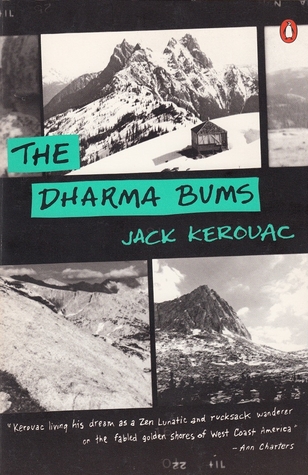
Cover of The Dharma Bums by Jack Kerouac

In the spring of 1954, Kerouac, still an unknown writer, moved to San Francisco, where he met and spent a great deal of time with Snyder, eventually writing the novel The Dharma Bums about their time together. These two, along with a broader band of misfit writers in San Francisco including Snyder, Kerouac, Allen Ginsberg, and Michael McClure, came to be known as the Beat Generation. This pivotal group sparked the beginning of the American counterculture that would eventually become the hippie movement.

Kerouac went on to spend a season as a fire lookout on Desolation Peak, the most remote lookout in the North Cascades. For Kerouac, who struggled his entire life with addiction and depression, it was the most peaceful time of his adult life. After his lookout season, he would return to civilization, and within a year become a celebrity after the publication of On The Road. In the ensuing years he would struggle with fame, never recapturing his mountain joy, and pass away in 1969 of alcohol-related issues.

Snyder went on to live in Japan for a decade, studying Zen, before returning to California and homesteading in the Sierra Nevada foothills, where he still lives today. He is last living member of the Beat Generation. He would go on to be at the forefront of the hippie movement, along with Ginsberg and Timothy Leary, and also to win the Pulitzer Prize for his poetry, which combined Asian Buddhist perspectives with the kind of ecological consciousness he had developed as a fire lookout.

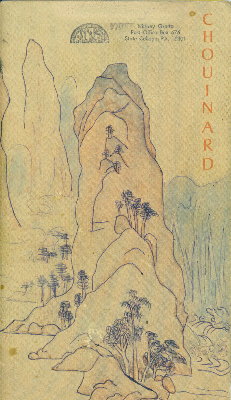
Chouinard Equipment catalog

The influence of Snyder and his lookout compatriots can be seen in myriad places, including the birth of modern American rock climbing and adventure culture (Yvon Chouinard’s first Chouinard Equipment Catalog features Chinese landscape paintings). The “Rucksack Revolution” that Snyder and Kerouac foretold was manifested as a 1970s explosion of interest in backpacking and hiking that has continued to today.  Snyder, Whalen and Kerouac all studied and practiced the kind of meditation that science and culture is increasingly recognizing as important for happiness and cognitive performance. Indeed, Phillip Whalen went on to the become a full lineage-holder Zen Roshi after decades of study and practice. They also laid the groundwork for a generation of PNW poets and translators of ancient Buddhist texts like Red Pine and Sam Hamill. As Snyder wrote about lineage in his poem “Axe Handles,”:

…Pound was an axe,
Chen was an axe,
I am an axe
And my son a handle, soon
To be shaping again, model
And tool, craft of culture, we go on.


Ian Ramsey is a writer, educator and ultrarunner. He directs the Kauffmann Program for Environmental Writing and Wilderness Exploration. You can find out more about him at www.Ianramsey.net.


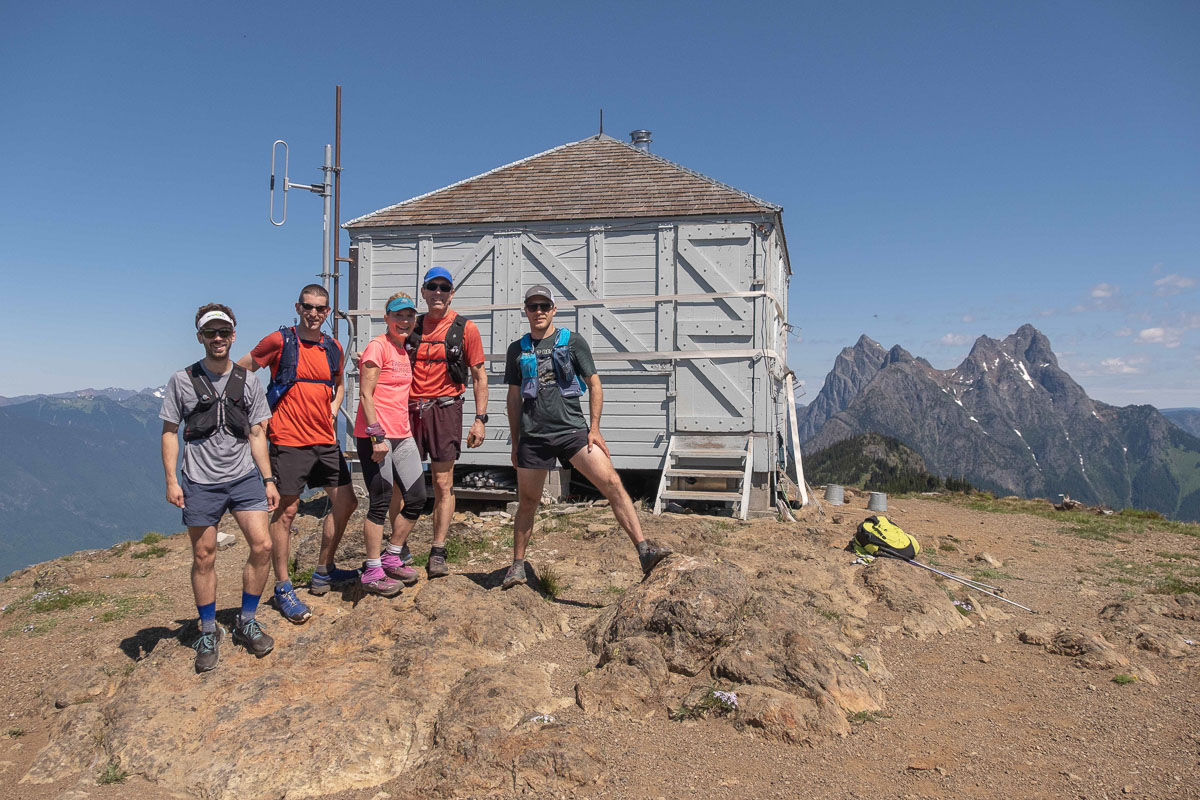
runners at fire lookout
Aspire runners in front of Desolation Peak, where Kerouac was stationed in 1956.


North Cascades fire lookouts are features of these Aspire trips:
Desolation Duo
Territory Run Camp
Stehekin
North Cascades Traverse