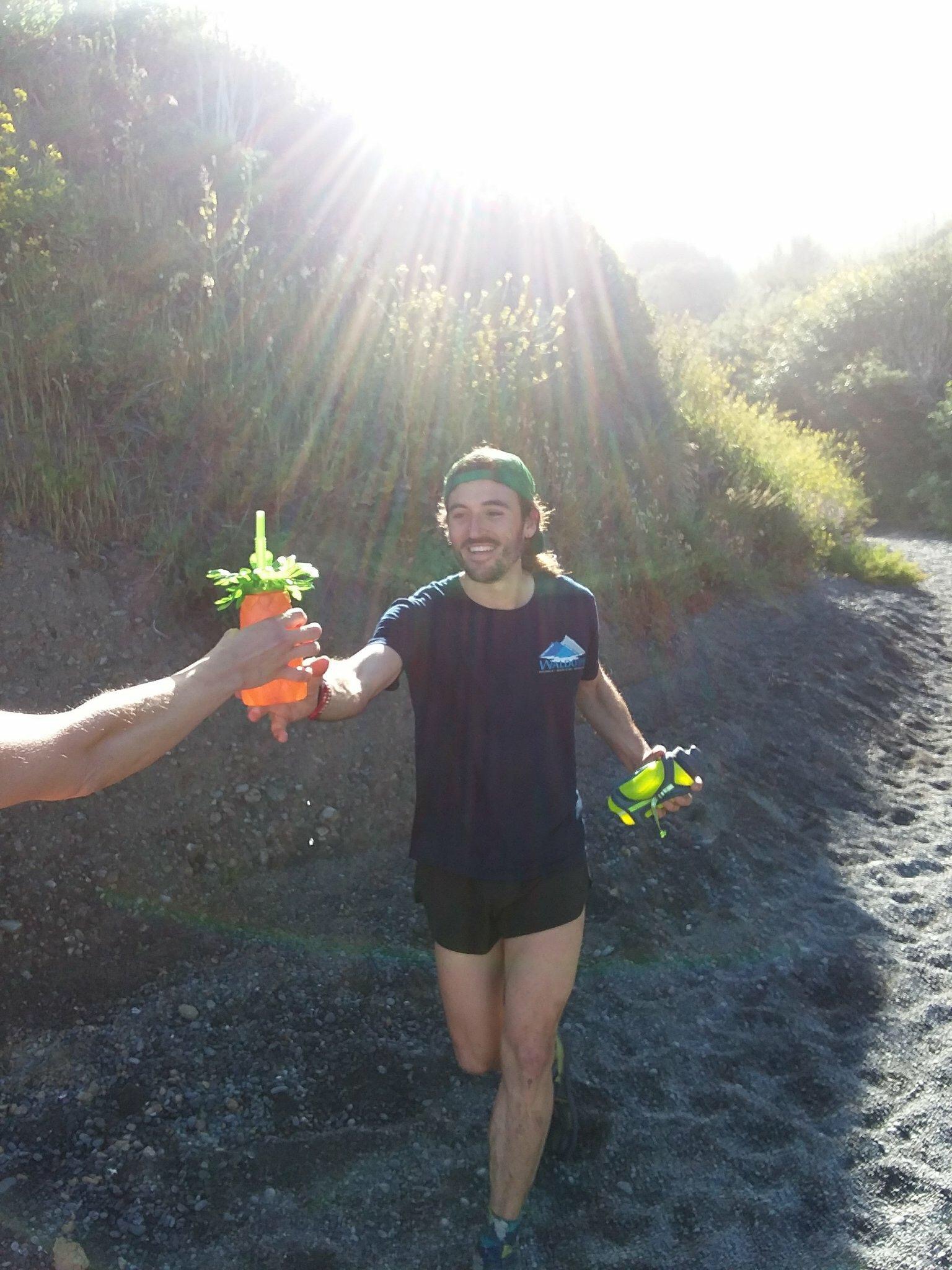
As runners of wild spaces, trail runners boast an impressive repertoire of skills. One that seems to be missing? Sitting still. Following the lockdown and the initial host of “around my block” projects, many runners looked to the mountains for a sense of freedom and turned to Fastest-Known-Time (FKT) lists for a sense of competition and motivation. Enter Mt. Rainier and a season of “fastest known time” attempts on the Wonderland Trail.

At 14,410′, Mt. Rainier’s dominating visage is both inspiring and intimidating. The tallest Cascade volcano boasts over 35 square miles of rock and snow with 26 glaciers, seven glacial rivers, and endless alpine meadows. While most known for its 150 years of recorded climbing history and an estimated 200,000 successful summit climbs, for trail runners, it is the trip around the mountain which beckons. 2020 saw an unprecedented season of time bending circumnavigations by trail runners as eight new records were set across varying categories of fastest known times on the Wonderland Trail.
Every August, the Aspire Adventure Running crew runs laps around Mt. Rainier, leading weekly trips of runners on a three day stage run of the Wonderland Trail. Our staff grows intimate with the mountain and deeply familiar with each curve of the trail; happy to share this knowledge with all those run, play, dance, and test their mettle on its rugged flanks. In 2020, that included not just trail runners, backpackers, and hikers but a number exceptionally fast runners with record breaking circumnavigation dreams.

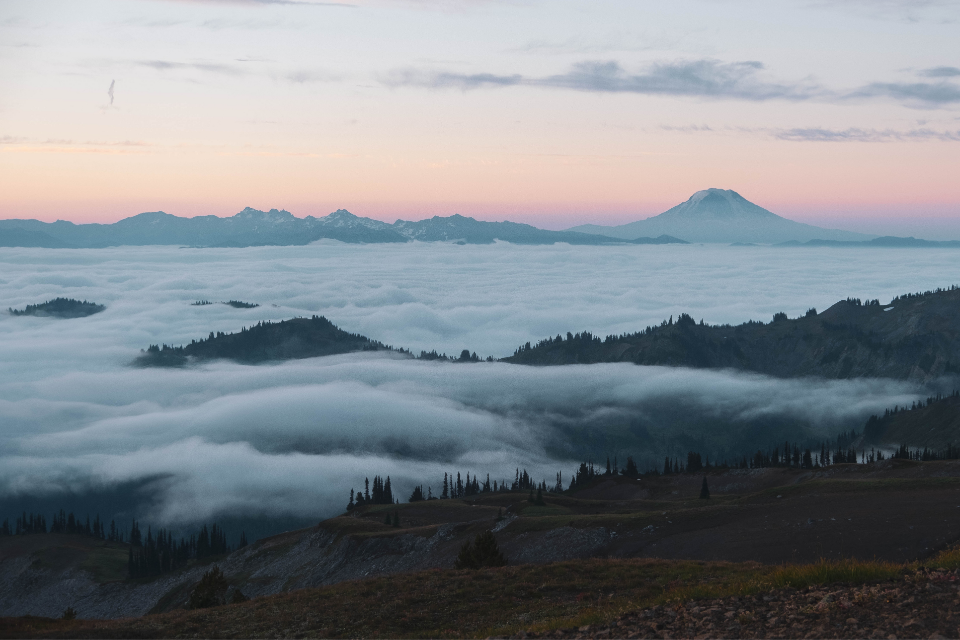
Dawn at Panhandle Gap
North Face runner Dylan Bowman functions better with a goal to keep himself accountable. Bowman grew up in CO and spent time living and running in California before settling down in Portland only about a year ago. ” I’ve been blown away in general with how good the running is in the PNW. It’s really an amazing place to run and to train.”
When the pandemic hit and races were cancelled across the globe, he turned his attention to a fastest known time attempt on the Wonderland Trail. “With Hard Rock cancelled, the Wonderland made perfect sense. I’ve always wanted to do it… I would classify the Wonderland is the single greatest North American adventure run there is, basically. I’ve done Timberline, Rim2Rim2Rim, Ultra Trail Mont-Blanc, Western States. The sheer magnitude and beauty of the route; I don’t think there’s anything that compares. ” Bowman exudes.
Prior to this year, the supported Wonderland FKT was held by Ryan Ghelfi at 18 hours 27 minutes and 42 seconds, as reported on FastestKnownTime.com. But when Aspire’s course director Abram Dickerson rolled up to Longmire ready to send runners off on Day 1 of the season’s first Wonderland trip, he bumped into filmmaker Ryan Thrower. Later that day, at Mowich Campground, Abe ran into him again. Over the course of dinner, it came to light that Ryan was doing preliminary shot scouting to film Bowman’s upcoming FKT attempt. Three weeks later, on August 19th, Bowman rolled into his finish at Cougar Rock with a new record time of 16:58:41, knocking almost 90 minutes off of Ghelfi’s 2018 time.
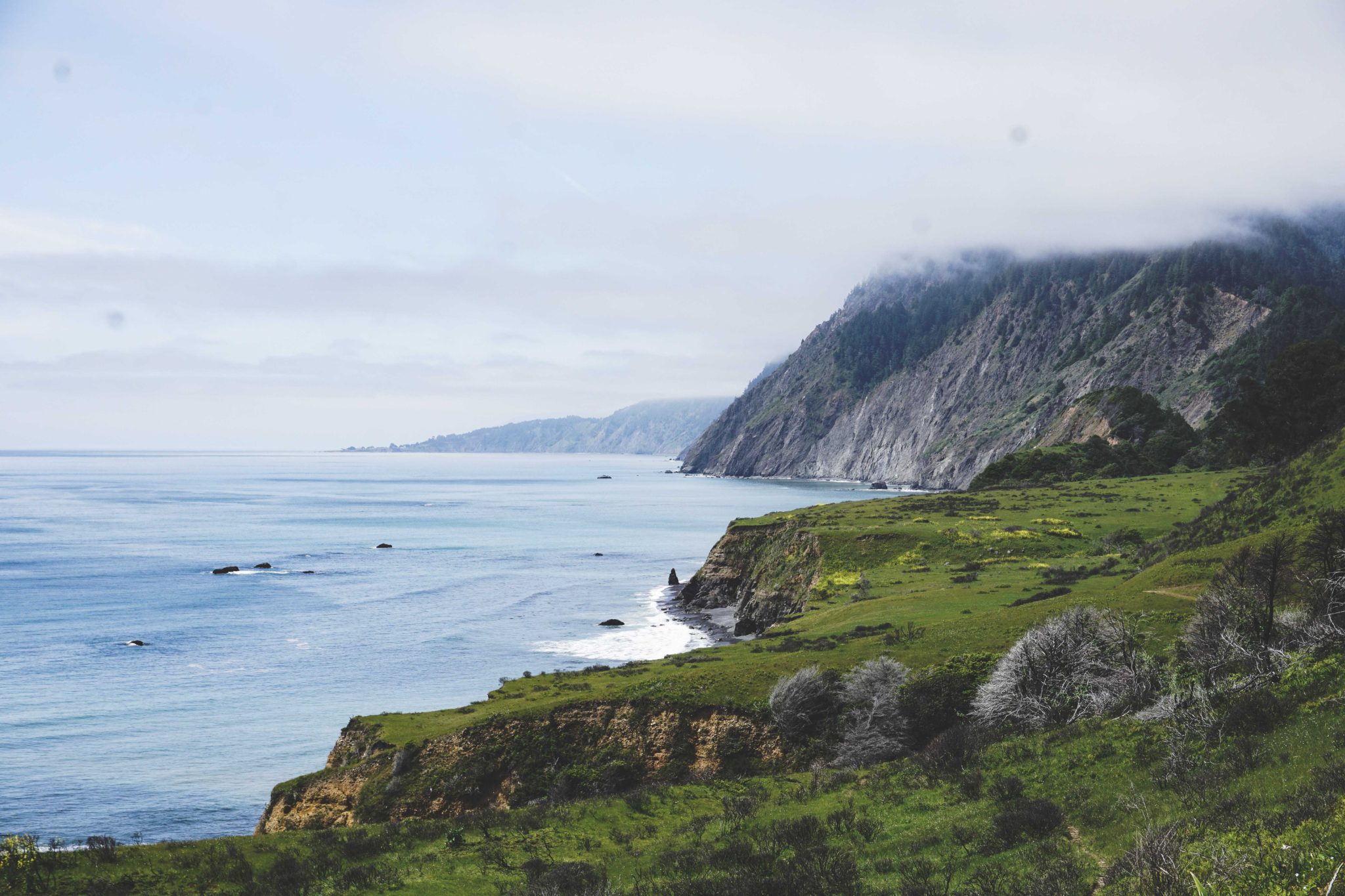
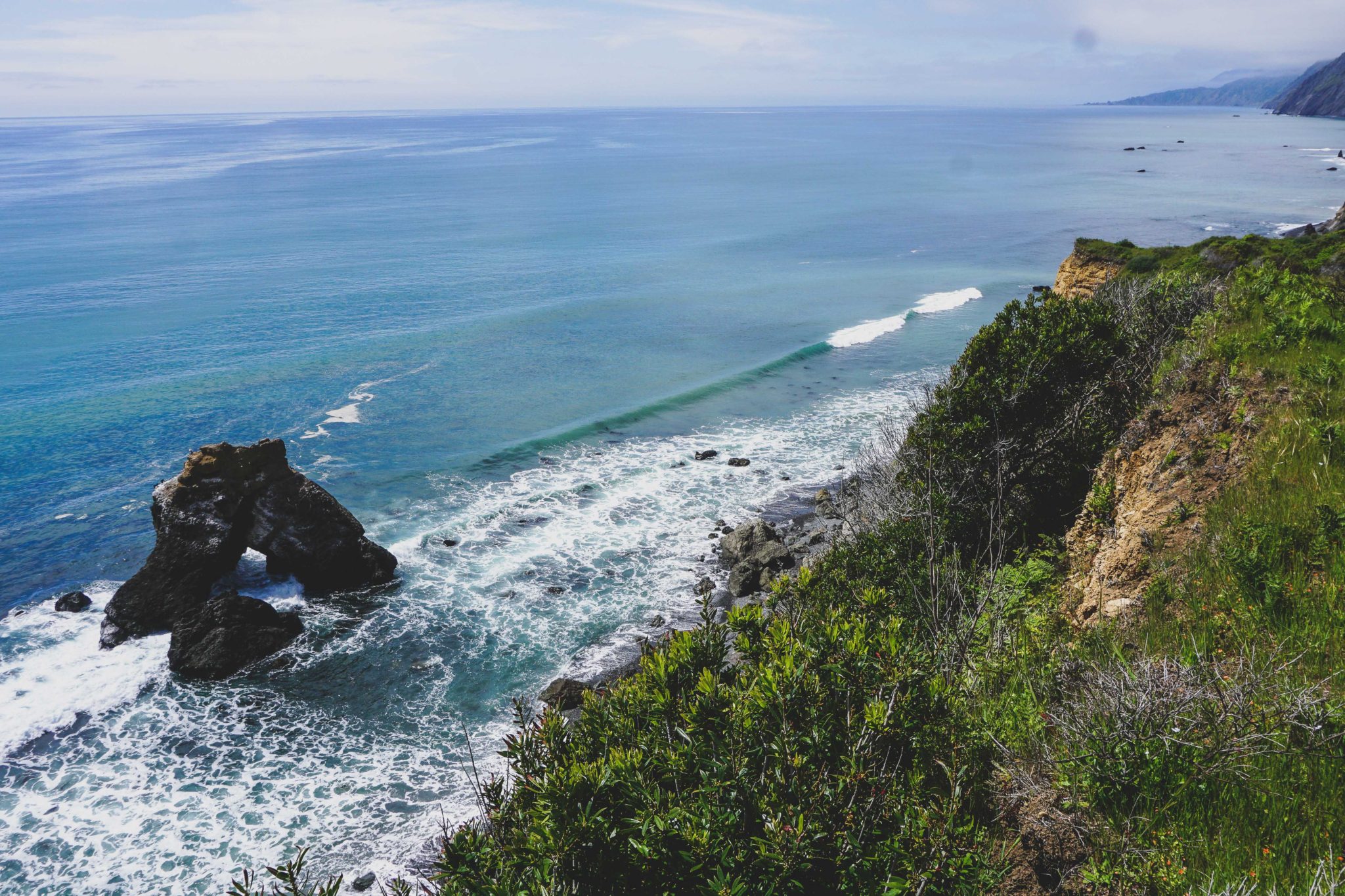
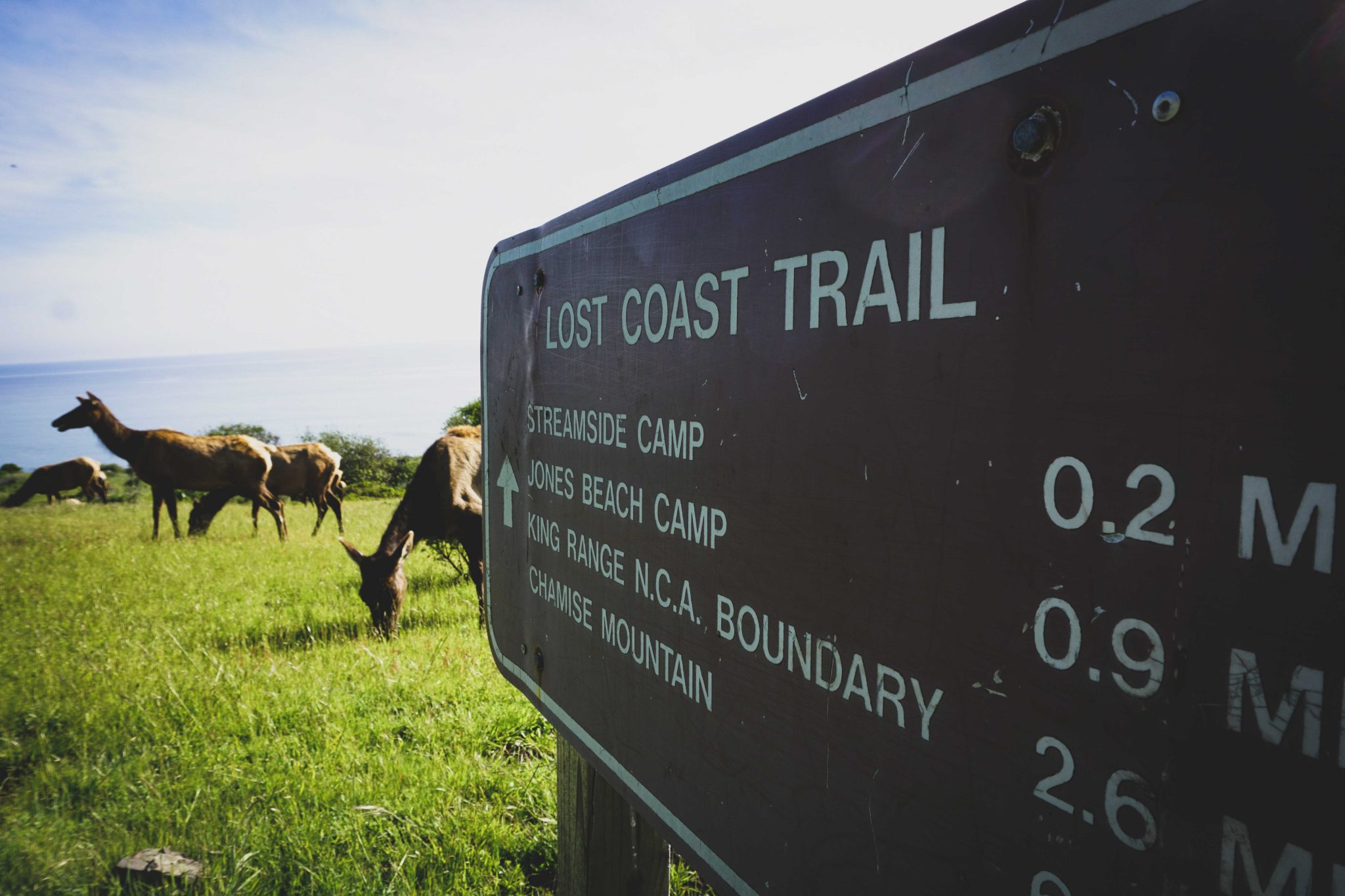
Jeff Mogavero is a Missoula based trail runner and friend of Aspire with some quick legs. Earlier this year, he contributed a piece on his Lost Coast FKT for the Aspire blog. In 2018, he followed Dylan Bowman’s FKT on California’s Lost Coast Trail by knocking ~60 minutes off his time on the 57.6 mi stretch of remote coastline. In July of this year, Jeff set a since usurped FKT on Wyoming’s Teton Crest Trail. The first time I met Mogavero was in 2015, when I gave him a ride back to Bozeman, MT from a trailhead in the Bridger Mountains. We’d connected for a few runs through the sweeping Montana landscape, but I was surprised to receive a phone call from him in early August. Jeff would be out in a few weeks to gather beta on the Wonderland, preparing for a FKT attempt. Serendipitously, his schedule would overlap with ours. I assured him that if needed, we’d be happy to make room for his bivy at Aspire camp.

By the time Mogavero and I met up during his preliminary run, Bowman’s had been dethroned from his Wonderland FKT record. “[It’s] my claim to fame: set an FKT–it gets broken immediately. I did the Lost Coast, the Loowit, 3 Sisters, all broken just a few days later,” Bowman half laments, half jokes. Just five days after Bowman set a supported record, Tyler Green, a Portland area runner with 12 postings on fastestknowntime.com, dropped Dylan’s time by 18 minutes. This brought the time to beat to 16:40:55.
Preparing for his next day of beta in Aspire’s camp at Mowich Lake, Jeff asserted cautious confidence towards the 10:45/mi average pace required to best Tyler’s new record. We dished him up a plate of spaghetti as a thanks for help schlepping gear and wished him all the speed God could give. Hardly the only person to have his plans interrupted by the unforeseen in 2020, Mogavero eventually had to scrap his FKT attempt due to the thick smoke and fires of mid-September.
On August 26th, two days after Tyler Green reset the overall supported record, Issaquah based runner Kaytlyn Gerbin went out for her own fastest known time attempt on the Wonderland Trail. Something of a legend in the Pacific Northwest, if not beyond, Kaytlyn holds FKT’s on Washington’s Ptarmigan Traverse and the Mt. Rainier Infinity Loop, a course that includes a run of the Wonderland connecting not just one, but two summits of the mountain. “A lot of emotional energy has gone into the mountain in the last few years. Every year, I’m looking for a new style to get on the mountain.” Gerbin shared.
Even with her intimate knowledge and experience on the trail, there’s no getting around the challenge of the terrain the Wonderland presents. Fortunately, the Wonderland doesn’t deal out punishment without ample reward.
“All the sections were pretty hard. I caught sunrise at Golden Lakes, and I love the views of Rainier there. It feels pretty remote. Then coming into Sunrise was an awesome section for me. I had friends who had gone out to take photos and told people in the area what I was doing, so I had a lot of strangers waiting for me to come through and cheering. That was such an empowering moment.”
“I hit a pretty good low up above Panhandle Gap… three-quarters of the way through… you get into some altitude and we had no cloud cover, baking in the sun exposure. I did that section with Alex. We had such strong memories and that helped.”
Kaytlyn’s pacer and friend, Alex Borsuk, shares the Ptarmigan Ridge and Rainier Infinity Loop FKT’s with Gerbin, and would set the unsupported women’s record this year on September 10th with a time of 1 day, 1 minute and 26 seconds.
Gerbin rolled into Cougar Rock with a 18:41:54 finish, beating the previous female supported record by over 3 hours and posting the 4th fastest time over all.
For Gerbin, a personal connection with the mountain was a motivating factor to take on the the FKT. “It was really exciting…everyone has been finding new ways to explore their backyard. Most of the people who went after fastest know time attempts on the Wonderland Trail this year have some personal connection to the landscape,” said Gerbin.
Ryan Montgomery echoed this sentiment. “Growing up around Seattle and seeing the mountain, it calls to you. As a kid my Dad would take us up to Crystal [Mountain Resort], and I got fond of the whole area. I’ve spent half of my time for work in Seattle for the last few years and seeing all the stories coming out from the mountain (this summer), I felt like I needed to be there too, and I might as well do it.”

More than a month after Kaytlyn’s run, Montgomery, an Auburn, WA native currently living in Truckee, CA, set off from Cougar Rock after the unsupported FKT record. The unsupported approach comes with the expectation that you will receive no external support. “This means you carry everything you need from start to finish except water from natural sources,” according to FastestKnownTime.com
Montgomery liked the added challenge of running unsupported. ” I have always been intrigued by the unsupported aspect. I’m used to racing 100 miles with aid stations every 8 miles… kush life! I wanted to see what (the unsupported style) was all about. The Wonderland is good to do as an unsupported route… in the PNW there’s a plethora of water sources so I knew that wouldn’t be an issue…The whole day I was connected to the mountain for hydration. It makes you realize how important this mountain is and I feel humbled that I was able to run this hard route.”
The downside of the unsupported approach is the extra weight runners have to carry in nutrition and necessities. “I’m grateful for my weight vest work outs. They definitely helped. After Carbon River I did a lot more hiking than running uphill. But that meant I was able to to really crush the downhills,” Montgomery said. Montgomery set the current unsupported Wonderland FKT at 18:49:11 on October 3rd, the third time that title was handed over this year.
All of these records add up to a lot of time on feet, even at increasingly quick speeds, and yet for some elite runners, spending one day out pushing the limits of FKT attempts on the Wonderland Trail just isn’t enough.
During the final Wonderland trip of the Aspire season, Peter Mortimer rolled into Aspire’s White River campground site in the dark. Mortimer, an Aspire alumni, was 1/3 of his way into an attempt on Ras Vaughn’s (outrageous?) Double Wonderland FKT. Peter rested briefly and talked shop on the upcoming miles before disappearing into the night. That was the last we heard from Mortimer, but a Double Wonderland FKT was posted this year by Christof Tuescher. He spent 3 days, 10 hours, and 50 minutes on the mountain seeing everything there was to see…twice. Remarkably, a triple Wonderland had also been posted by Tuescher this year, with a time of 5 days, 11 hours, and 49 seconds. Tuescher’s FKT athlete page reveals 25 records, including self-supported Pacific Crest Trail through WA record, that was reset this year by Jonathan Thomas, and numerous other multi-day efforts around the mountain West.
Is this Wonderland record game a fluke or a sign of the times?

Last year, runners set about 700 Fastest Known Times. This year, nearly four times as many new FKTs have been recorded and posted to fastestknowntime.com. Maybe it’s the weeks of being cooped up at home or the desire to feel connected to community in some way, that has made 2020 special. It could be the canceled races forcing people into racing against times instead of bodies. Or perhaps it’s just a sign of the increasing popularity of a sport once deemed only for the crazy or genetic marvels.
“My 2020 goal was to be podium at Western and top 10 at UTMB. That didn’t happen, but I still felt like I needed a goal where I could say ‘I’m still here’,” Montgomery weighs in. “I think races will be coming back and that will inherently limit FKT attempts, but I think everyone has realized what FKT’s are and that traction won’t go away. The press and content… so many people have thought ‘I need to run that next year’.”
For Mogavero’s part, the mountain now holds a piece of him he plans to return to retrieve. “I put so much time, effort, and mental energy into that trail this fall. It’s all I thought about every single day for a month. I ran it again and again in my head falling asleep. I feel very motivated to get back to (the Wonderland) Trail.”
The allure of hitting the dirt in wild places and pushing one’s physical and mental boundaries is at the core of trail running. Fastest known time records are only one way that trail running is developing as a sport.
“I hope one of the things that sticks is people exploring locally. I see myself going out for some more FKT’s in the future but I will balance that out with routes that are fun. I hope people will not get to sucked up in the numbers and go enjoy the mountains,” shared Gerbin.
Regardless of the why, it’s clear 2020 has meant more time connecting with wilderness. Trail runners are pushing boundaries well past where they were before. Rest assured, the Aspire crew will be there next year, ready with beta for anyone feeling called to run through the forests, meadows and alpine splendor of the Wonderland Trail.
Curiosity piqued? Check out the Wonderland FKT boards.
All photos shot by Nick M Danielson.
Aspire Adventure Running runs 3 day stage trips on the Wonderland Trail through the month of August. Get into the details on incredible food, big mountain days and real running community on Mt. Rainier.

Trent Banks is a mountain rambler, a disc jockey, and father of two daughters, based out of Bellingham, WA. He joined the Aspire crew in 2018. You can find him playing clubs and livestreaming DJ sets, working aid stations at races across the Pacific Northwest, and guiding trips with the rest of the Aspire team.
Listen to his Spirit Ventures DJ mix series, inspired by and made for trail running.