Categories
Blog courses Destinations Goat Rocks Stage GR Highlights Reverb Stage Trip Reports Trip Styles

Running the Ancient Volcano

A Goat Rocks Stage trip report.

I’m a desert rat at this point, spending the last 20 years in Arizona, but I will jump at any chance to visit and explore the vastness of the PNW landscape. Last year, My Spring Energy reached out to me to see if I’d be interested in attending an Aspire Adventure Running trip in WA to shoot some promo images. I jumped at the opportunity as I had attended one of Aspire’s trips a few years back and that trip in the North Cascades, was so memorable for me.

Photos by Steven Mortinson

My takeaway from my first Aspire adventure? You just show up and run! Camp was all setup, food was prepared. It was bougie run camp. The morning of that first run they dropped us off via boat on the Canadian border and we had to run 50 miles back to camp up and over Desolation Peak. Aid was provided for us, but it was more about the adventure of just carrying everything on your back. When we got back, food and drinks were waiting. It was marvelous. Yes, I wanted to do that again.
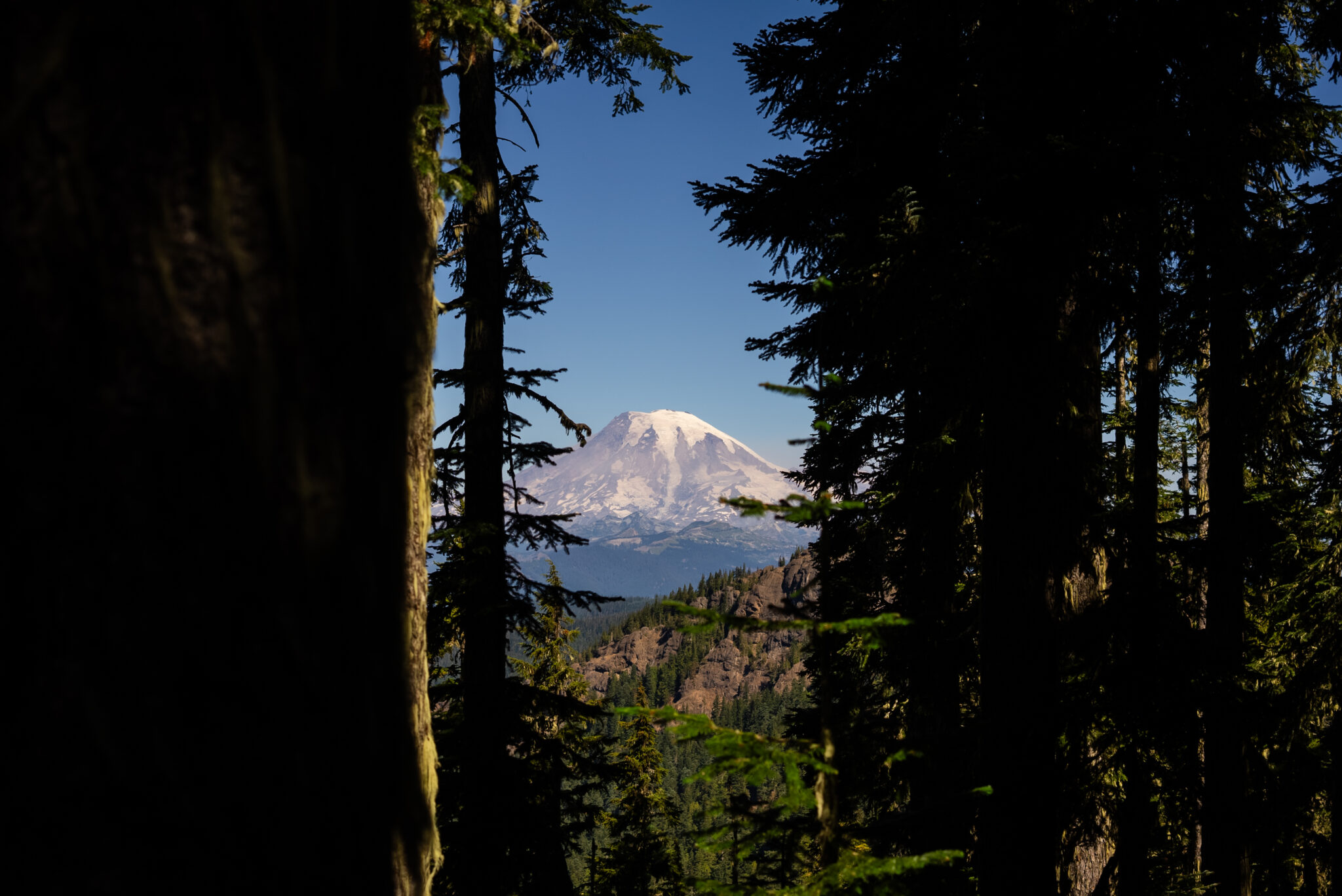
Mt. Adams from the Goat Rocks Wilderness

Now, I had circumnavigated the Wonderland Trail around Mt. Rainier a few years back, but I really had no knowledge of the neighboring Goat Rocks Wilderness. The Wonderland was one of the most magical places I’d ever run, almost like an alien planet. Some quick research of the Goat Rocks showed that I’d be in for high alpine running, covering a section of the PCT that included glacial lakes and an extinct volcano wilderness. Aspire’s itinerary covered 50 miles over two days, including 14k of ascent? SIGN ME UP!

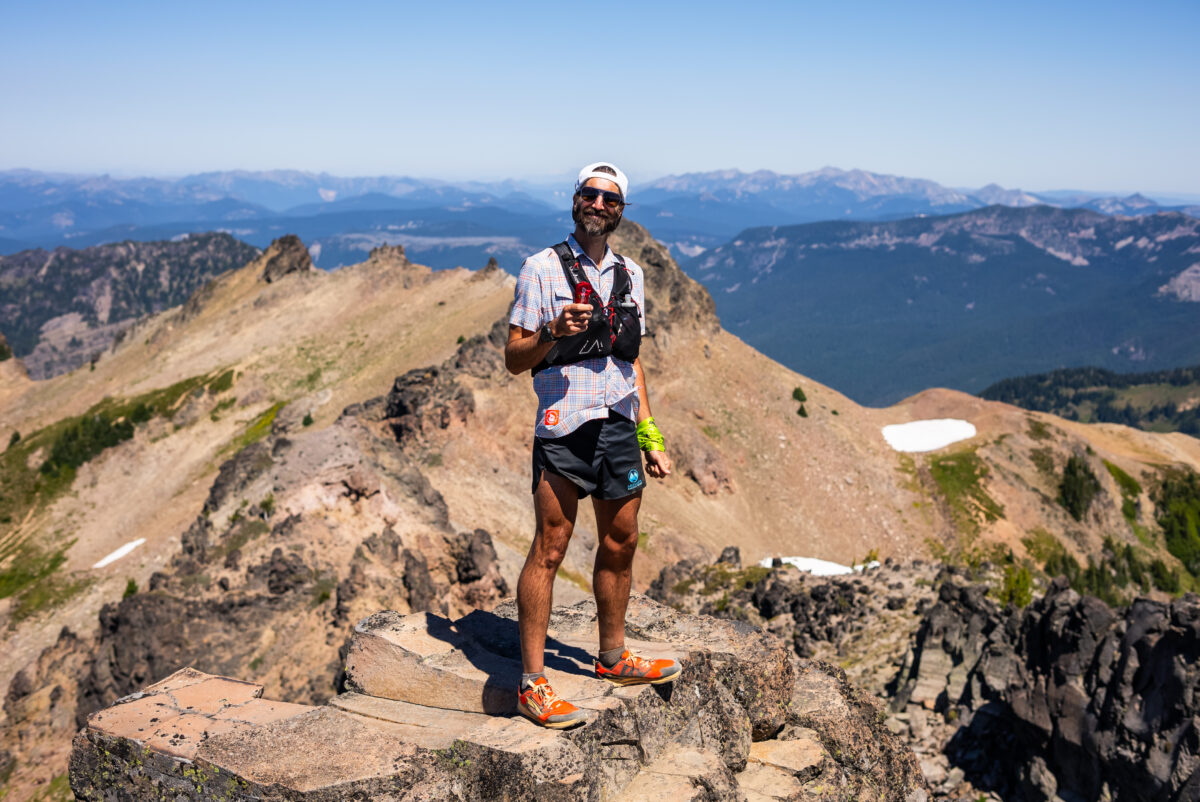
Upon arrival in Packwood WA, I was quickly greeted by other runners and some familiar Aspire faces including Abram Dickerson, who founded the guiding outfit back in 2014. Alyssa Clark, my Spring Energy teammate, was also there with Steven Mortinson, who was shooting photography.
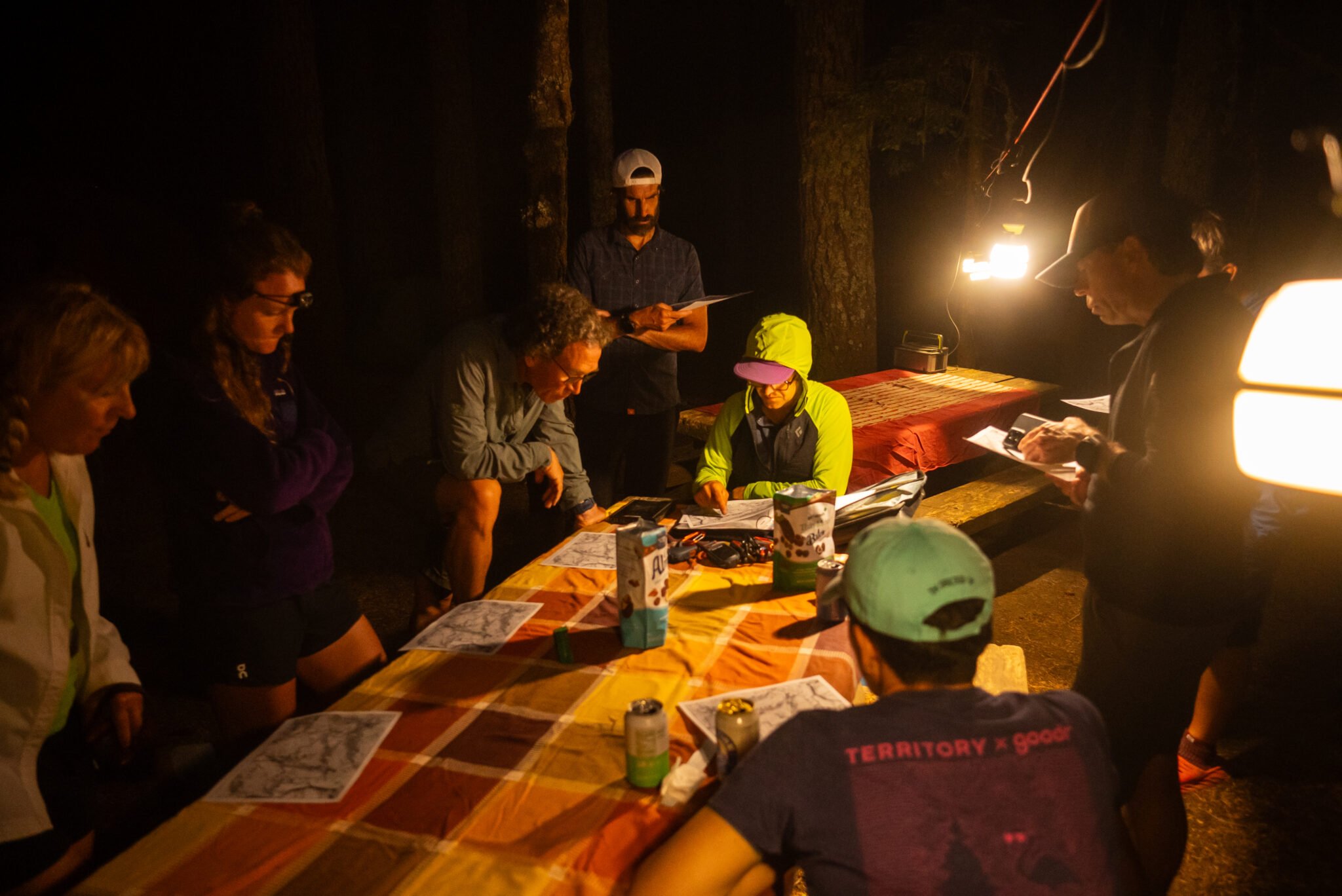
Runner’s receive beta for the upcoming day’s run at basecamp.

You could feel the excitement amongst everyone. Everyone was there to have their own experience, but we were all there to run and take in the majesty of the Goat Rocks. After some spectacular dinner (they literally will cater to everyone), we got an early night’s rest preparing for the first 20 miles of the route.

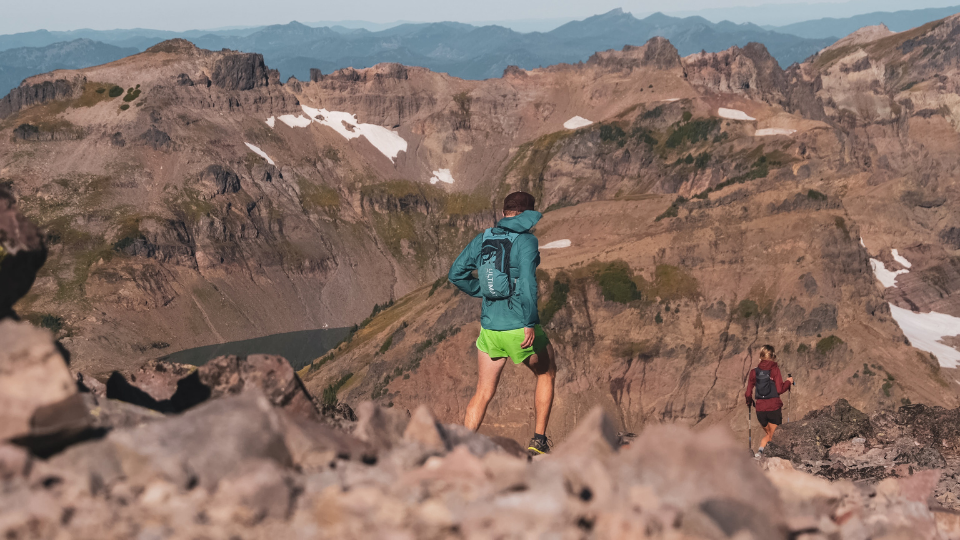
Day 1 was an ascent up and over Angry Mountain to Goat Lake, then back down to Snowgrass Flats and Chambers Lake. After a short drive up the forest road, we unloaded onto the single-track trail that headed straight up Angry Mountain. Runners started to group up together, and I started to get to know Alyssa and Steve. Alyssa is an incredibly strong runner and after some quick conversation, I realized that we had run many of the same races, and sometimes at the same time. I knew quickly that if she shared the same love for insane vertical rugged ultramarathons as I did, it was going to be a fun couple of days.
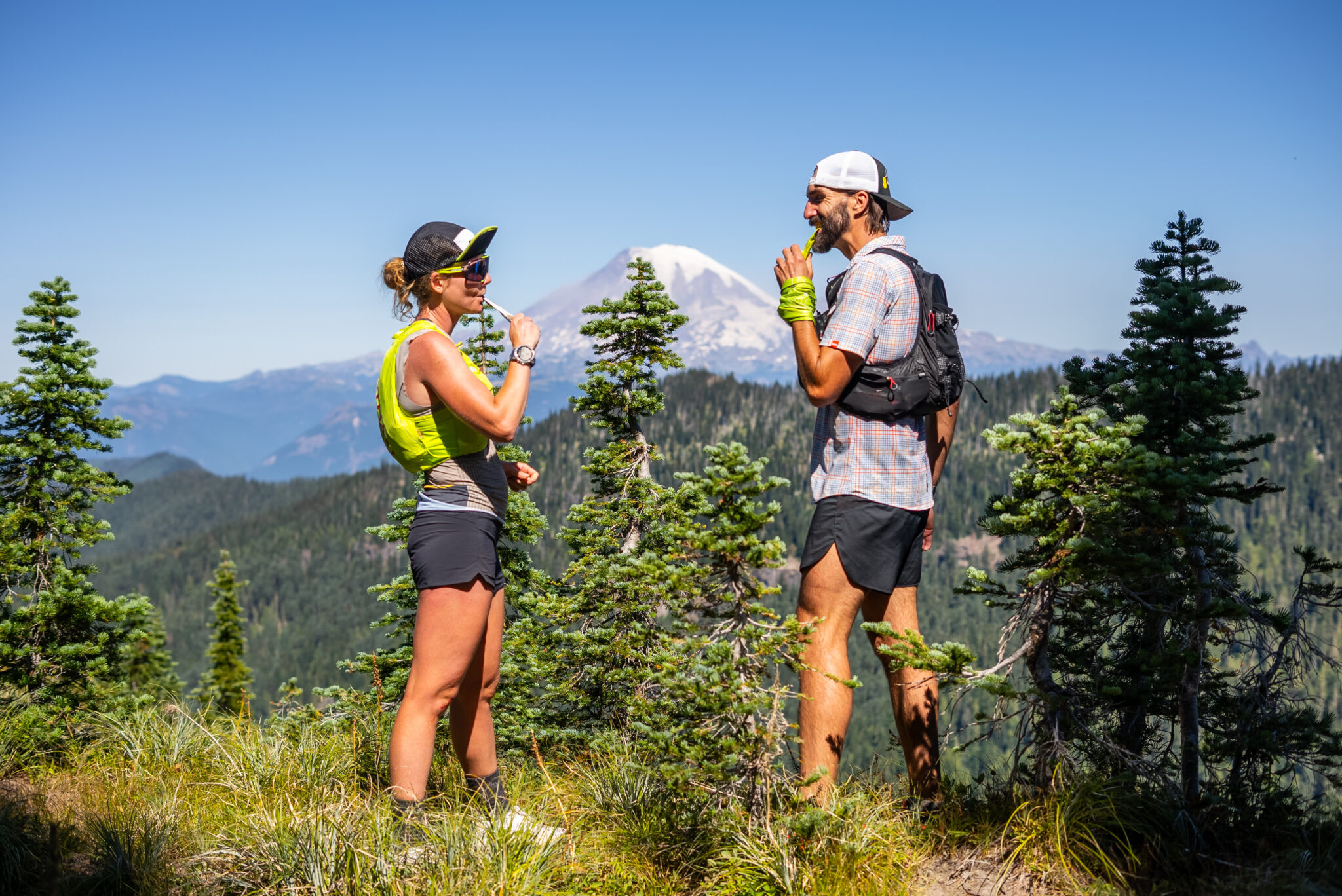
Peter Mortimer and Alyssa Clark enjoy My Spring Energy gels on trail.

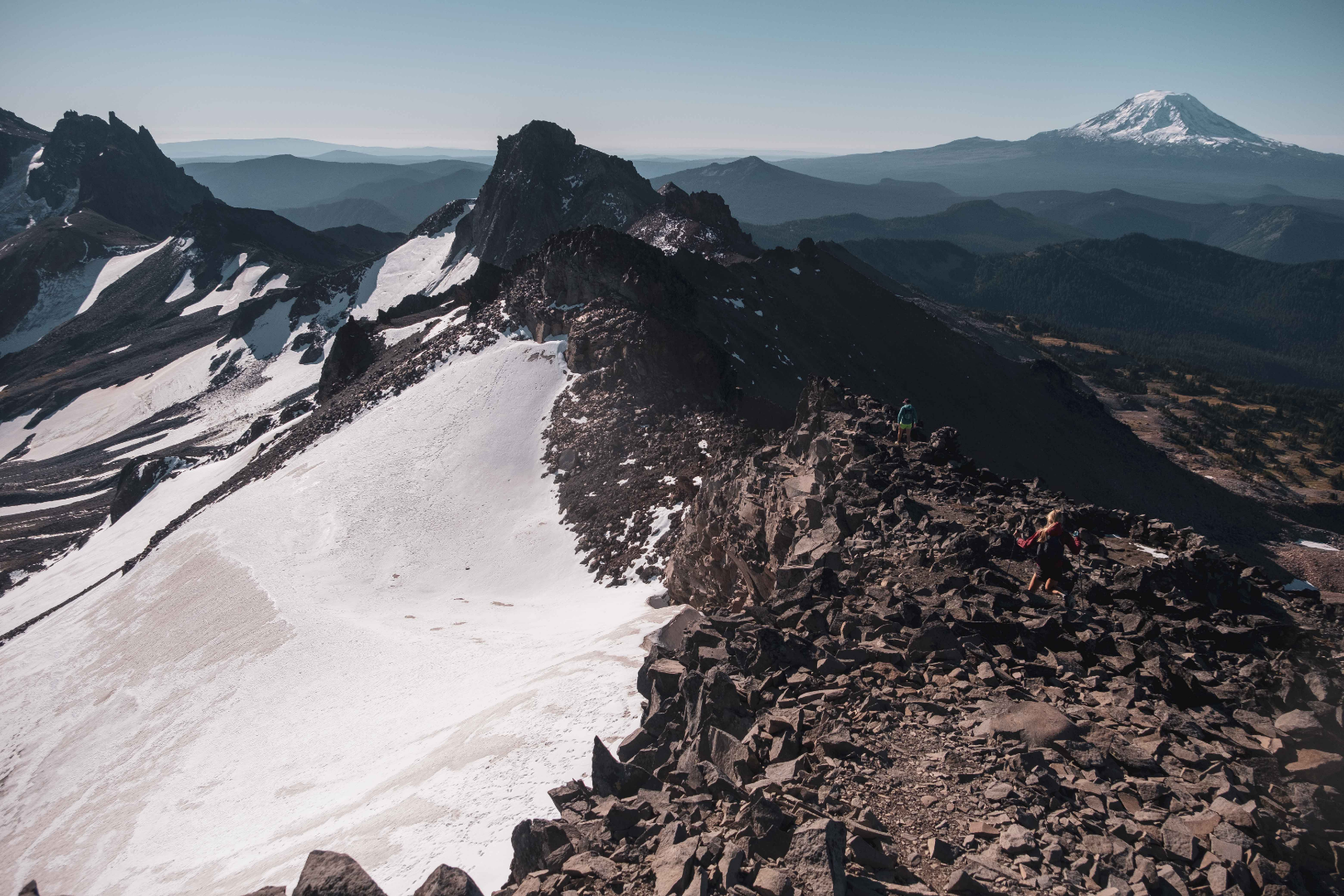
Although I live Flagstaff (Arizona with trees), the level of greenery is like nothing else in the dense forests of the Cascades. The green has green. It’s almost luminescent. After a punchy climb, we finally broke through the luscious tree line to bright blue skies and amazing views of Mt. Rainier and Mt. Adams. “This is why we’re here,” I remember thinking.

The single-track ridgeline down to Goat Lake was phenomenal. I had to stop frequently to take it all in. It’s moments like that when you feel so tiny in such vast beauty that you remember why trail running is like no other. After a short stop at the glacier lake for lunch, Alyssa and I decided to turn on the jets and bomb the descent back down to the Aspire group at the trails end, who were waiting with snacks and beverages. The evening was spent with a nice fire and some time by Walupt Lake relaxing. Day 2 would be longer. 30 miles and a touch more climbing.
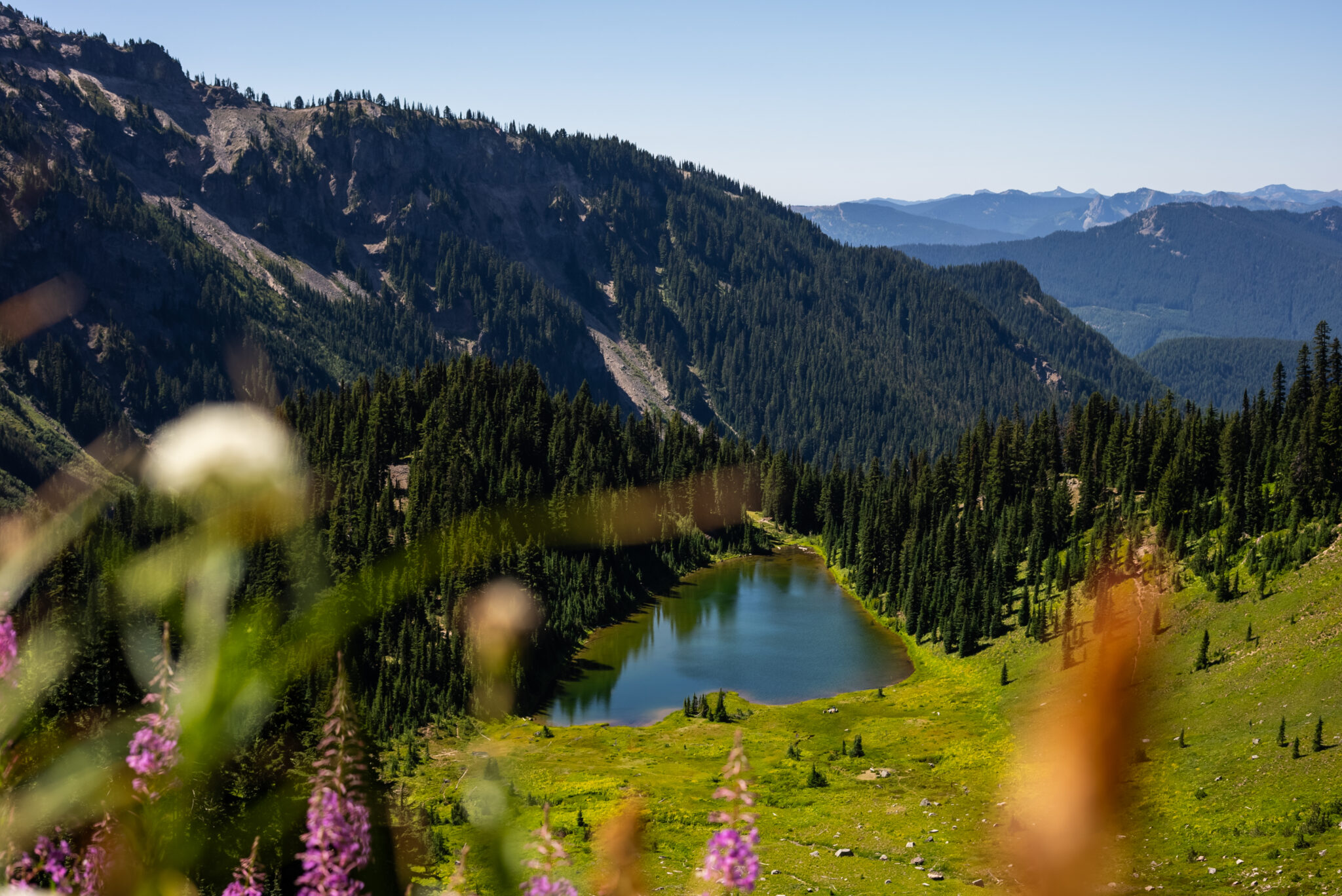
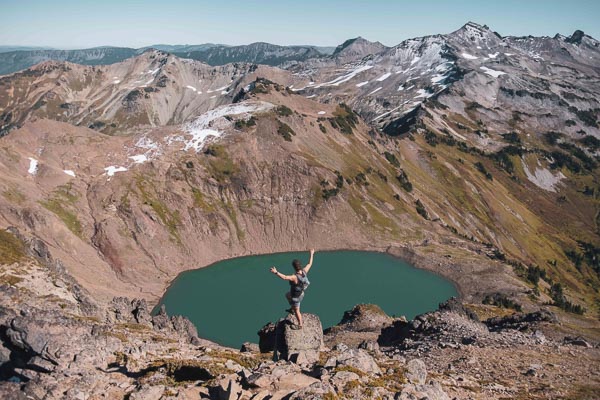
An alpine lake in the Goat Rocks Wilderness.

Day 2 conveniently started from camp. Overnight a storm had blown in and with it, a tremendous amount of smoke from a fire north of us. Although it made the visibility a little hazy, we weren’t about to let it ruin our fun. The route would take us up to Sheep Lake, where we’d join the PCT up to the summit of Old Snowy Peak. From there it was ridgeline running all the way to White Pass campground where there was talk of victory tacos awaiting us.
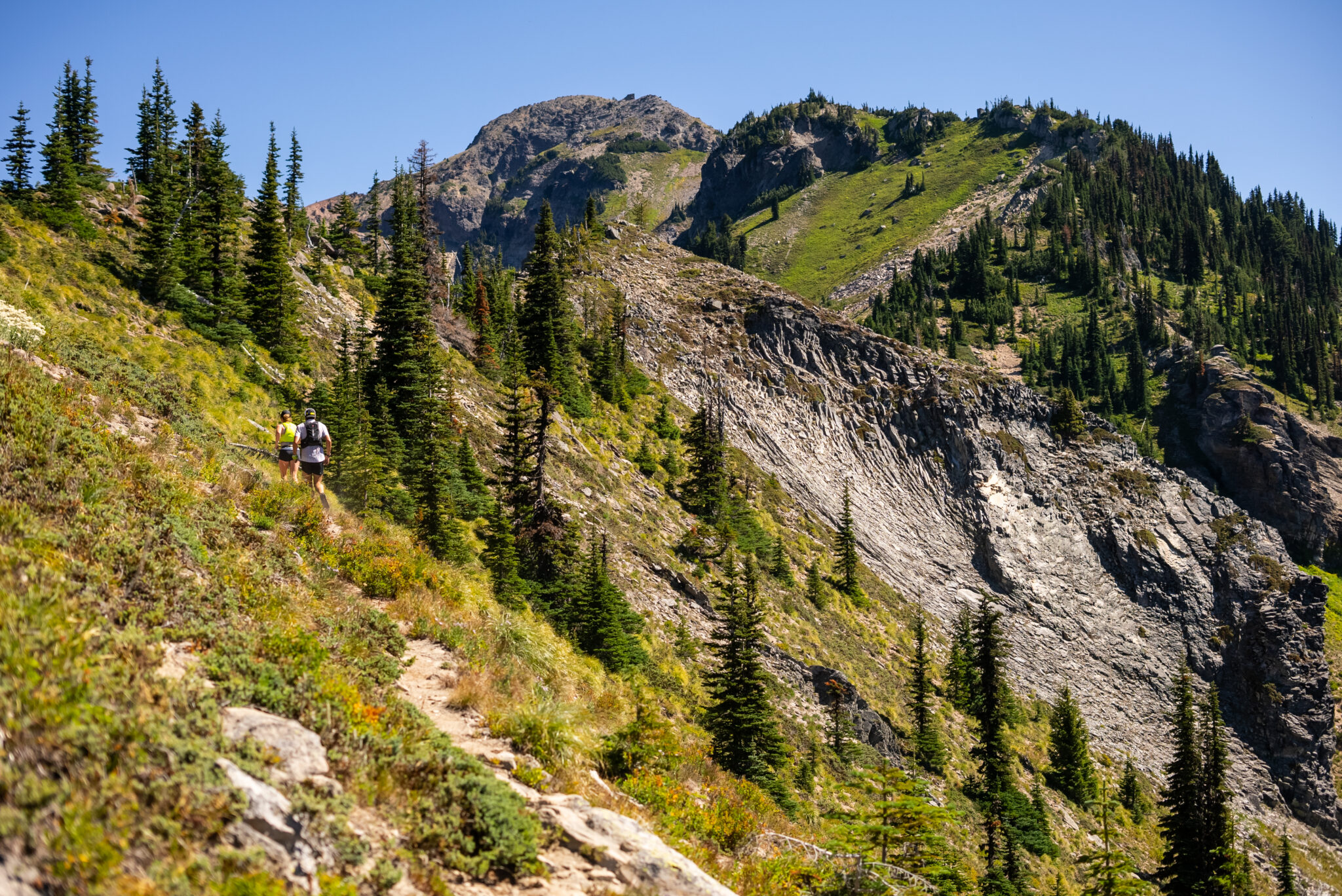
Miles of single-track.

As we departed the campground, Alyssa reminded me that Karel Sabbe was currently attempting the FKT for the Pacific Coast Trail. We knew he was close, and wondered if we run into him? With a stroke of luck, it didn’t take long. I noticed a trail runner up ahead as we were starting our first climb. We passed and said hello. Karel and I looked at each other in passing, but I didn’t think anything of it in the moment. After a 1/4 mile I stopped and said, “I think that was him.”

Then he rounded the corner, and we started chatting. Karel and I both have history at the Barkley Marathons. He mentioned that he had read a race report of mine. I was star struck.
“Like, you know who I am?”
“No, I know who YOU ARE!”
I was very flattered and asked if he would let us tag along for a few miles. He was happy to have the company.

As we made our way to the ridgeline and summit, I was in awe in how fast he was moving. He was on the last stretch to the Canadian border, and he looked fresh. He was also days ahead of the record. I just couldn’t believe it. Alyssa and I departed with Karel at Old Snowy Peak as we wanted to tag the summit and we’d try and catch him on the way down.
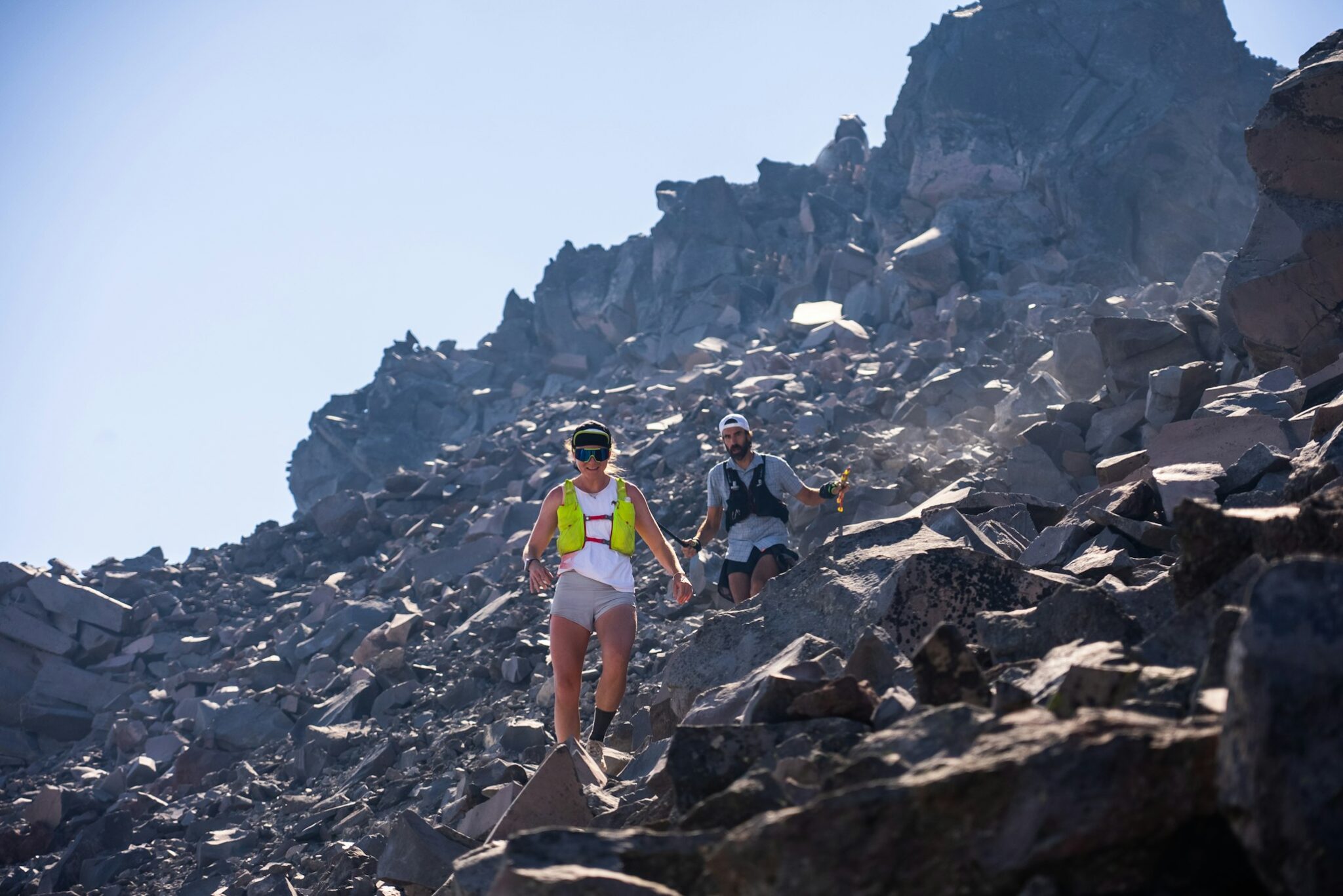
Peter Mortimer and Alyssa Clark descend from Old Snowy Mountain.

The descent from Old Snowy was epic. Loose shale and rocks just fell apart under our feet. For a mile, it sounded like running on broken plates. As we made our way back down to the forest, I pushed ahead. I wanted to catch back up with Karel before the campground. With about a half mile to spare, I managed to close the distance and share some time with him and his family at the campground. Running into Karel just made the trip that much sweeter.

One by one, the Aspire runners started to roll in. Tacos for everyone! It was a wonderful running experience, but sharing it with staff and runners really made it feel special.
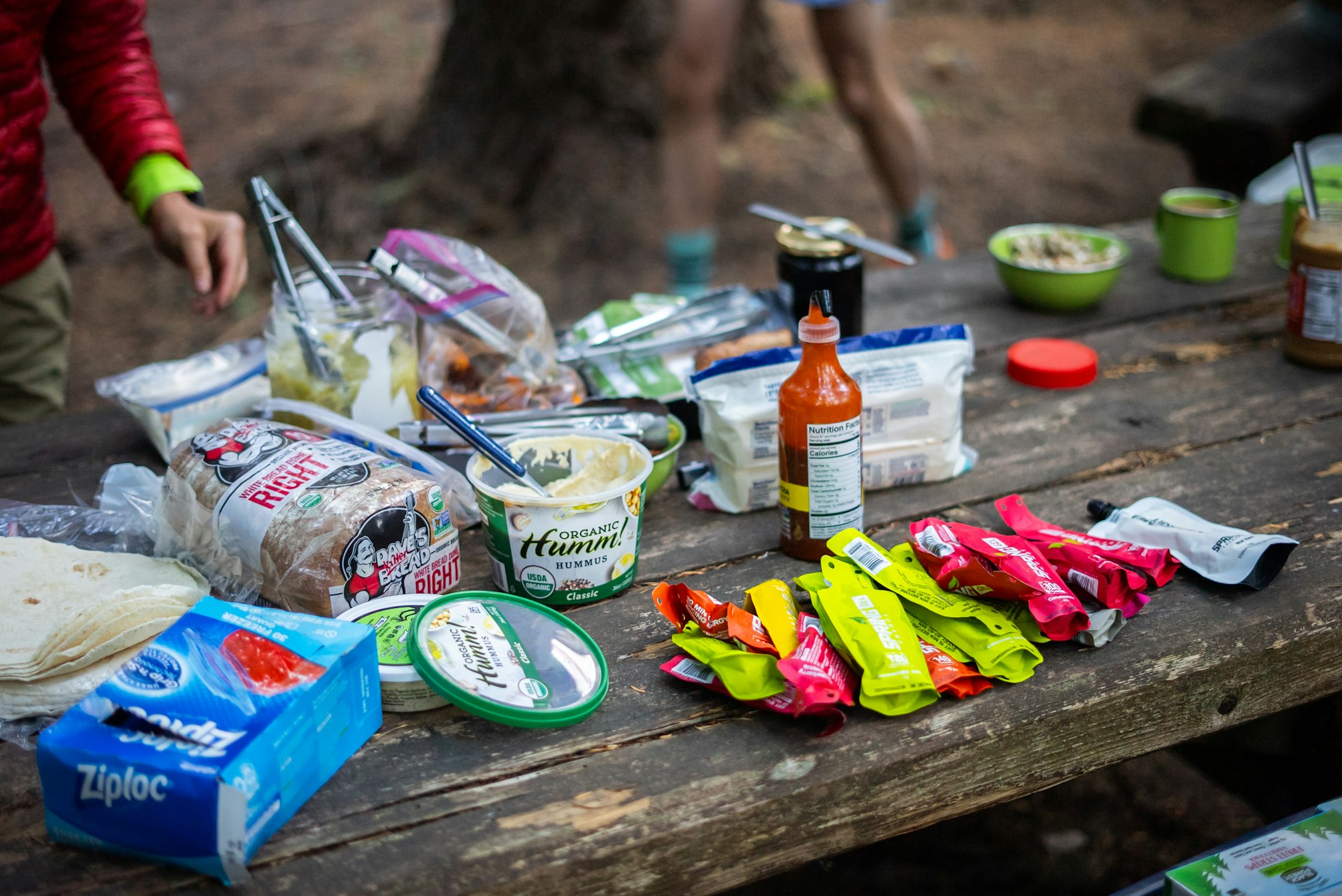
Lunch is laid out at basecamp for runners to pack, including an assortment of Spring Energy gels. Yum!

Aspire had done it again. They had wowed me with their kindness and hospitality, and they had showed me a side of Washington I had never seen. The group caters to all levels, and everyone has that opportunity to experience something special at their own pace. The camaraderie that the runners share, the friendships gained, and the remoteness of it all is why I’ll continue to go back.
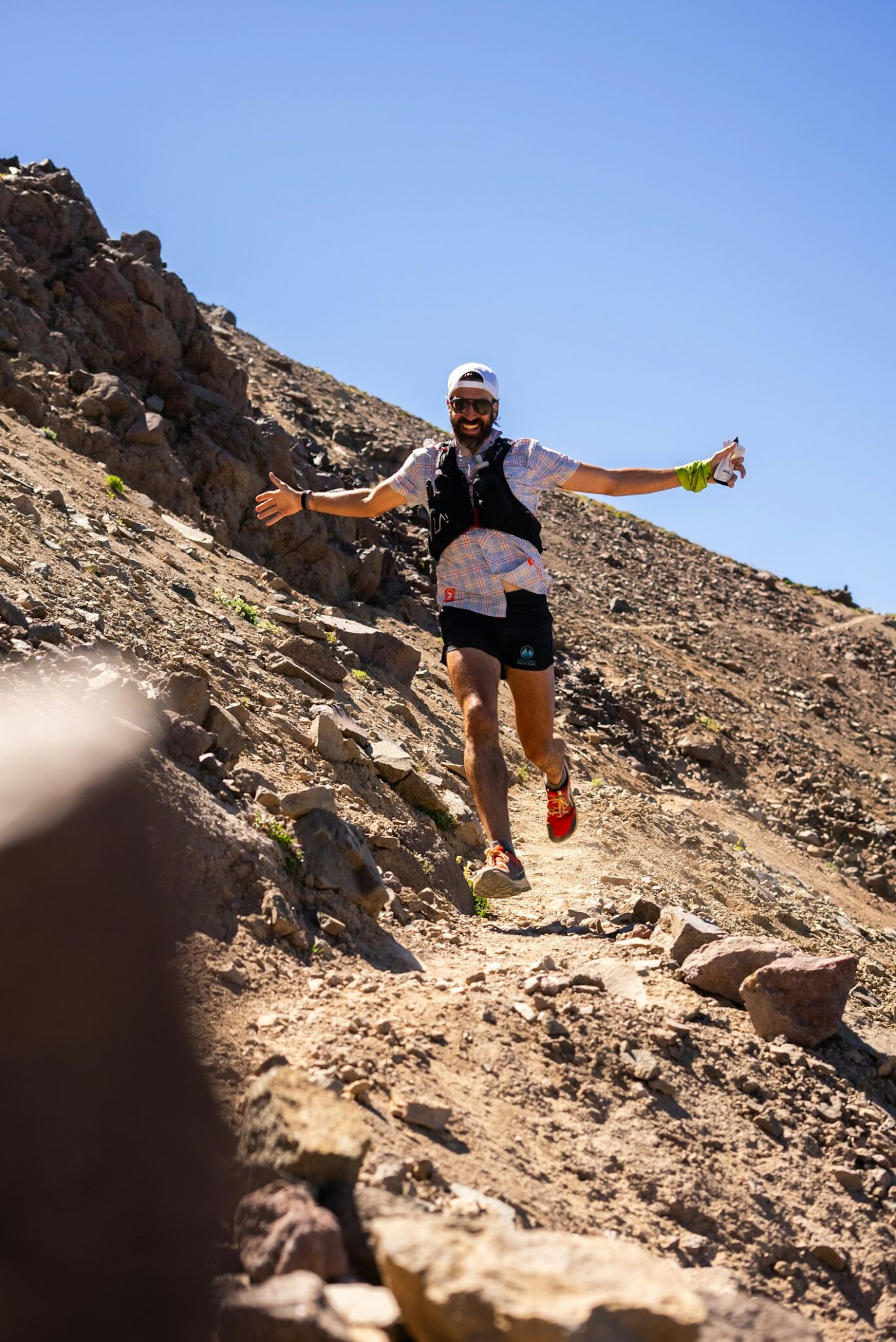

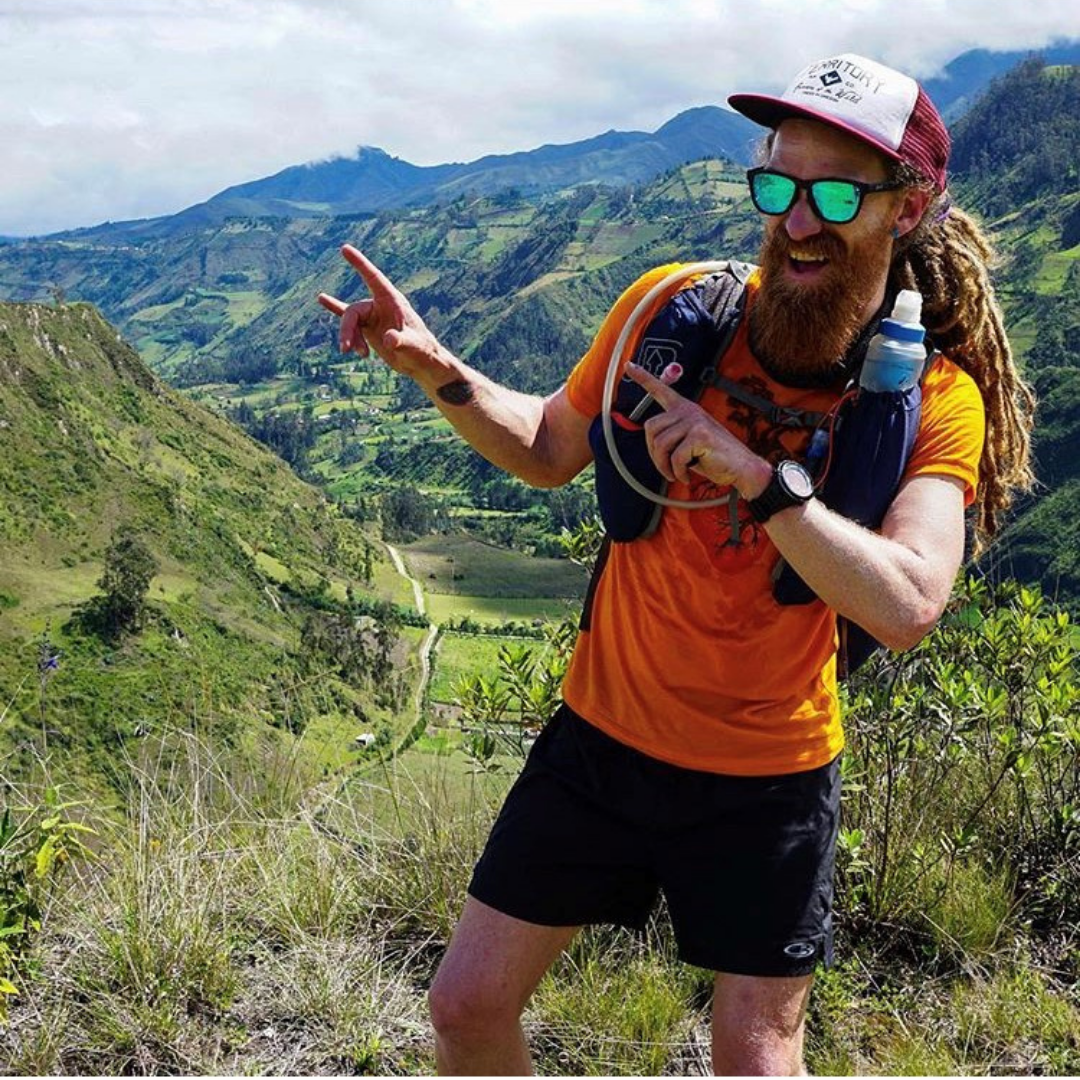
Peter Mortimer is ultra runner, coach, My Spring Energy athlete, and someone who turned his life around through running and has since evolved into a seeker of the toughest races on earth. Races like the Georgia Death Race, the Dragon’s Back across Wales, the Orcas Island 100, and the HURT 100 on Oahu. Pete is passionate about inspiring others and sharing the beauty of trail running.
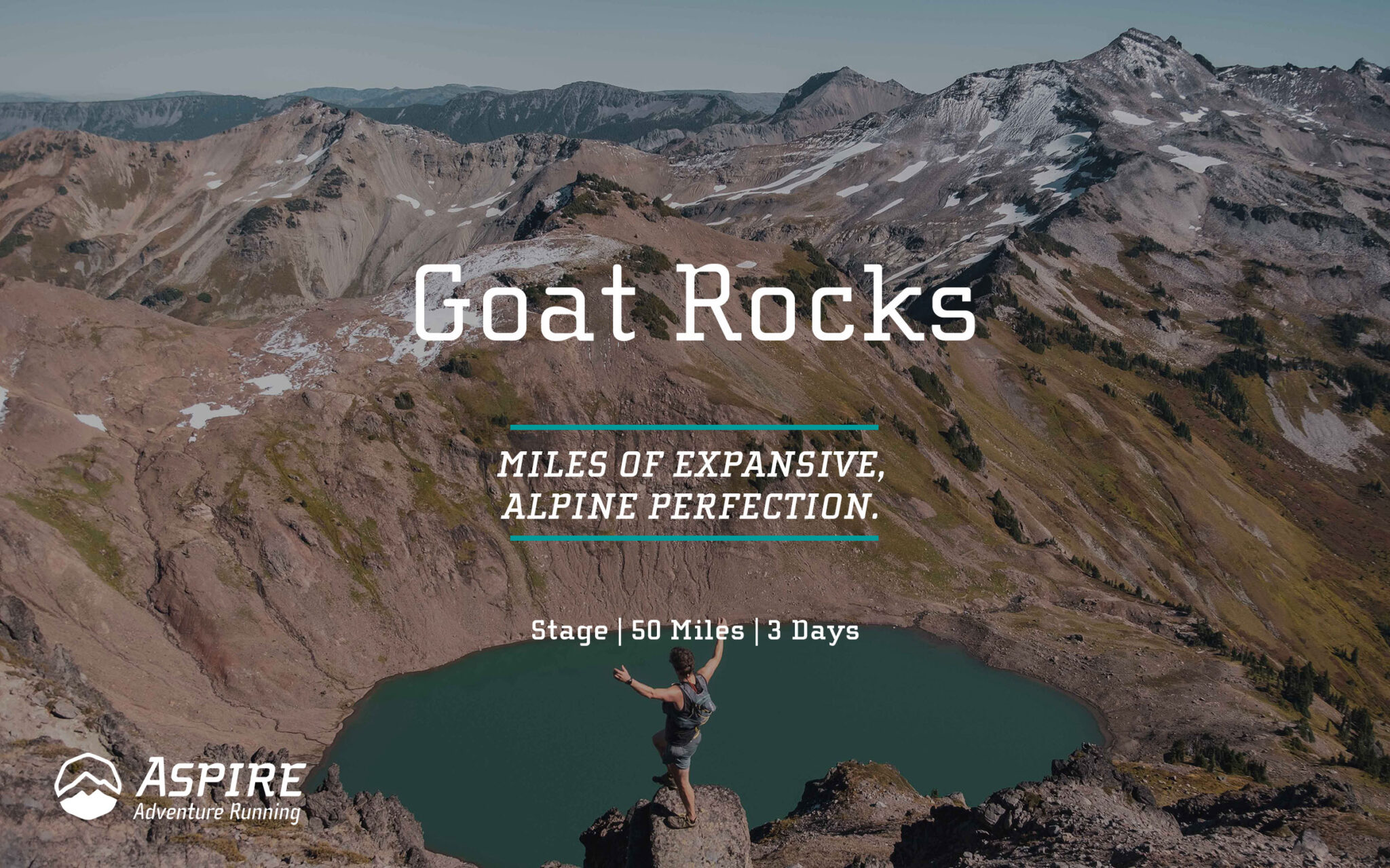

The Goat Rocks Wilderness is one of the most spectacular pockets of the Cascadia region. If narrow ridgelines, volcano views, and endless alpine single track is your jam, then this trip is your bliss.

Get the full itinerary, maps, .gpx, route descriptions and more in the COURSE PACKET:
Categories
Aspire Culture Blog courses Culture Destinations Goat Rocks Stage GR Highlights Wild

Goat Rocks: Running Through Deep Time

Running through evidence of deep time in the Goat Rocks

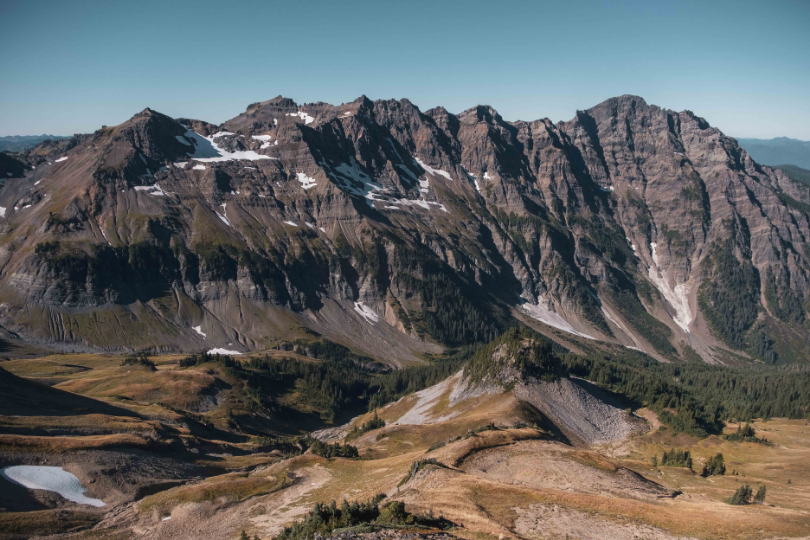
The first thing you notice in the Goat Rocks Wilderness is the alpine scenery that takes your breath away. The way you’re almost entirely above treeline. The iconic and endless views of Cascade peaks. The endless glittery snowfields flanked by craggy ridges. The alpine meadows embroidered with a ragout of bursting color: glacier lilies, bottlebrush, cinquefoil, and alpine timothy. The deep, resonant blue of glacial lakes. You run through steep, wild drainages that open into basins etched with ice-cold streams. You probably see mountain goats, and definitely see marmots and pikas. Maybe at lower elevations you see mule deer, black-tailed deer, and elk. As you marvel at sliding down snowfields that are still ample in mid-July, looking out across at Mt. Adams, this seems like some kind of wild wonderland that you have to yourself. Maybe you see a PCT hiker or a mountaineer, but probably you only encounter solitude amid all this beauty.

But as you spend more time here, you start to recognize that there is more to the story than blazing pink Indian paintbrush and views of Mt. St. Helens. You notice the talus fields, the boulders made of lava that were shattered and re-welded over a million years. As you trot along the side of a ridge, you notice the way the land has been burst apart and scraped down, the way water and ice have etched textures into rocks, the starkness of the peaks. You see that the eastern sides of the peaks are drier and less forested.

You realize that you’re in a big-shouldered mountainscape of raw mineral. You enter into a deeper, longer, more powerful story.


You’re in Goat Rocks, a time capsule of geologic transformation. A testament to the power of deep time, but also to the power of modern conservation. In the PNW-a region that is rich in wild places, mountains and beautiful drainages-Goat Rocks Wilderness may be not only the best-kept secret, but also a place that helps tell the story of all of the better known backcountry destinations. It helps us imagine what Mt. Baker might look like in a million years, to comprehend the geologic arc of the Cascades, and also why modern wilderness conservation is important to protect such a rare place, not only for humans, but for other species as well.

Remnants of a Giant

The Goat Rocks Wilderness, along the Klickitat River basin, is in the eastern part of the volcanic Cascade Mountain Range in Southwestern Washington. The Goat Rocks are remnants of a large stratovolcano that was once similar in size to Mt Hood. Where that volcano once stood in similar prominence to nearby Rainier, St Helens and Adams, glaciation and erosion have worn down cone to a series of moderate summits like Gilbert Peak (8,201 feet) and Old Snowy Mountain (7,881 feet).

Being in this place allows you to sink into a sense of deep time, where you realize that, in the context of deep time, even giants like Rainier and Mt Adams are impermanent, growing and then weathering away within a few million years. Of course, in the PNW, Mt St Helens’ 1980 eruption was an intense reminder of this life cycle of volcanism. For now, St Helens, Rainier, Adams, and Baker are our giants, but in another million or so years, they will be replaced by other volcanoes.

Goat Rocks teaches you that, and as you scramble across talus and old lava flows, that geologic truth moves into your body, bruises your shins, embeds under your fingernails.

Three million years ago, the Goat Rocks volcano began to build after an explosive caldera-forming rhyolite eruption, and was active in four major pulses until eruptions ceased around half a million years ago.

Here in the Cascadia subduction zone, the volcano was produced by the subduction of the oceanic Juan de Fuca plate under the western edge of the continental North American plate. After eruptions stopped, the layers of volcanic ash and lava flows were worn away by glaciers, and today the area is still covered in glaciers, despite a relatively low elevation and southern position in the Cascades. Conrad
Glacier, McCall Glacier, Meade Glacier and Packwood Glacier are still carving and shaping this landscape today, as well as a number of smaller permanent snowfields. It still feels like a land in the act of creation.

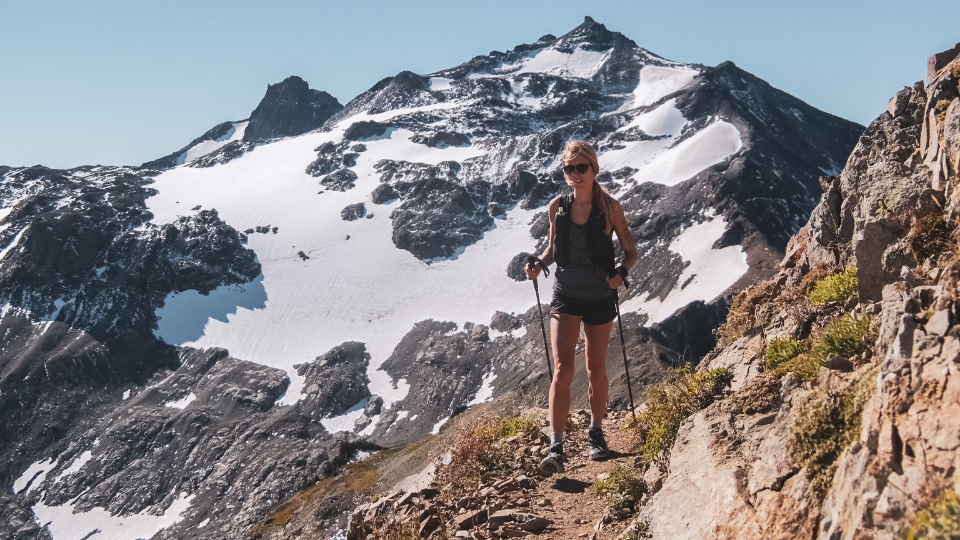
On the PCT North of Old Snowy Mountain.

Conservation at Work

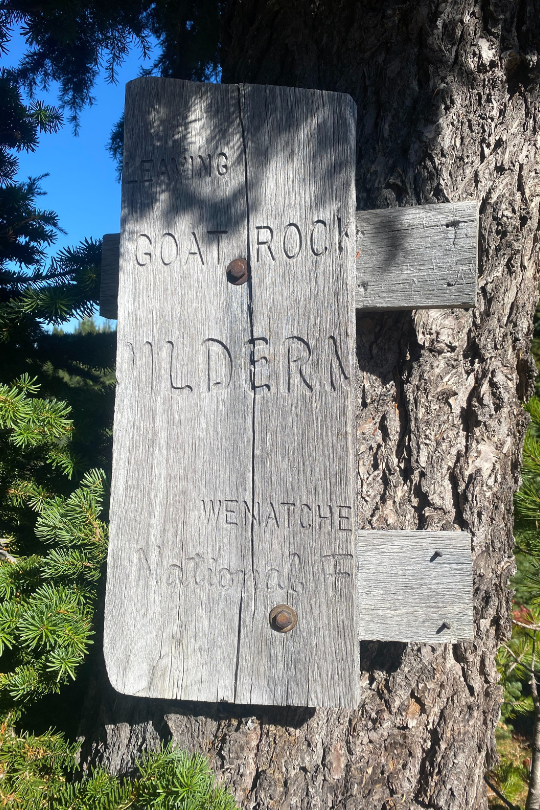
And the important history isn’t limited to geology. While this land was inhabited for thousands of years by native peoples, including the Yakama Nation, it was originally protected for conservation in 1931-
around the same time that miners were starting stake claims for the bountiful mineral resources- and in the ensuing decades more land was set aside for preservation, until the US Congress created the Goat
Rocks Wilderness as part of the Wilderness Act that had originally been proposed by conservation leaders like Aldo Leopold, Bob Marshall, Sigurd Olson, Wallace Stegner, and Olaus and Mardie Murie.

And that Wilderness designation, in 1964, was once of the first anywhere in the world, protecting this volcano-scape from development of any kind. In a place like this, rich in gold, silver, coal, molybdenum, copper and zinc, if it weren’t for protection, we’d be looking pit mines and tailings instead of Roosevelt elk and sun-etched glaciers.

What’s more, with the Wilderness sharing borders with the Gifford Pinchot National Forest and the Okanogan-Wenatchee National Forest, and being near countless other wilderness areas, national forest and parks, it is an important link in unbroken conservation land that creates migration corridors for animals and even flora, allowing greater biological resilience during climate change. For every wildfire that moves through, every average temperature that increases, every species that goes extinct, places like Goat Rocks put a little more extra margin in the system to absorb those changes in an adaptive way that supports biodiversity and ecosystem services.


To travel in the Goat Rocks wilderness is to touch the deepest, rawest, most powerful currents of time. You literally run through geologic epics as you cross what were once active magma flows and grinding glaciers. You also realize what a gift it is to have a place like this, not only for the runners, Yakama tribe members, PCT hikers, climbers and scientists who love this place, but also for the mountain goats, migratory birds, elk, and other animals who are adapting to our modern world that is changing just as intensely as the ancient earth underneath our feet

Run our 2-day Stage Trip through the Goat Rocks!


With three decades spent exploring the PNW and Alaska, Ian is based in Maine, where he directs the Kauffmann Program for Environmental Writing and Wilderness Exploration, and teaches writing, ecology, brain science, music and mindfulness to high school students. With over two decades leading trips and expeditions across the US, Alaska and internationally, he loves empowering people to take agency in their lives and discover new places. Ian is a poet and graduate of the Rainier Writing Workshop, and his writing has been featured in places like Terrain.org, Orion and High Desert Journal.  He also directs a community steelband, loves kayaking big water, drinks copious amounts of coffee, geeks out around nutrition, literature and fitness, and was once a member of an Inuit Dance Troupe.

Check out his website at Ianramsey.net