Categories
Aspire Culture Blog courses Culture Highlights Preparation SUCIAWFA Trail Skills and Equipment Wild

Misadventure on the Wind River High Route

Adventure and misadventure are separated by a thin line. Most times we operate on the safe side, but all too easily incidents and accidents can push us into emergency response. Are we as runners prepared for those moments? How vulnerable are we to injury, accident, and death? It behooves us to learn from other people’s accidents, so we are more prepared to respond when we end up on the flip side of the perfect mountain adventure. 
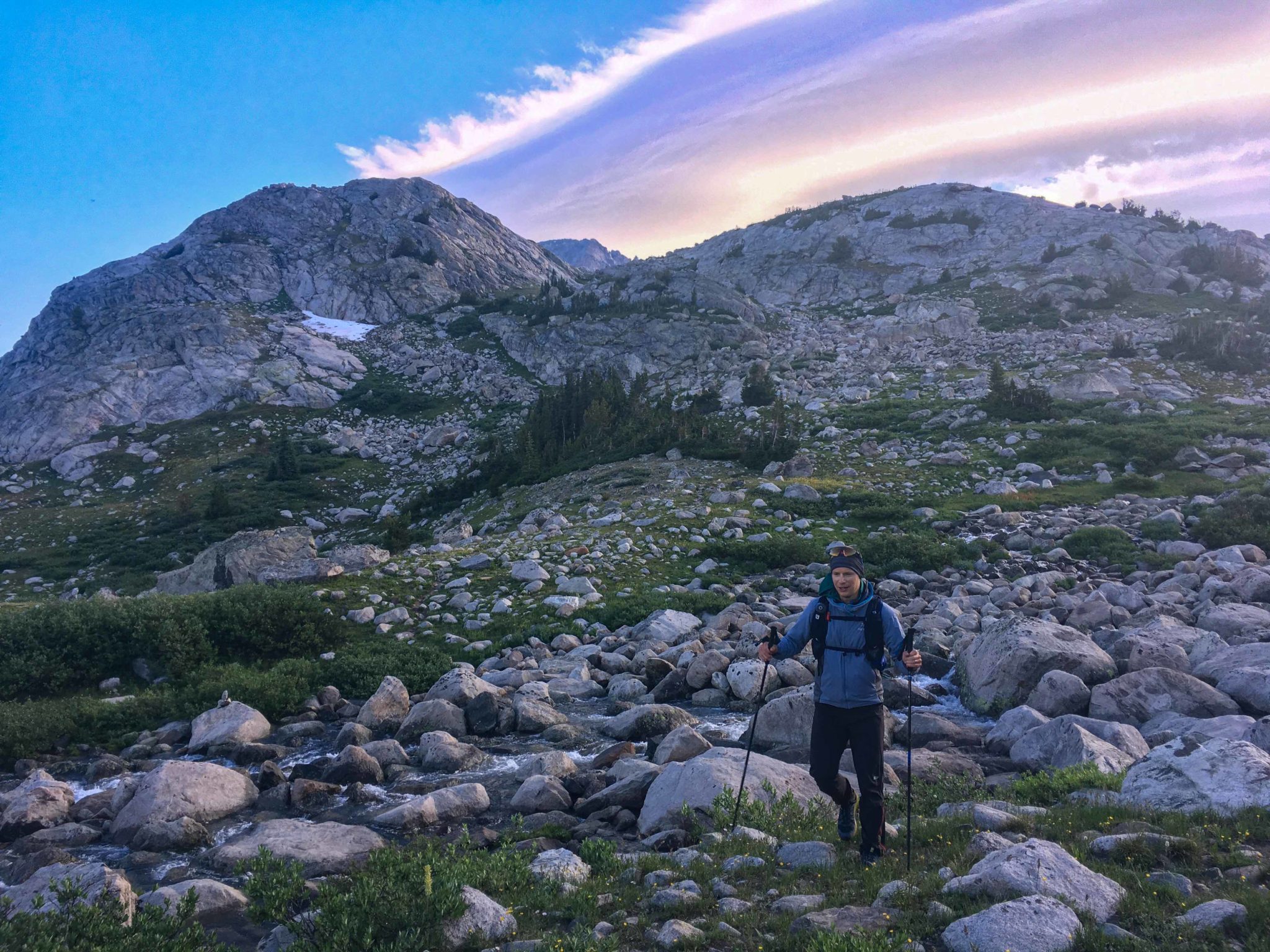
When I heard Gabe’s scream, every alarm bell in my brain went off. The pain searing his scream was unmistakable and instantly my stomach knotted with nausea. Something was wrong, very wrong. Up to that moment I had been in awe of the alpine splendor of the cirque we were navigating, now the surrounding crown of peaks felt like a prison. Gabe had disappeared, swallowed by the mobile home-sized boulders that lie in every direction. After a flash of panic my resolve steeled and I prepared for the worst. I had no idea what I was going to encounter when I found Gabe – if, I found Gabe. But first, I had to find him.

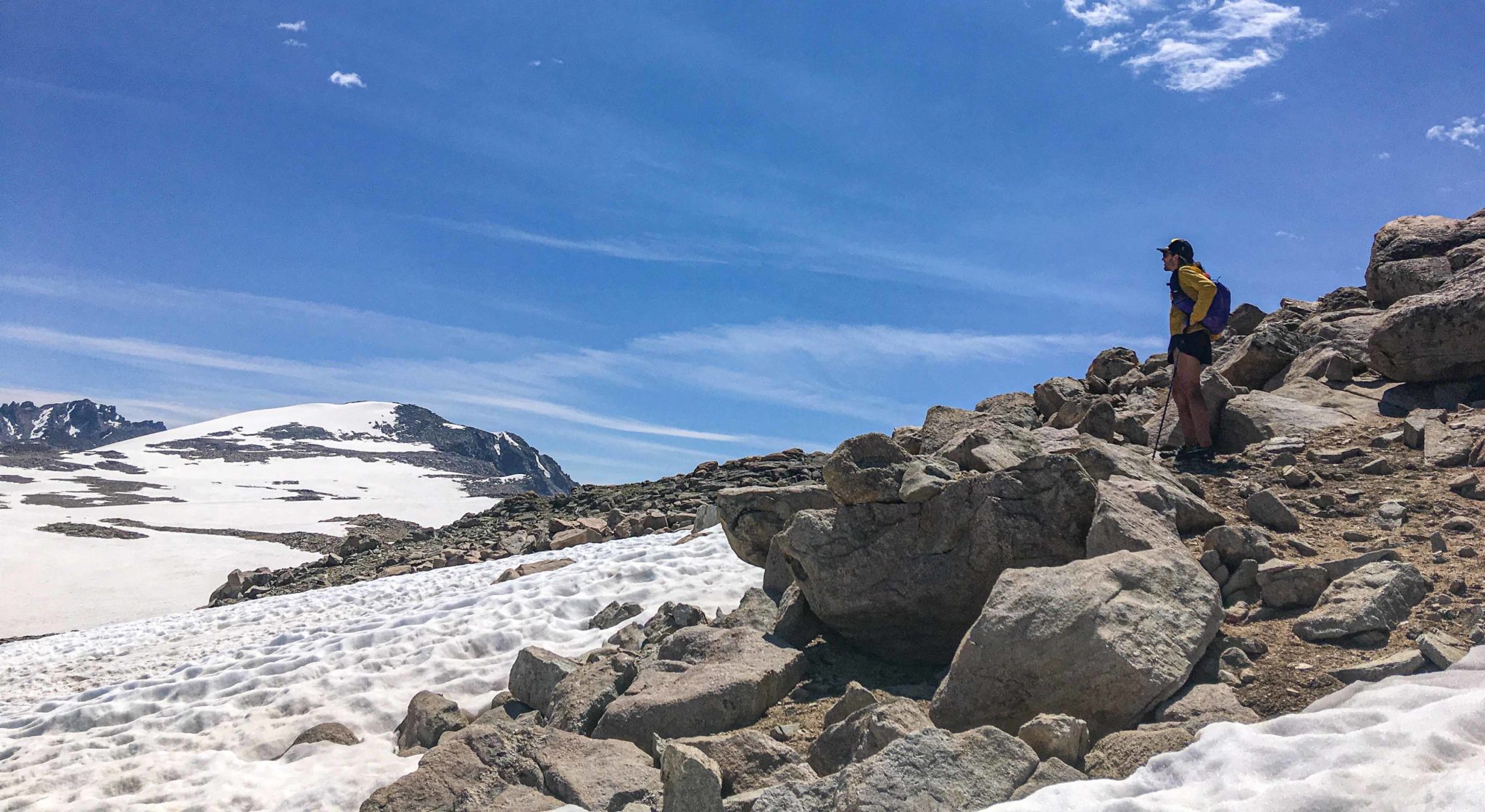
The two of us had been side-by-side just moments before. We were descending a massive boulder field in the heart of Wyoming’s remote and wild Wind River Range. We were attempting the Wind River High Route, a 98-mile route along the crest of the range. With over 60 miles off trail travel, two 13,000’ summits, and a multitude of 12,000’ passes, there was little room for error in our planned 48-hour single push. 
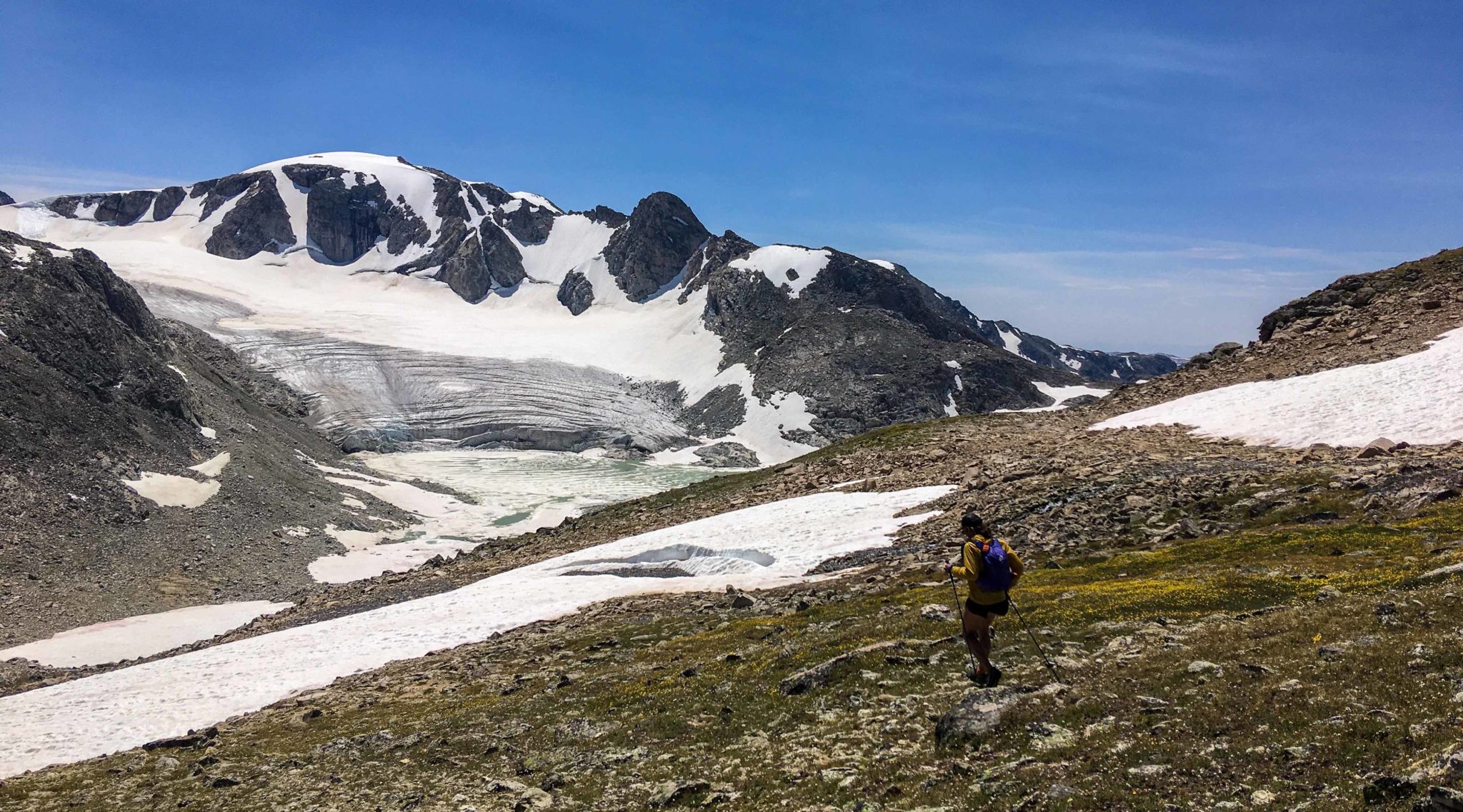
We had just been chatting about how the route was so gnarly and unforgiving, it would be impossible without the aid of trekking poles. We hopped massive gaps between equally massive boulders. Realizing we moved faster on snow, we separated, exploring two different tongues of snow reaching up from the valley into the boulder field. With any luck, one would prove to be safe to travel down and speed our descent. When Gabe disappeared, we were many miles from the nearest hint of trail.  The feeling of isolation was overwhelming. 

After several time bending minutes of searching, I found Gabe pulling himself out of a hole between several boulders the size of minivans. While searching for him my mind had instinctively reviewed the hundreds of hours of first aid training I’d received over the years. From Boy Scouts to wilderness first aid on a NOLS course in that very mountain range to a wilderness first responder course in college. Gabe shared similar training and our mutual background in wilderness medicine was a critical element to our partnership.  We would never have considered such a daunting, committing route as the Wind River High Route without a solid ability to respond to the risk exposure the route presented. We knew the margin for error was exceptionally low and the consequence of an injury or accident was very high. Our training in wilderness medicine and emergency response empowered us to realistically assess the gravity of potential injuries and determine if the route was feasible. Armed with the knowledge that we could help one another out if shit hit the fan, we decided to chase the speed record on the route. And as luck would have it, shit did indeed hit the fan.
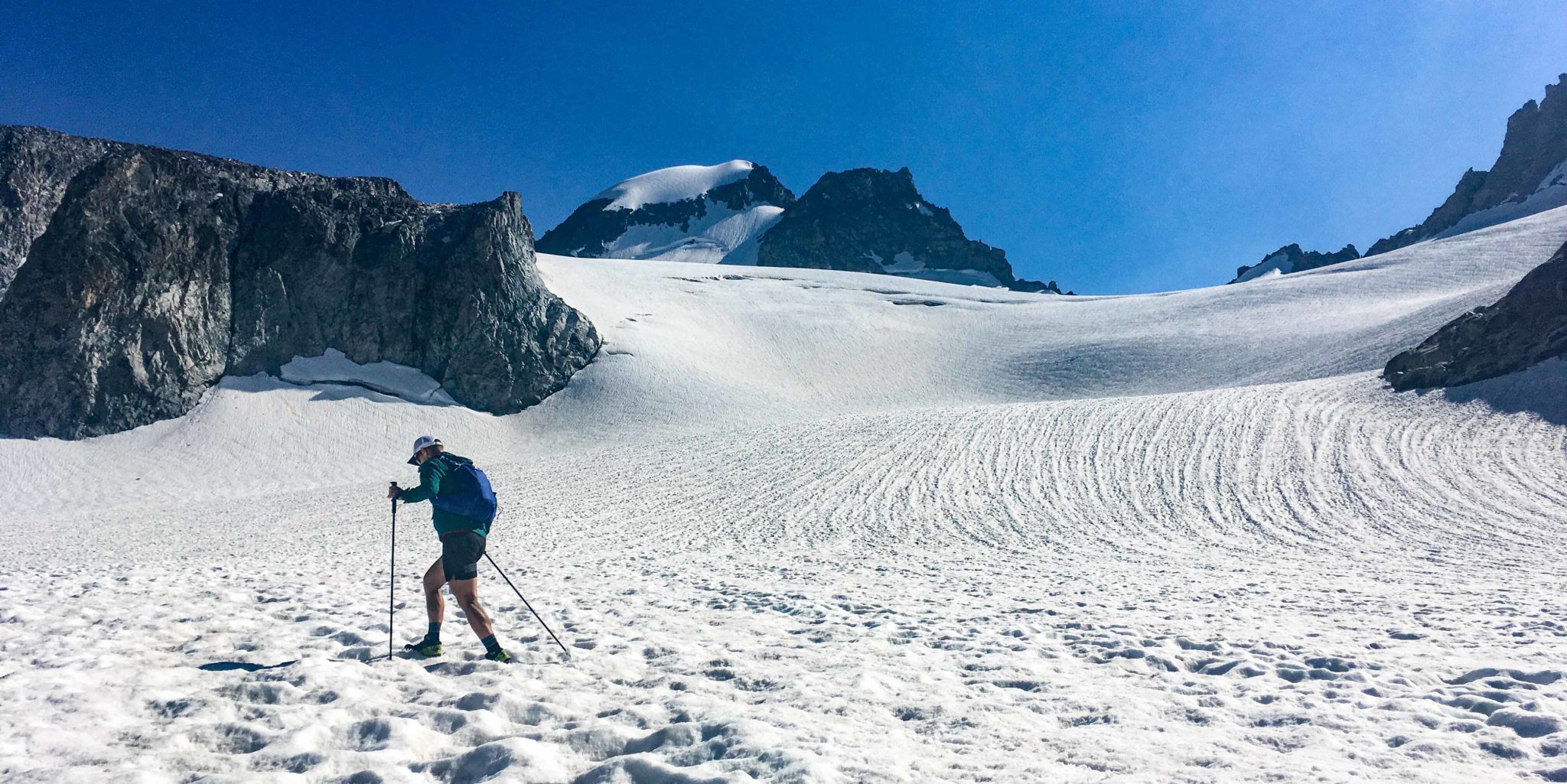
As I helped Gabe up out from the rocks he moaned and held his chest. He had jumped from a boulder onto a patch of snow and the impact of the landing had punched a deep hole in the ice and snow. He had been leaning forward and In doing so, he landed straight on his ribs. He was alive, but in visible pain. Gabe groaned and said, “on the bright side, I didn’t hear anything break…but I also didn’t hear this break” – a snapped trekking pole dangled from his hand. I breathed a sigh of relief that I didn’t have to deal with a broken femur poking out of his leg and blood squirting everywhere, which I had expected to find.

 I looked at the pole Gabe was holding. Then I looked up. And around. We were 15 hours into our push, part way off a pass, in the most remote part of one of the most remote mountain ranges in the lower 48. We had just traveled around 20 heinous and grueling off-trail miles. Most of those miles had been on suncupped snow and long boulder fields. Whether or not Gabe had a broken rib, he was clearly not well. Thankfully, he could still move. Neither of us knew what the correct decision was, but we knew that standing in a boulder field at 11,000 feet as night fell was not it. I handed Gabe one of my poles and we made our way painstakingly slowly to the lake below.
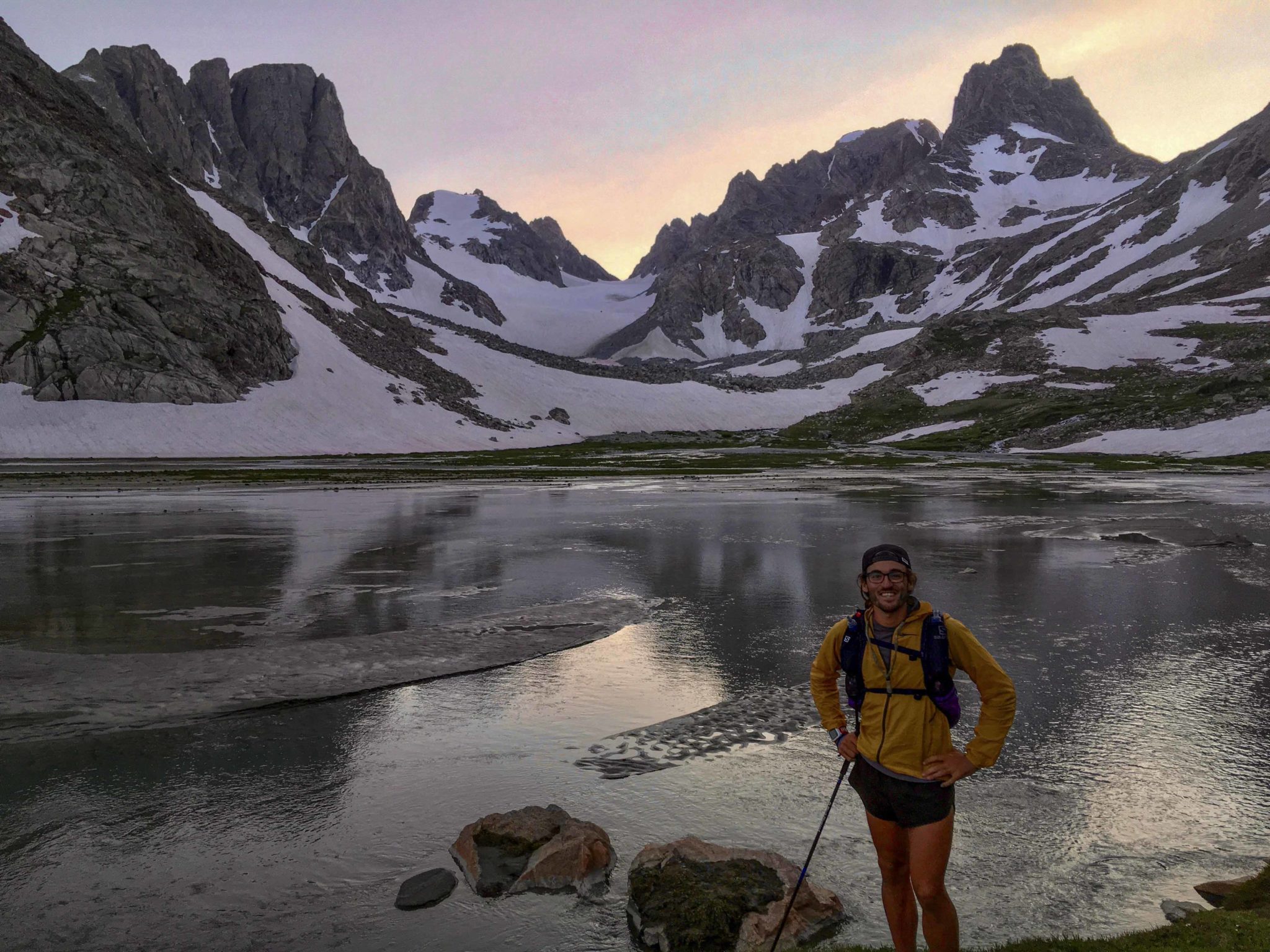
Upon reaching the lake, we sat for food and to collect ourselves. Gabe was injured, but could still move. Running and scrambling were painful, but walking was fine. We sat together, mosquito head nets obscuring our vision as hundreds of bloodthirsty monsters tried to make us a little bit more miserable. The route, were we to continue, would be 75 miles of high elevation off-trail wandering and rough singletrack. To cover that terrain in 30 hours, we needed to exclusively run and scramble. Even fully healthy, traversing the next section of frustrating bushwacks, snowy passes, and pumping rivers would be a tall order. Acknowledging the uncertainties and risks we would be in if we continued our push, we decided to bail.

Our decision put us on a whole new journey. Reaching the nearest trailhead would require another five miles of off trail travel over a glaciated 12,000 ft pass, followed by another 20 miles on trail. Our new goal of “let’s get out of here alive” consisted of thousands of feet of kicking steps into snow at 11,000 ft at midnight, multiple river crossings, a two-hour bivvy in near-freezing temps, and a massive amount of moans from Gabe. In the end we covered 54 miles over 32 hours of moving, but most importantly we made it home safe.

There is no denying how unbelievably lucky Gabe and I were to make it out of the Winds with nothing but a cracked rib. Our plan had been to go lighter and faster than anyone had ever gone on that route. We knew our chances of success were very small. We also knew that because we carried little more than food, some extra layers, and bivvy sacks, the amount of risk we were accepting was tremendous. Without a background in wilderness medicine, we would have never ventured off into the mountains. Our backgrounds made us more aware of the situations that could arise, and prepared us to act in the event that something tragic happened. 
Receiving training in wilderness first aid is absolutely necessary for any trail runner or mountain adventurer. The situations faced in a wilderness setting differ vastly from those of our normal lives. My time on the Wind River High Route drove home this point. Before every mountain excursion, my mind races through potential injuries and what my response would be. A background in wilderness first aid not only allows you to respond during those “oh shit” moments, it also makes you check yourself before striking off at the trailhead. And most importantly, it allows us to help our friends and strangers in times of need. All of us inclined to time in wild places will eventually find ourselves needing to help someone, or receive help ourselves. As runners, we love going light and carrying less, but we should all think deeply about the risks we choose, the skills we have to respond with, and the gear we carry to keep ourselves and others safe. 

When I think back to the Wind River High Route, the first thing I recall is not Gabe’s injury. Instead, it’s gazing down a wildflower meadow to watch a glacier calve into a lake at 11,000 ft. I remember wonderful, rambling conversations with a friend as we traverse the Gannet Glacier, the largest glacier in the Rocky Mountains. I reminisce on how hard I pushed myself while traveling through the most rugged, raw, and intimidating landscape I have ever encountered. Mountain travel is one of the most pure and gratifying pursuits I know. Developing all the mountain skills to make informed decisions about the risks and the rewards of our pursuits will sometimes mean that what’s safe will not always equate with success. But, in the mountains we play the long game. We do it for the love, for the challenge, to be with our people, and at the end of the day, the most important thing is that we all make it back to the trailhead. 

Jeff Mogavero is a runner, writer, and river surfer who’s mountain ramblings bring levity, insight, and passion to our community. Read more of his words at https://www.jeffmogavero.com/

Looking to grow your Wilderness First Aid Skill Set?

Check out Aspire’s 3-day runner centric, Sucia Island WFA Course
Categories
Aspire Culture Culture Highlights on the fence What to Expect on Trips

Wilderness: The Pathway to Community and Connection

Instead of emphasizing competition and comparison, Aspire seeks to create space for community and connection by running – not racing – in the world’s most spectacular landscapes.

“I want to run there.”

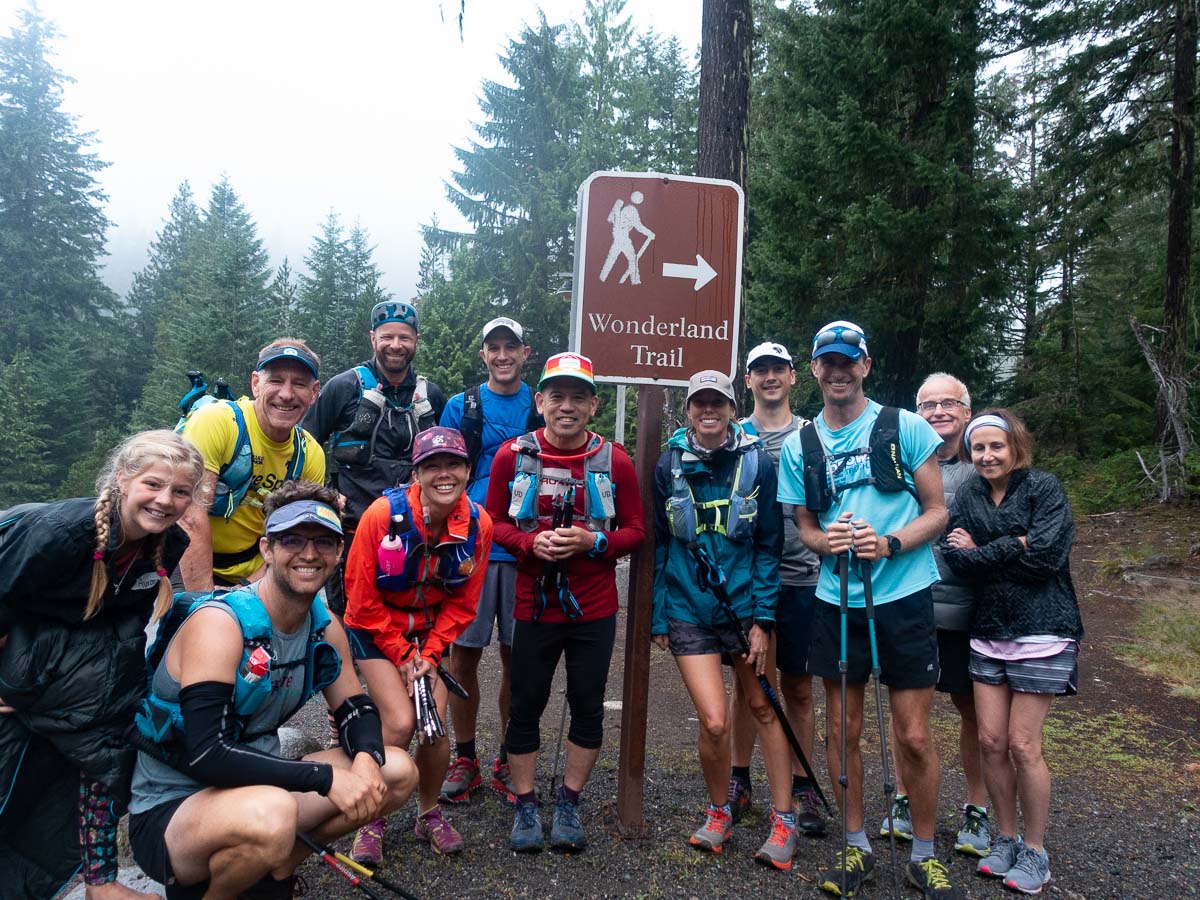
That’s how it begins, and it’s almost too obvious. What trail-loving runner wouldn’t want to lace up for miles of single track through Mt. Rainier, Yosemite, or the North Cascades? But location alone is not the whole story. The real depth, meaning, and enduring quality of mountain time comes from sharing the experience with others. How that happens matters. Our trips draw an audience of runners from across the country. Chances are high you’ll be good friends with these folks by the end of the week, but it doesn’t happen by accident. Here are five ways that we build our community with intention.

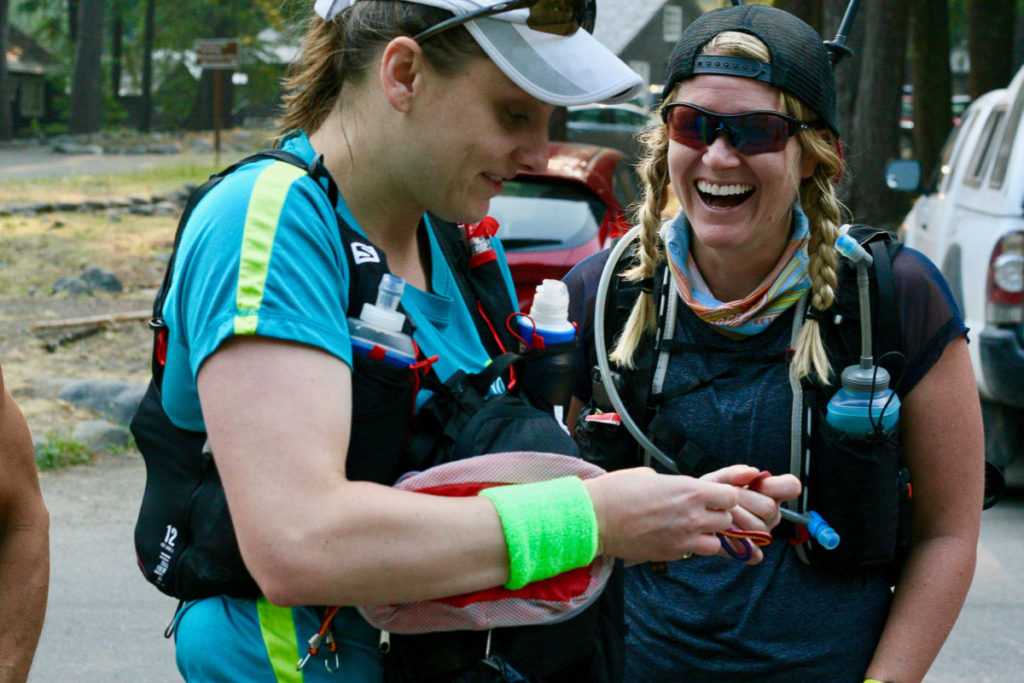
Two women prep gear for their run ahead.

No Competition

Aspire trips aren’t races. We don’t track times, publish results, or adhere to any competitive traditions. This is intentional. No timing means runners are free to literally smell the flowers, jump in the lake, pause for lunch, and simply allow for the experience of being immersed in nature. 

When people aren’t racing each other, it creates a fundamentally different relational dynamic. Without any underlying questions of “Who will come in first?” or “Will I be faster than this person?” there’s simply more space to engage with people as fellow souls sojourning into the wilderness. People aren’t there to be beaten, but to connect with, to learn from, to support when they struggle, and to receive encouragement from when you inevitably need it. Each blister taped, supportive smile shared, distracting story told, and meaningful connection made weaves the thread of community. 

The Wonderland Circumnavigation was like being dropped into a roaming gypsy mountain family for three days of exertion, love, and self renewal. I’m an old doughy slow untalented back of the packer, the most underwhelming thing to happen on two legs, really. The Aspire crew and other runners rallied around me (and each other for that matter) as if I were some rock star. They wanted me to finish as much as I wanted me to finish. Zero ego contamination during the experience.

Sean- Seattle, WA

Food, Really Good Food

After 10, 20, or 30 miles in the mountains, it’s time for real food. Bars, gels, and hydration powders have come a long way in the past few decades, but even the most scrumptious of trail foods can’t compete with a fresh grilled salmon, garlic roasted potatoes, and a steaming dutch oven cobbler.

Thick french toast with fresh strawberries and blueberries, topped with whipped cream.

Meal time isn’t just about replenishing the body. It is a soulful celebration where each runner gathers to recount the day’s adventure, highlights from the trail, and to laugh at the pain and suffering that only a few hours ago had you questioning the sanity of any running-related decision. No one will understand your experience better than the dozen or so other runners gathered around the table, whose legs are just as sore as yours. 

Time- Multiple Days Worth

It’s great to go for a run before or after work or to dedicate a morning or even a whole day to a race. These kinds of runs fit neatly into the calendar and can be easily balanced with life’s other obligations.

It’s another thing entirely to dedicate a week to a running project. Unplugged from the rest of the world, each day on the trail has a specific purpose. To run, move, hike, crawl, doing whatever is necessary to cover the miles. The simplicity and immediacy of purpose is refreshing, empowering, and rewarding.

On our trips this singular purpose is shared with newfound friends who, unlike some of your colleagues back home, get it. They share in your success and suffering, they wear the same short shorts and funky vests, they speak the language of salt, sweat, suffering, recovery, and accomplishment. Within the short span of a few days and some very long miles, these people become your tribe, your family. The specifics of the trail will fade, injuries will heal, but shared camaraderie built over days on the trail will persist in memory’s most meaningful depths. 

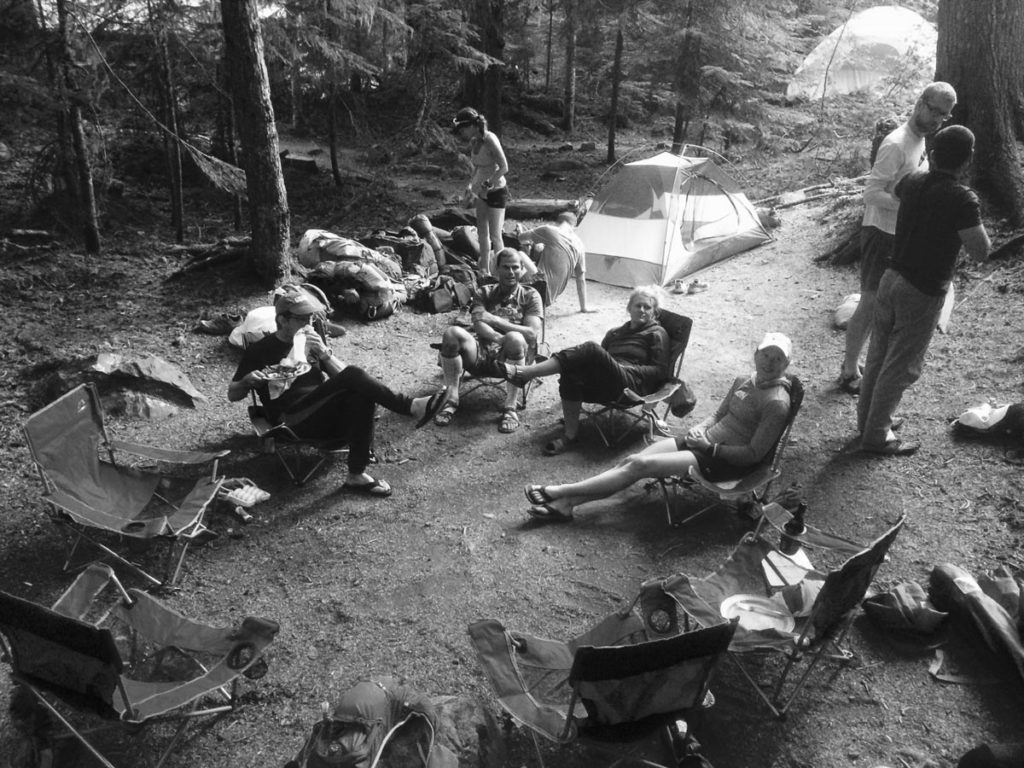
A group gathers around camp, lounging after a long day.

Destination: Wilderness

The wilderness is a timeless space separated from the cares and constraints of our deadlines and deliverables. Dedicated to the preservation of an ideal and to the protection of natural processes, wilderness areas are sanctuaries. Here life follows nature’s rhythm and humankind are visitors who travel through these mysterious lands seeking adventure, inspiration, and wisdom. Whatever face nature reveals–sun or snow, rain or wind, forest or desert–wonder and beauty are gifts these lands bestow. 

I came to run and see the mountains. I left feeling like a part of something bigger than the mountains, family.

Ryan- Tillamook, OR

No man or woman ever conquers a trail, a mountain, or any feature of the landscape. Wilderness is an opportunity to experience with and through the land a greater understanding of our fragility, our limits, and our connection to the world.  Sharing in the struggle, adventure, and beauty of the wilderness is the substance of deep relationships. Seeing the smiling faces of friends reaching a summit after trudging up the same switchbacks reflects and amplifies our own joy of being in that wild place. Witnessing the beauty together binds people as stewards and protectors of these spaces. 

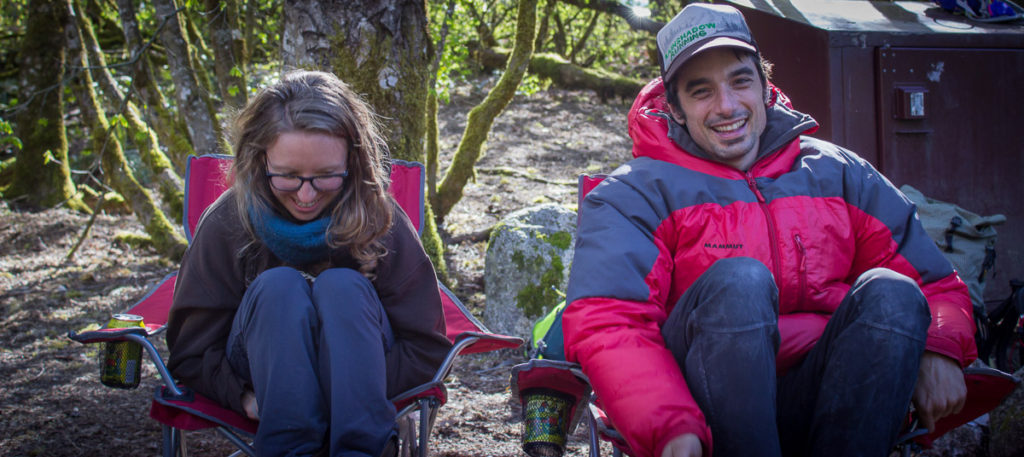
A woman and a man laughing while sitting in camp chairs.

It’s a deep kind of experience, to leave behind the ego, to get beat up and broken down by the trail, and to share that experience with others. The mountain shows us where we are weak and our friends can remind us where we are strong. It’s a process of building connections and community. It’s what drives the whole Aspire experience.

Categories
Aspire Culture Blog Culture Highlights Territory Run Camp Rendezvous The Adventure Ethic Wild

The Mountain Cycle

I’ve just returned from the Territory Run Camp, hosted/presented by Aspire. This seasonal celebration showcasing my backyard trails is staged out of a mountain lodge on the edge of the Mt. Baker Wilderness. This event captures the community, ethos, and placed based connections that Aspire exists to support. Inspired by Ian Ramsey’s presentation on beat poets in the North Cascades, I took some time to play with my own trail lyricism and interspersed the words with a few photos from the year.

Mt. McGreggor, Stehekin, WA

It’s not a voice. It’s not audible. Unnamed, but not unknown. A frequency, emanating from an ancient psyche, juxtaposed against the static of modernity. Spoken by an orchestra of wind. Riding on echoes from the collision of continents. Originating from a wild place, far from the packaged, plasticized, polarized, politicized, punctual pretenses of comfort and security.  An invitation, an allure, a call to venture, to the mountains, to places further and deeper into the hills than I’ve traveled before. 

In hearkening to this siren song, suffering is my sacrifice. The terms are clear: only what I can carry. My choice, light, fast, and exposed. My physio-psycho capacity is my only currency. What will I receive in exchange? Miles of trail, relentless climbing, and access to the cathedral. 

Church Mountain, Mt. Baker Wilderness, WA

Initially, the miles are easy. I move swiftly, but reserserved, on wings of anticipation and fresh legs. The trail is familiar and well trodden by those holding close to the borderlands. However, as the day lengthens and the miles accumulate, I approach the junction, the furthest point, the beginning of the new, the point separating where I’ve been and where I’ve yet to trod. The edge of my experience.

Here every ridge crest, summit, and turn in the trail is a revelation. Running in a state of perpetual unfolding. Childlike, everything is captured in itself, and I remain in that eternal present so long as I can persist and resist the intrusion of anything that is not now. In this liminal space I can hear the universe. The sounds of creation unfolding. Here I receive the gifts and the questions the wild holds for me. Here my self is revealed to myself. Here I can make peace with my demons and my dreams, reconcile my ego, and clarify which concerns and commitments I most want to attend. 

Panhandle Gap, Mt. Rainier, WA

Alive, alert, and attuned, I negotiate the trail, submit to the unfolding landscape, and seek an impossible balance to continue while also face to face with the constraints of time and ability. My legs and lungs always falling short of the pace I envision, but persisting nonetheless. Continuing, I find my movement, my form, my gait, my imperfect but own perfect negotiation of pain and progress. 

The miles fall away and inevitably I turn towards home. I crave the finish and the permission I will give myself to stop. My mind jolts in and out of focus on my feet, the trail, the forest, my home, my family, my responsibilities, my feet, my form, the encroaching darkness. Any pretense of enlightenment muddled by a desire for the comforts I so recently forsook. 

Summerland, Mt. Rainier, WA

In a long anticipated instant, the trailhead is in sight signaling the end of my interancy. The satisfaction of stillness washes over the ache and fatigue. A celebration with waiting refreshment. Negotiating a jumble of gadgetry and amenities through the tunnel of my headlamp. The ritual donning of dry clothes. Satisfaction ringing with every ache and stumble. 

Sitting. Collapsing.  A long exhalation. It is a sweet but restless peace. Already the beckoning has been heard anew.  

Stehekin Valley Ranch, WA
Categories
Aspire Culture Blog Culture Highlights The Adventure Ethic Wild

Nick Triolo: In Praise of the Snaggletoothed Places

Those ragged, dank, unmarked, up-mountain, down-creek corners of the planet where few people venture. Let us celebrate the wild nooks that remain, those countercultural, punk rock ecotones tugging at our dreams and screaming their anthems in a language older than words. Landscapes sculpted, not by man, but by the collision of continental plates, the rupture of volcanoes, the clawing glaciers and the relentless washing of waves, rivers and winds echoing and eroding. These are our nation’s vast wilderness areas, undomesticated and unconventional. These are lands which disavow race results, reject conveniences like port-a-potties and almond milk lattes. They are the anti-modern, the disconnected, unplugged, analog refutation to the digital distractions of our lives. 

Wilderness, by design, is a place where man himself is a visitor who does not remains.  As such, our time in wilderness is ephemeral, a retreat from our otherwise “normal” lives. Wilderness reflects back on each traveller an authentic self. In the wilderness pretense and posturing are crushed by the contours of the land. Wilderness holds no malice, only mystery. Moving through these spaces we become self-willingly human and alive. We move to the rhythm of some ancient dance, aligning with the reverberations of forces that shaped the land. As we run, scramble, duck, and leap through their rugged terrain, we remember that all life works this way: the sharp swerve, the occasional log leap, the challenging chug-a-lug of a never-ending uphill section followed by the rewards of a downhill whoosh that makes you feel light and free and childlike. Adventure: it’s out there, just as it exists inside us. Our hearts beat most happily in shared cadence with these—the snaggletoothed places.